
Description
✨ Maxillaria cerifera: The Exotic Charm of a Rare Botanical Orchid 🌿
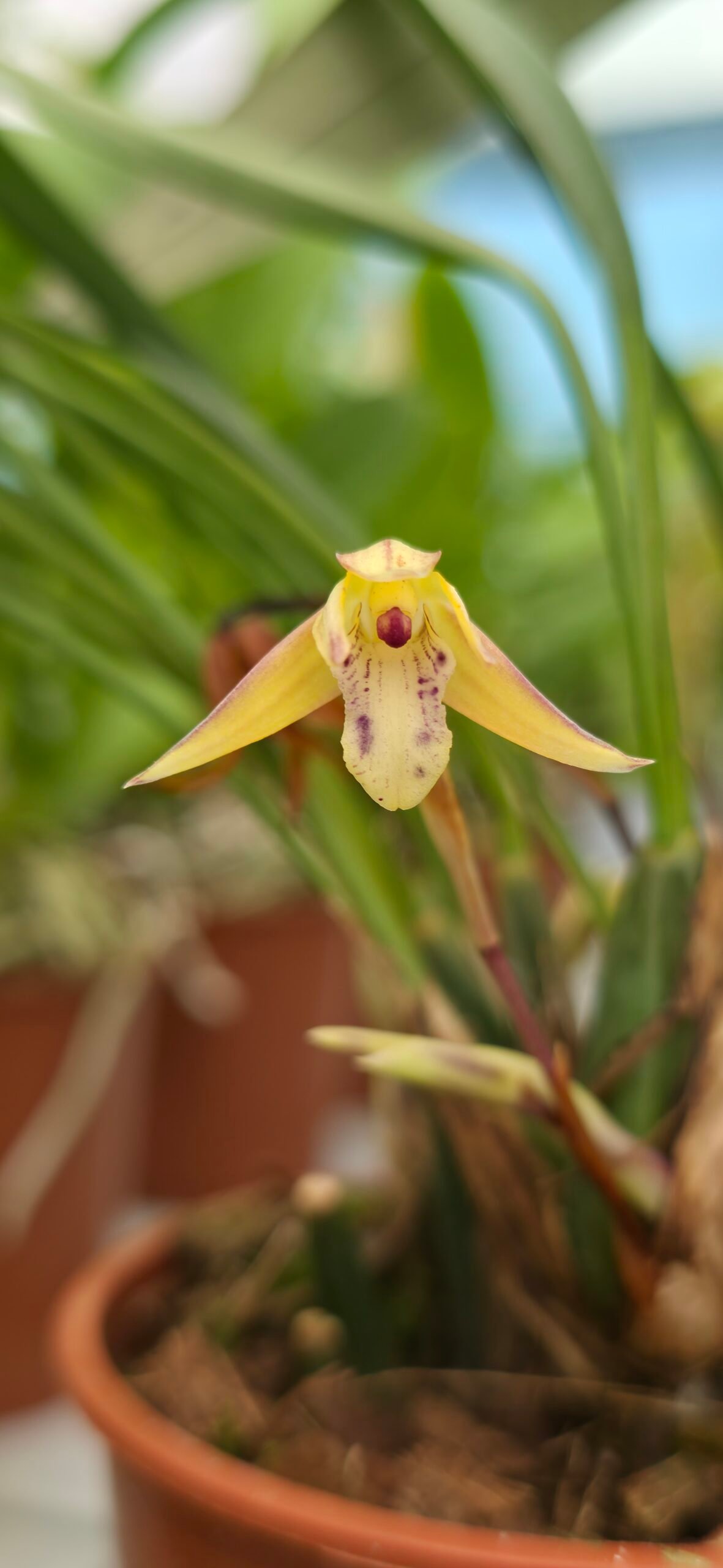
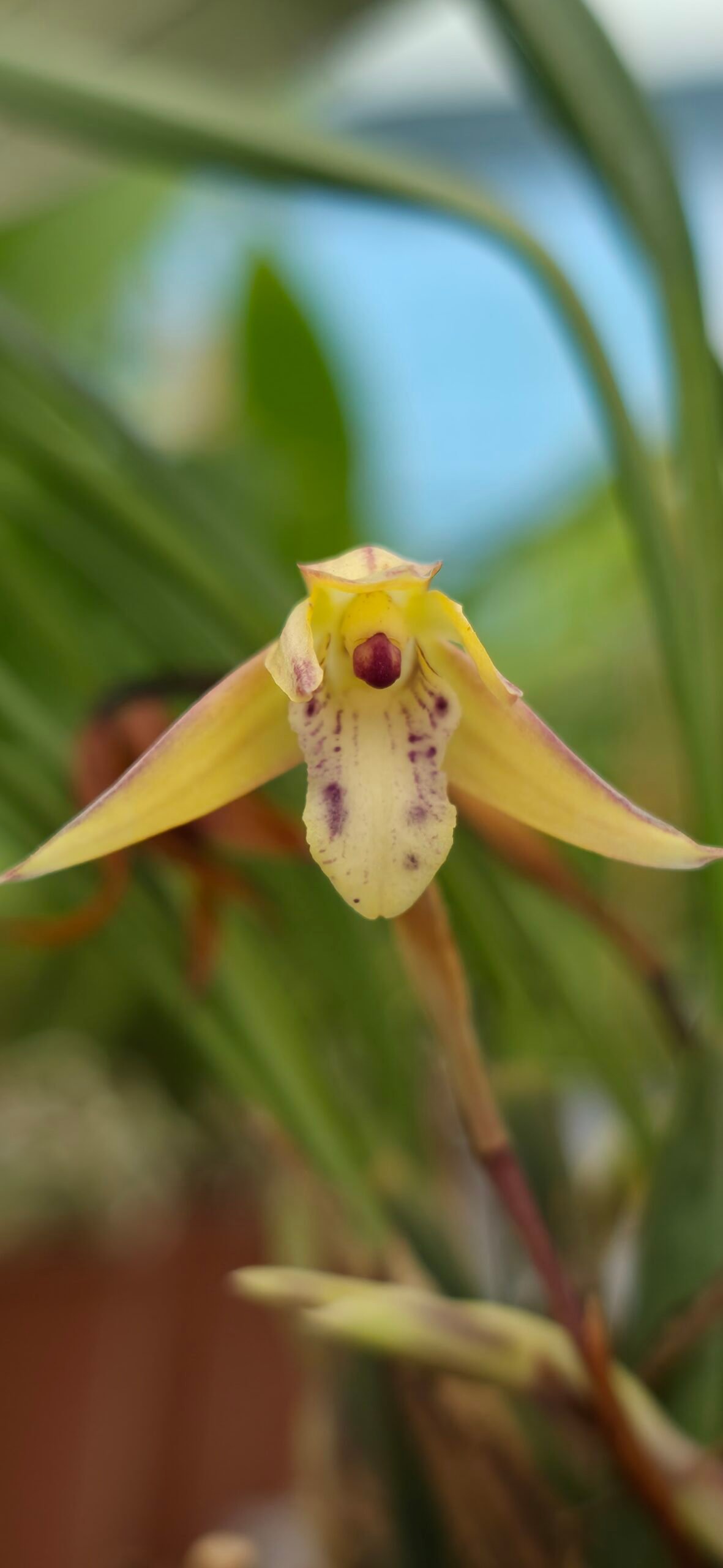
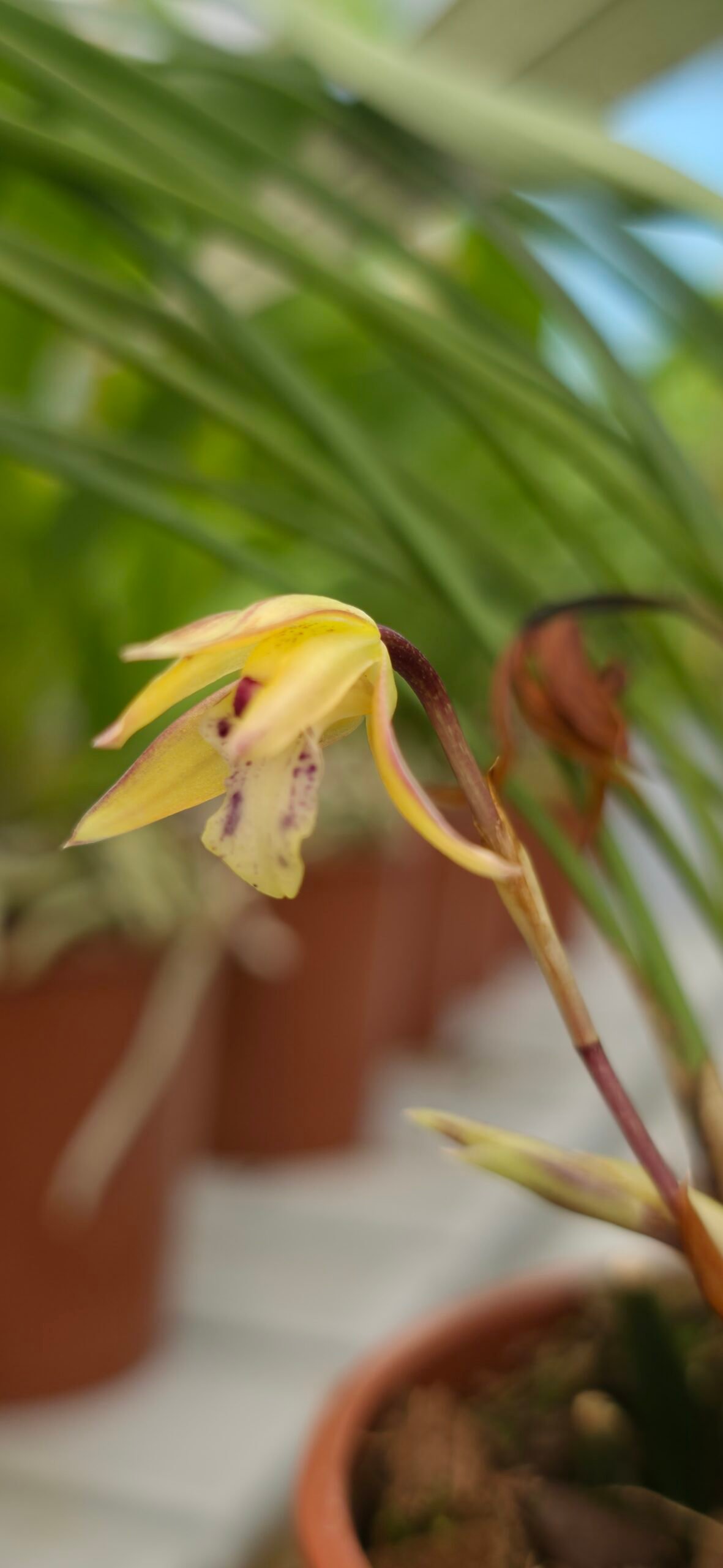
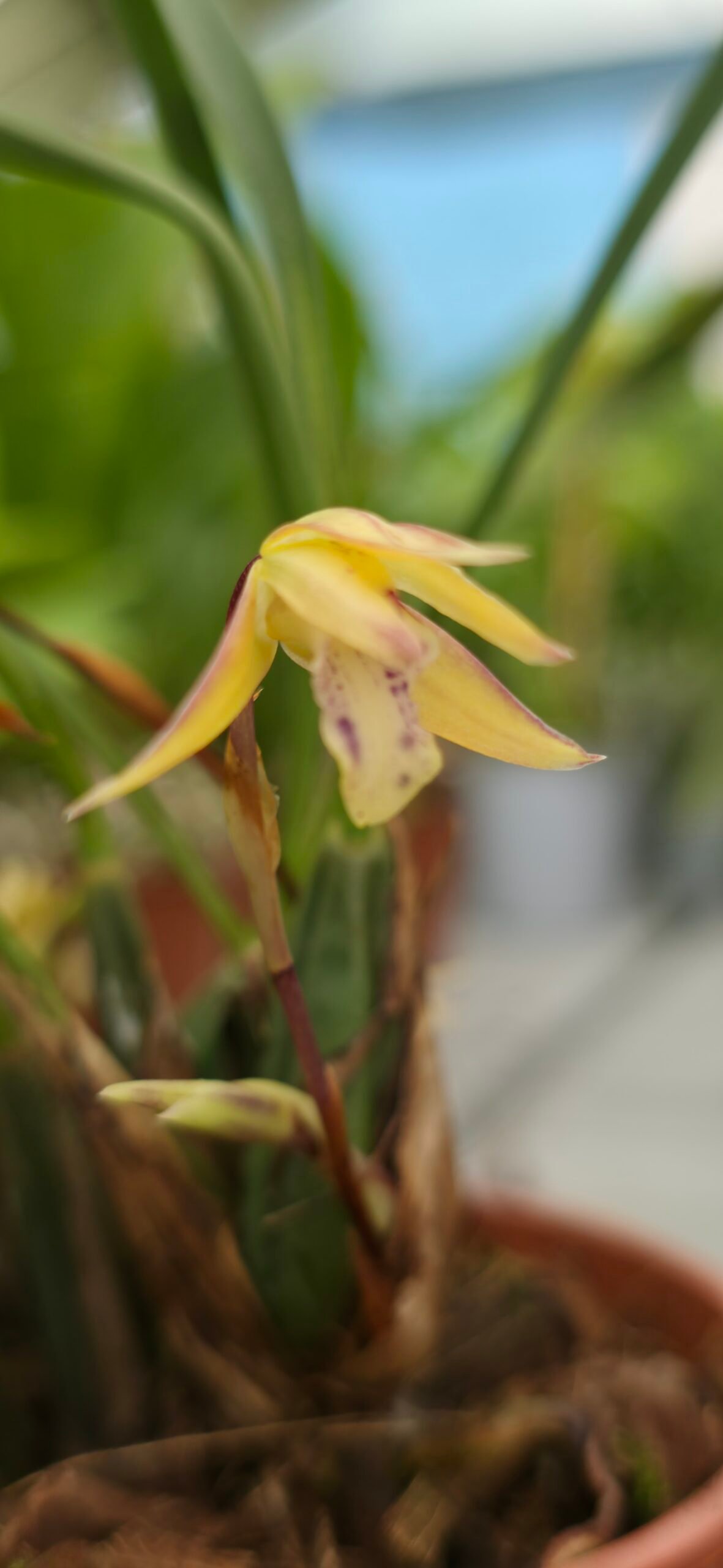
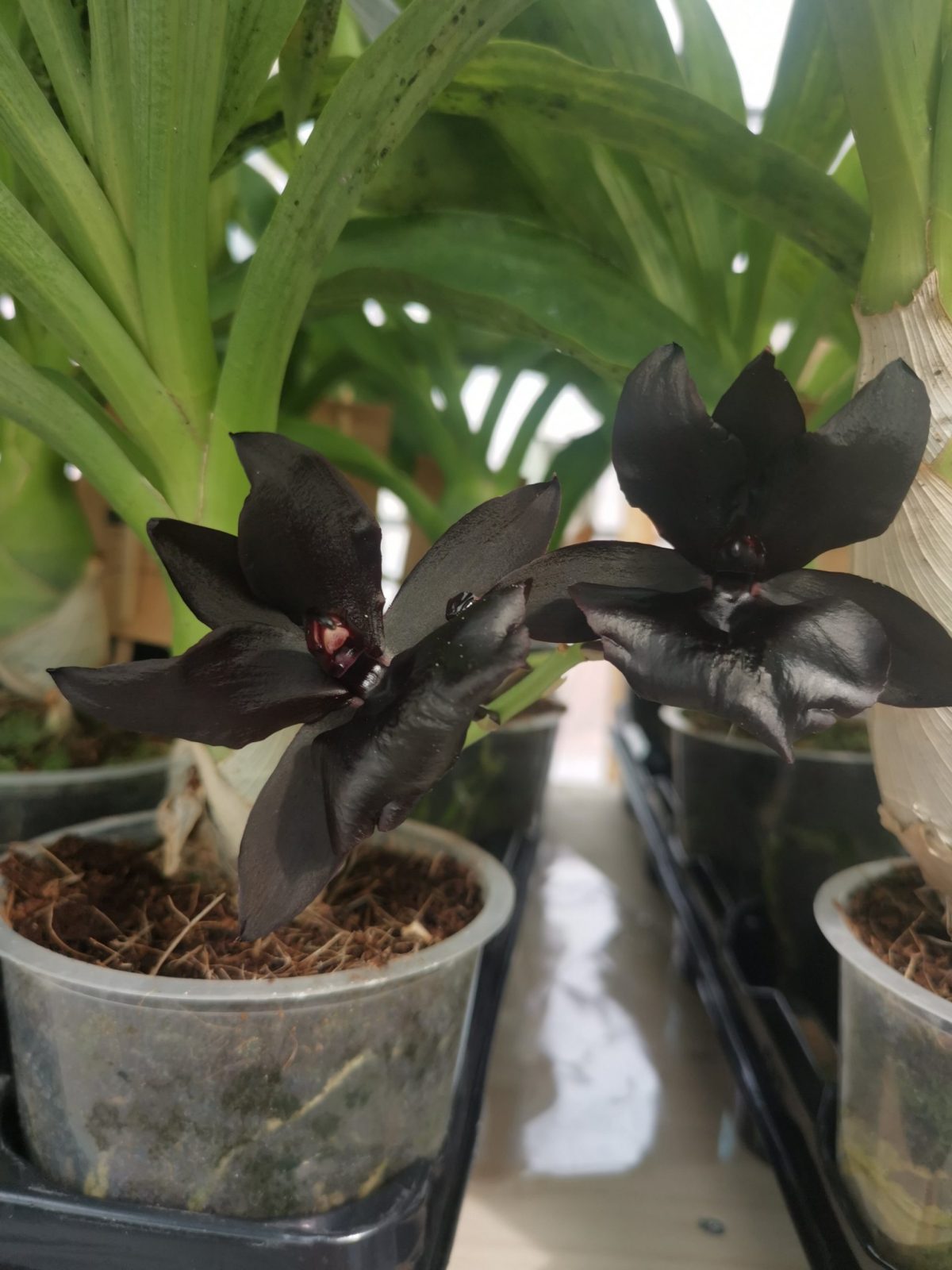
The Maxillaria cerifera is a fascinating botanical species highly coveted by collectors who appreciate rare orchids of great botanical value. Native to the humid high-altitude forests of South and Central America, this orchid stands out for its thick-textured, glossy flowers (cerifera means “wax-producing” in Latin). The Maxillaria cerifera produces solitary yellow, brown, and reddish flowers that develop at the base of the pseudobulbs, creating an exotic and unique look in the orchidarium.
In fact, the compact growth habit and elegance of its foliage make the Maxillaria cerifera an exceptional choice for greenhouses, large terrariums, or private collections. When cultivating the Maxillaria cerifera, you will have a hardy and very generous botanical orchid, capable of forming dense clumps and blooming regularly when kept in an environment with good humidity and mild temperatures.
✨ Key Features of Maxillaria cerifera
- Waxy and Long-Lasting Flowers: The flowers of the Maxillaria cerifera have a firm, waxy consistency that ensures superior longevity on the plant.
- Warm and Detailed Coloration: Features petals and sepals in shades of golden-yellow to dark reddish-brown with dark, glossy lips.
- Compact Clumping Growth: Develops ovoid, compressed pseudobulbs with erect, deep green leaves, forming very organized clumps.
- Rare Botanical Species: A valuable addition for orchid hobbyists looking to diversify their collection with uncommon native species.
🌱 Practical Growing Guide for Maxillaria cerifera
To ensure your Maxillaria cerifera grows healthy and produces abundant blooms, it is essential to simulate the cool, humid environment of its native forests. Below, we summarize all the fundamental care requirements.
1. Ideal Lighting and Location
The Maxillaria cerifera appreciates moderate to filtered light. The ideal is to maintain shading between 50% and 60%, avoiding direct sunlight during the hottest hours of the day, which could burn the leaves. It adapts very well to semi-shaded positions in the orchidarium or near well-lit east- or north-facing windows.
2. Temperature and Ventilation
This species prefers a cool to intermediate climate, ideally developing between 12°C and 26°C. It appreciates cooler nights, which stimulate vegetative development and floral induction. Ventilation should be gentle and constant to keep the air renewed without dehydrating the plant.
3. Watering and Air Humidity
Unlike other orchids that need to dry out completely, the Maxillaria cerifera prefers the substrate to remain slightly moist during the active growth phase (spring and summer). Water regularly as soon as the top layer of the substrate begins to dry. In winter, reduce frequency while maintaining background humidity. Relative air humidity should be kept high (60% to 80%).
4. Substrate and Repotting
Use a medium-to-fine grain substrate that retains moisture just right without becoming waterlogged. We recommend a mix of fine-grade pine bark, sphagnum moss, and perlite. Do not use charcoal or expanded clay in the container.
🧪 Recommended Nutrition and Fertilization
To maintain continuous clump growth and ensure the formation of strong new pseudobulbs, regular nutrition is essential. During the vegetative growth period in spring and summer, apply Orchid Focus Grow fertilizer diluted in water every two weeks. During the pre-flowering and autumn season, switch to Orchid Focus Bloom to strengthen floral development.
Explore our full range of specialized nutrition in the orchid fertilizers and plant foods section. To learn more about the genus Maxillaria and botanical species registrations, you can visit the Royal Horticultural Society (RHS).
Add the Maxillaria cerifera to your collection and discover the authentic, exotic beauty of a true botanical orchid!



Reviews
There are no reviews yet