
Description
🔴 Cymbidium Rood: The Striking Elegance of Bright Red Flowers ✨
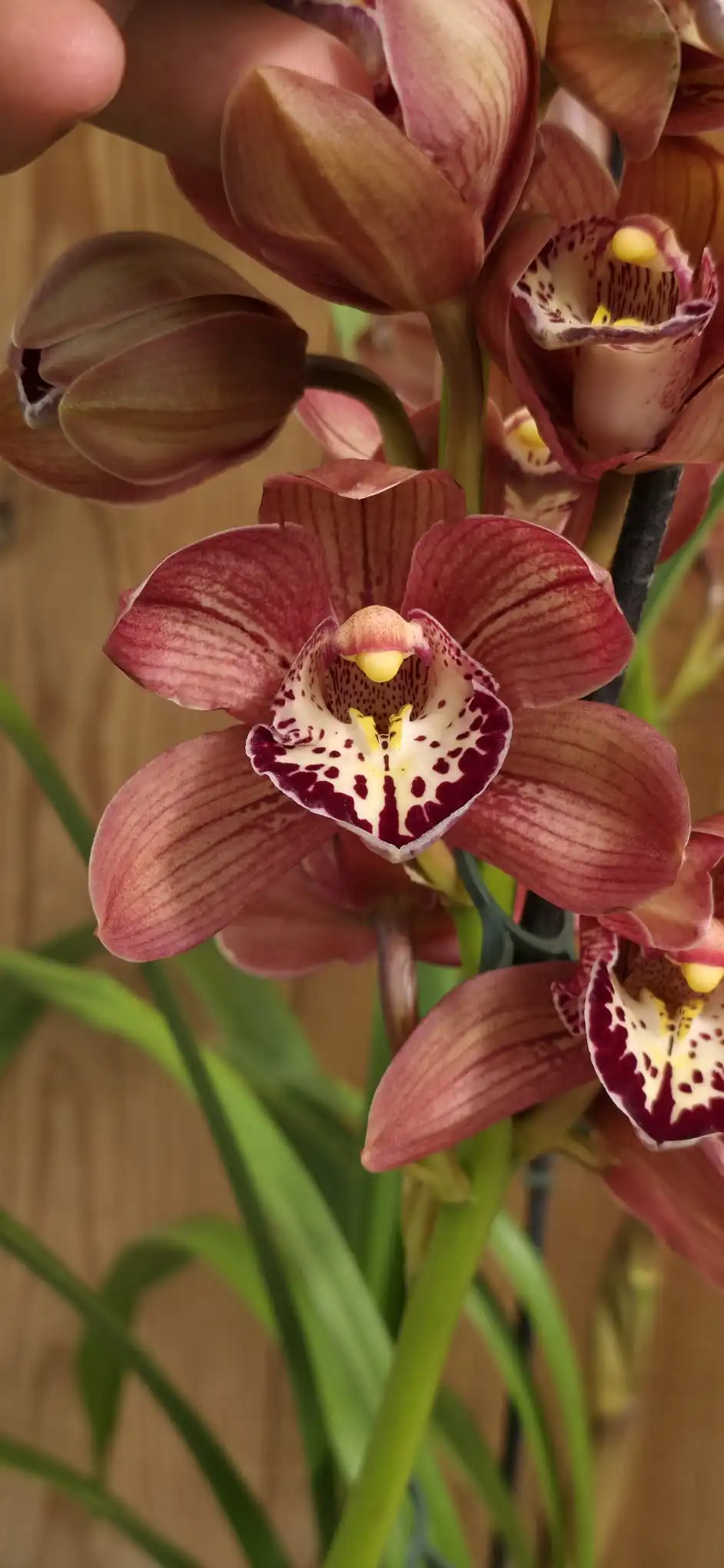
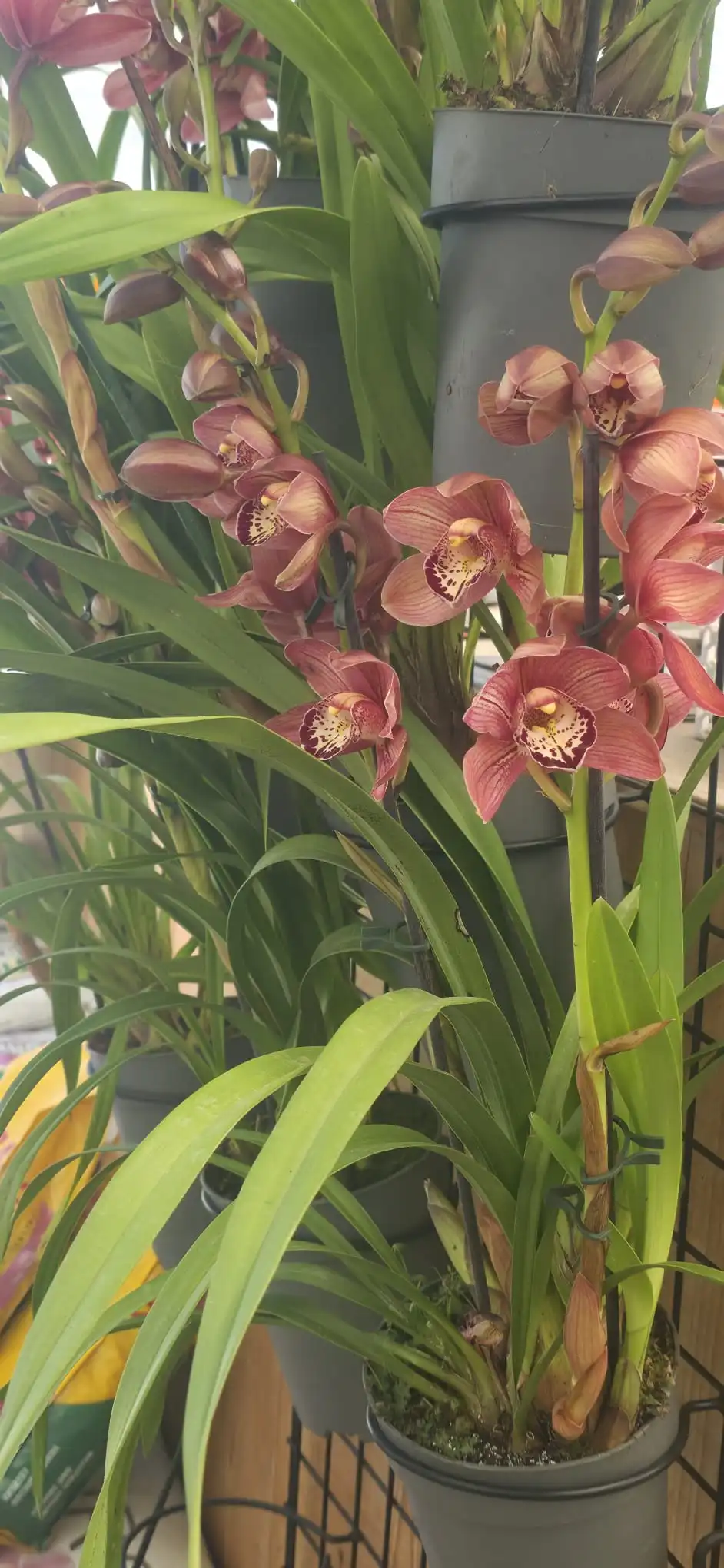
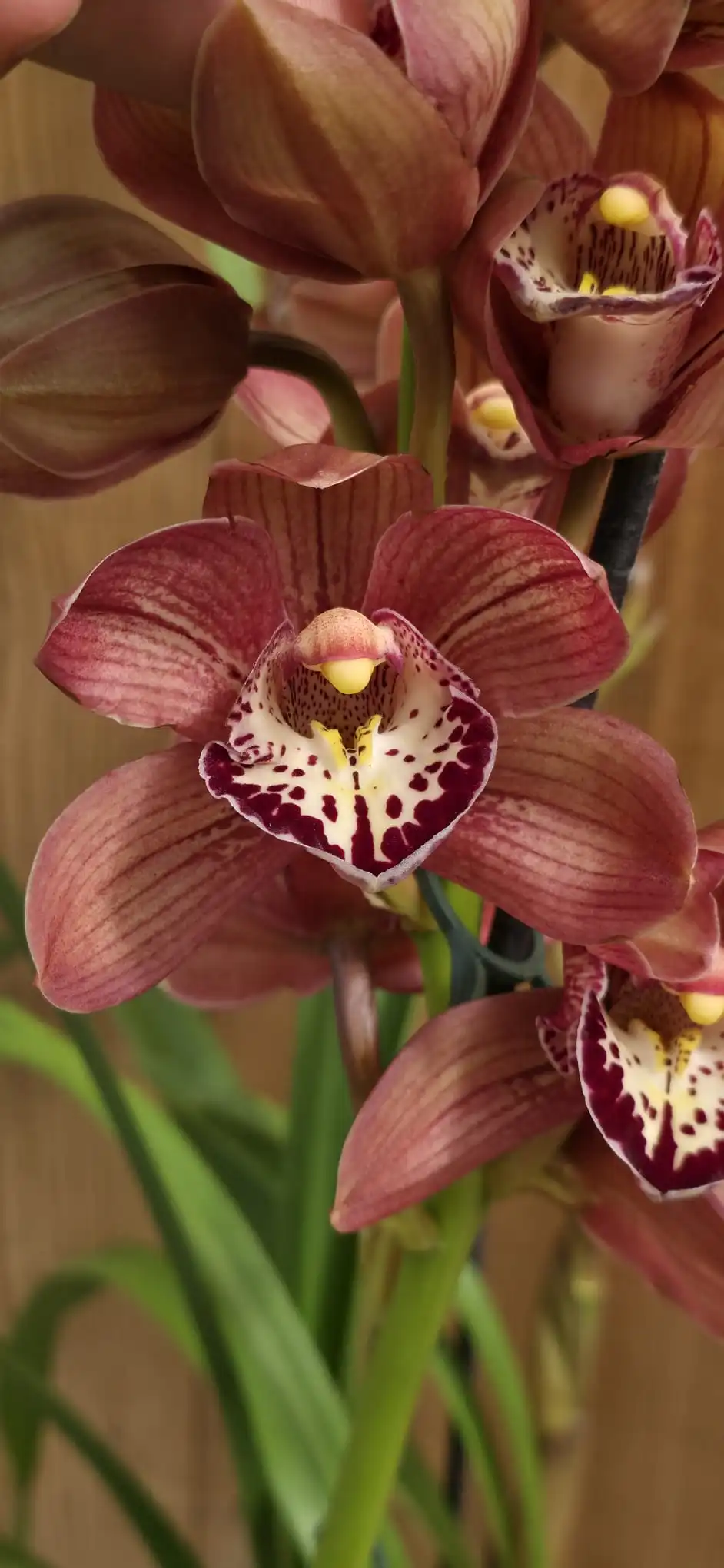
The Cymbidium Rood is an absolute standout hybrid in the world of tropical and subtropical orchids, celebrated for its impressive and deep red coloration (rood means red in Dutch). This variety was developed to offer a perfect combination of high visual impact flowers, excellent durability, and extraordinary vegetative resilience. The Cymbidium Rood produces erect and vigorous flower spikes laden with waxy flowers that maintain their vibrancy and flawless shape for many months, becoming the main focal point of any collection or winter garden.
In fact, the velvety tone and majestic presence of its spikes make the Cymbidium Rood one of the most popular choices both for pot cultivation and for use in high-end gastronomic and decorative floral arrangements. By growing the Cymbidium Rood, you will have an extremely generous orchid, capable of thriving very well in Portugal’s climate, including in protected outdoor spaces year-round, provided it receives the necessary nighttime temperature drop to induce the appearance of its flower spikes.
✨ Key Features of Cymbidium Rood
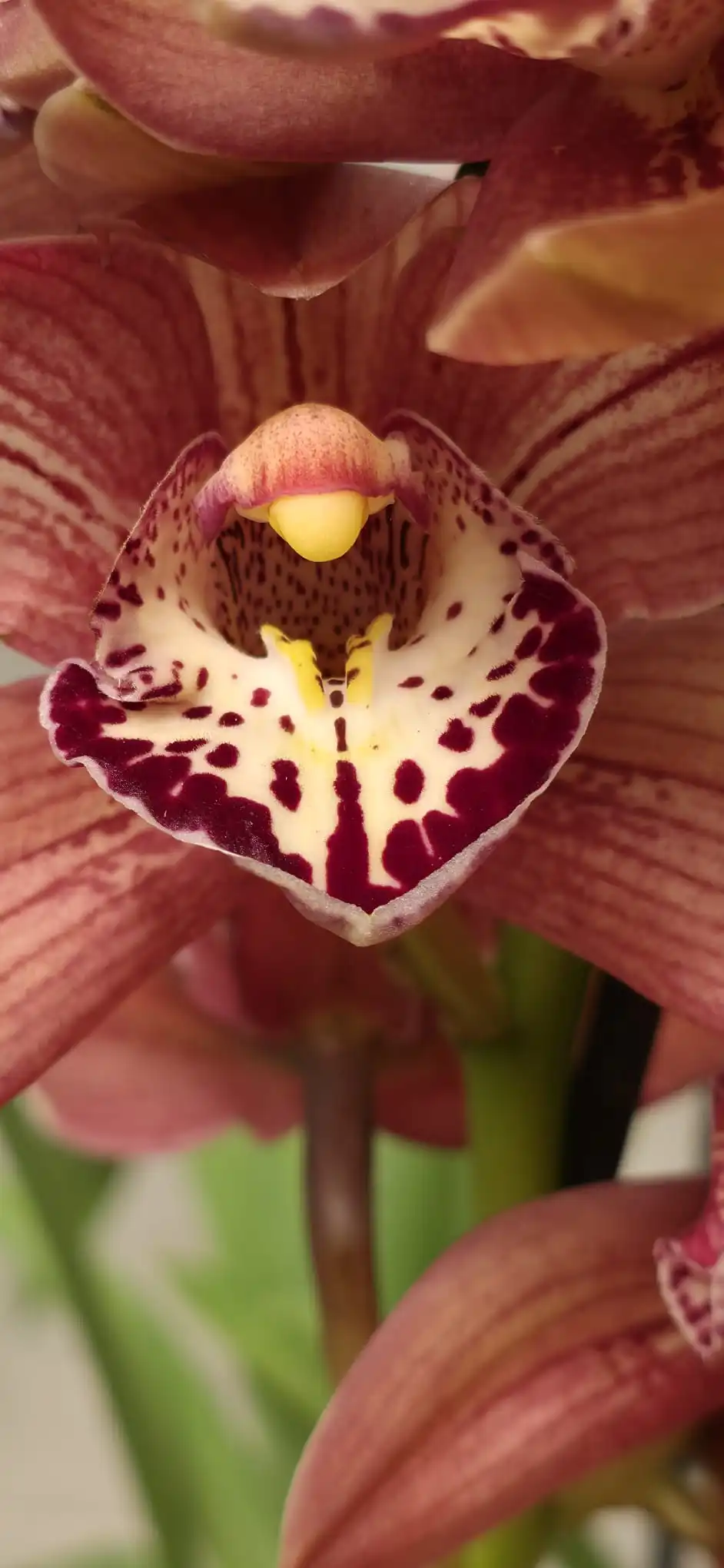
- Intense Red Flowers: The Cymbidium Rood features sepals and petals in a deep red tone with contrasting, patterned labellums, giving it a noble and sophisticated look.
- Robust and Long-Lasting Flower Spikes: The spikes grow strong and support multiple waxy flowers that remain open and fresh for up to 8 to 12 weeks.
- High Relative Cold Resistance: As is characteristic of the Cymbidium genus, it adapts perfectly to temperature variations and benefits from cool autumn nights to trigger blooming.
- Easy to Grow in Portugal: It is a robust, fast-growing plant, ideal for both beginner orchidophiles and experienced collectors.
🌱 Practical Growing Guide for Cymbidium Rood
To ensure your Cymbidium Rood develops with maximum vigor and produces spectacular flower spikes every year, it is essential to provide plenty of light, proper watering in the summer, and a cooling period in the autumn. Below, we summarize all the essential care guidelines.
1. Ideal Lighting and Location
The Cymbidium Rood requires abundant light year-round. During autumn, winter, and early spring, it can receive direct sunlight during the mildest hours. In summer, it should be protected with light shade (30% to 40%) to prevent leaf burn. Leaves in a light dough-green or light lettuce-green shade indicate that the plant is receiving the correct amount of light to bloom.
2. Temperature and Bloom Induction
This orchid prefers temperatures between 10°C and 28°C. The big secret to making the Cymbidium Rood bloom is ensuring a temperature range between day and night during late summer and autumn: a drop to values between 10°C and 14°C at night is the natural trigger that stimulates the formation of new flower spikes.
3. Watering and Air Humidity
During the active growth phase (spring and summer), the Cymbidium Rood consumes quite a bit of water. Water abundantly to keep the substrate slightly moist, but never soggy. In winter, when the plant reduces its growth rate, decrease watering frequency, allowing the substrate to dry slightly between applications.
4. Substrate and Repotting
Use a substrate for terrestrial/epiphytic orchids that offers excellent moisture retention while providing perfect drainage. The ideal mixture should contain medium-grade pine bark, perlite, and a touch of sphagnum moss to keep the roots fresh without compressing the root system.
🧪 Recommended Nutrition and Fertilization
Being a very vigorous orchid with a large foliage mass, constant nutrition is essential to prepare the pseudobulbs for flowering. For the growth and development phase of new shoots, we recommend using the specialized fertilizer Orchid Focus Grow. When the plant reaches maturity in late summer and prepares to issue spikes, switch to Orchid Focus Bloom, formulated to promote larger flowers and more intense colors.
Discover these and other nutritional products in our complete range of orchid fertilizers and foliar nutrients. For additional information on the classification and hybrid registrations of the Cymbidium family, you can consult the Royal Horticultural Society (RHS).
Add the Cymbidium Rood to your collection and enjoy the unique and passionate spectacle of its red blooms!




Reviews
There are no reviews yet