Natural Forms
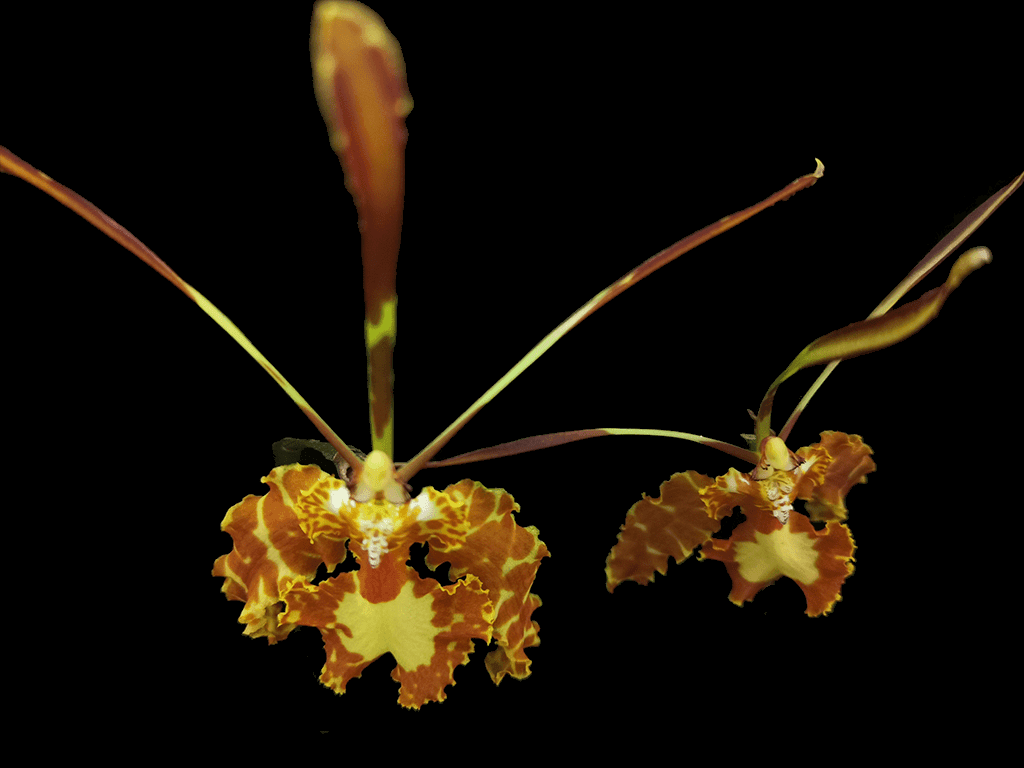
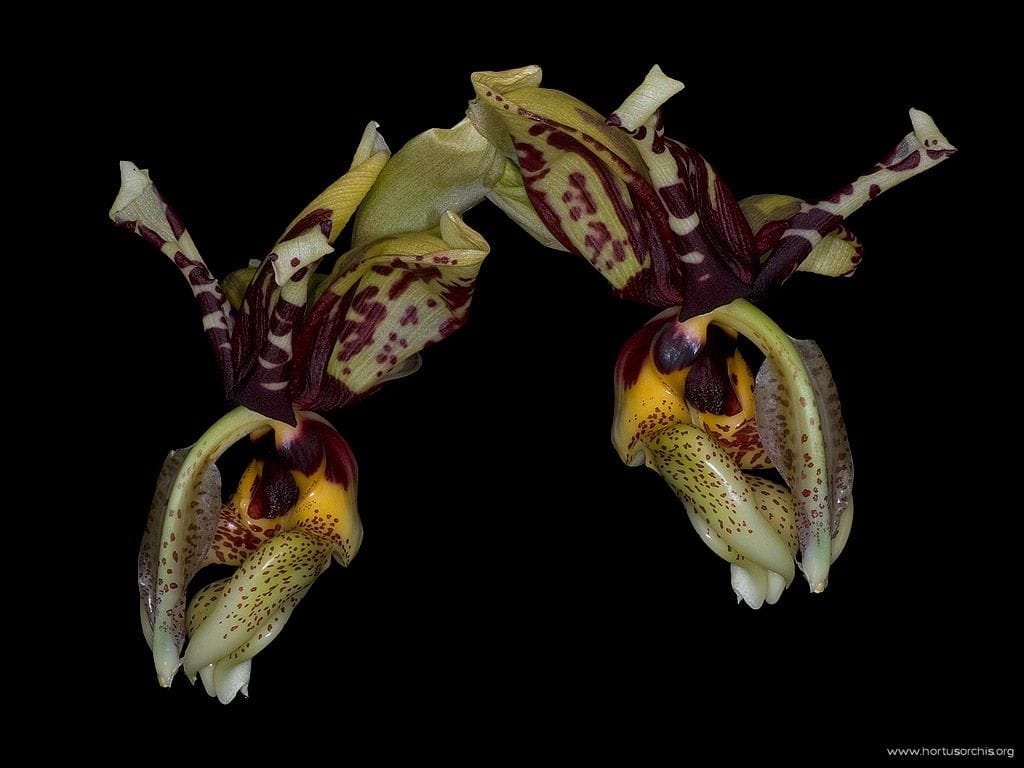
Stanhopea nigroviolacea x tigrina€22.00

Talk to us to find out when it is back, or let us suggest an alternative.
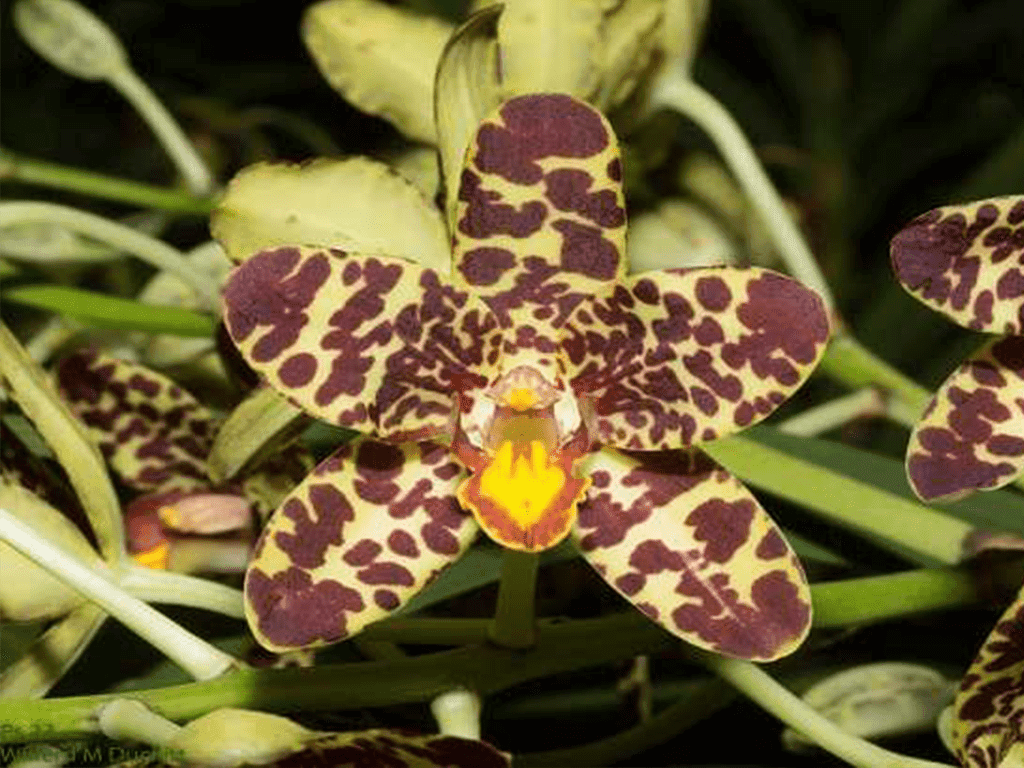
The Ansellia africana is the only recognised species of the monotypic botanical genus Ansellia. Native to the tropical and subtropical regions of Sub-Saharan Africa, this large orchid is widely known in botanical circles and among collectors as the Leopard Orchid, thanks to the mesmerising pattern of its yellow flowers covered in spots and blotches in dark brown or wine-red tones.
In the wild, Ansellia africana grows predominantly as an epiphyte on the branches of large trees exposed to intense light, developing bulky, vigorous clumps. One of its most fascinating anatomical features is the formation of a dense network of "apical aerial roots" in an upward-facing basket shape. This natural mechanism allows the plant to catch dry leaves, organic debris and dust carried by the wind, creating its own natural reservoir of nutrients.
Despite its exotic appearance, Ansellia africana is an adaptable and easy-care plant, as long as its basic needs for light and ventilation are met.
Ansellia africana needs very bright light to thrive and to induce flowering. It enjoys direct sunlight in the early morning or late afternoon. If grown indoors, place it next to a south- or east-facing window. The foliage should be a slightly yellowish light green; leaves in a deep dark green indicate a lack of light and may compromise future flowering.
Being native to African habitats, it ideally grows in warm to moderate temperatures (between 18°C and 32°C during the day). It tolerates higher temperatures in summer, provided they are accompanied by good humidity and air circulation. In winter, it withstands drops in temperature down to 10°C, as long as the substrate is kept completely dry.
During the active growth period (spring and summer), Ansellia africana enjoys generous and frequent watering, allowing the substrate to dry slightly between waterings. In autumn and winter, when the plant enters its dormant period, watering should be drastically reduced and spaced well apart to prevent root rot and to simulate the dry season of its natural habitat.
Due to its strong, aerial root system, Ansellia africana requires a growing medium with impeccable drainage and excellent aeration. The ideal mix includes medium to coarse pine bark and coconut fibre. It can be grown in plastic pots with additional drainage holes, hanging wooden baskets or unglazed clay pots.
To support the rapid development of its long pseudobulbs and ensure well-laden flower spikes, regular feeding is essential during the vegetative growth phase.
In spring and summer, apply Orchid Focus Grow fertiliser every two weeks to encourage the growth of strong new canes and healthy roots. Once the canes have matured in late summer, switch to Orchid Focus Bloom to promote the emergence and strengthening of the flower spikes.
Browse our wide selection of plant nutrition products in the orchid fertilisers section. For more taxonomic and geographical distribution information about the species, consult the Plants of the World Online (Kew Science) database.
Add the legendary Ansellia africana to your collection and be amazed by the strength and beauty of African botanical wildlife in your own home!
News from our greenhouse in Fernão Ferro, for people who grow with passion.
By subscribing, you accept our Privacy policy. You can unsubscribe at any time.