Bulbophyllum
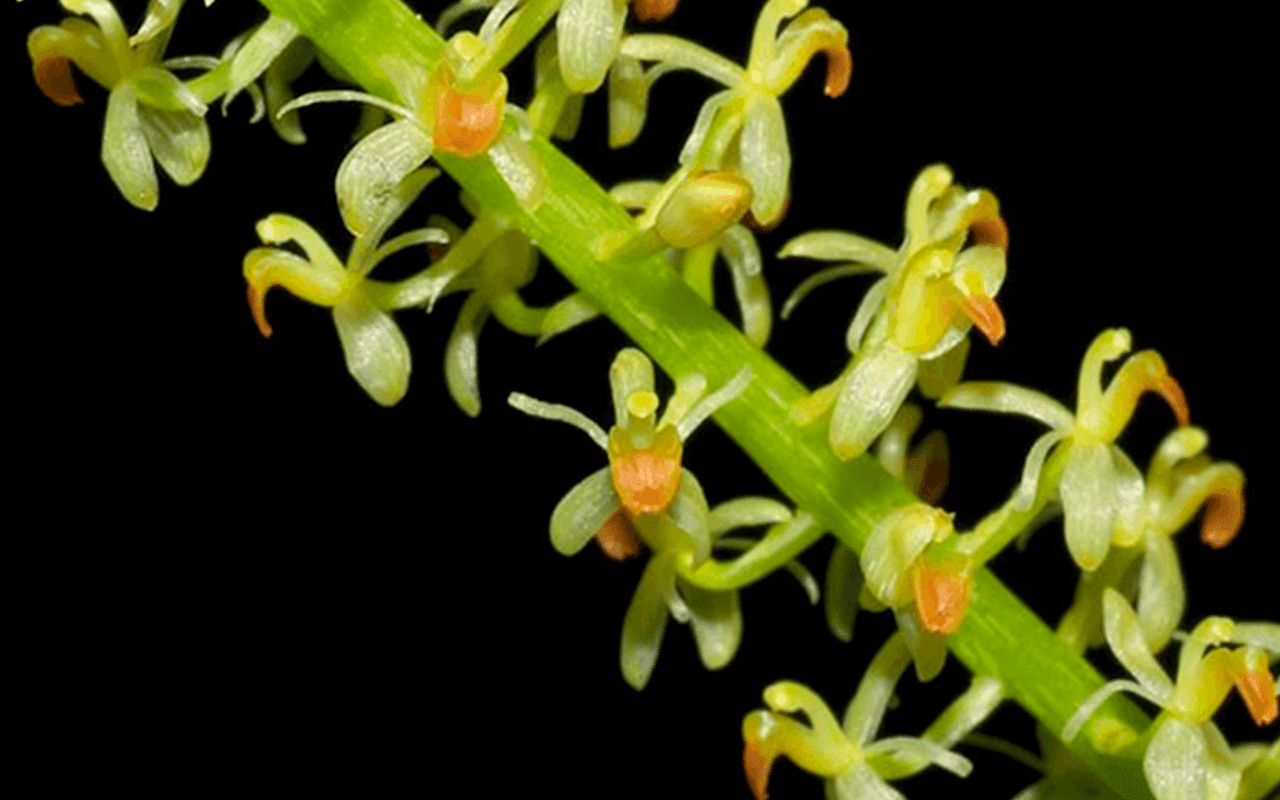
Bulbophyllum falcatum€22.00

Talk to us to find out when it is back, or let us suggest an alternative.
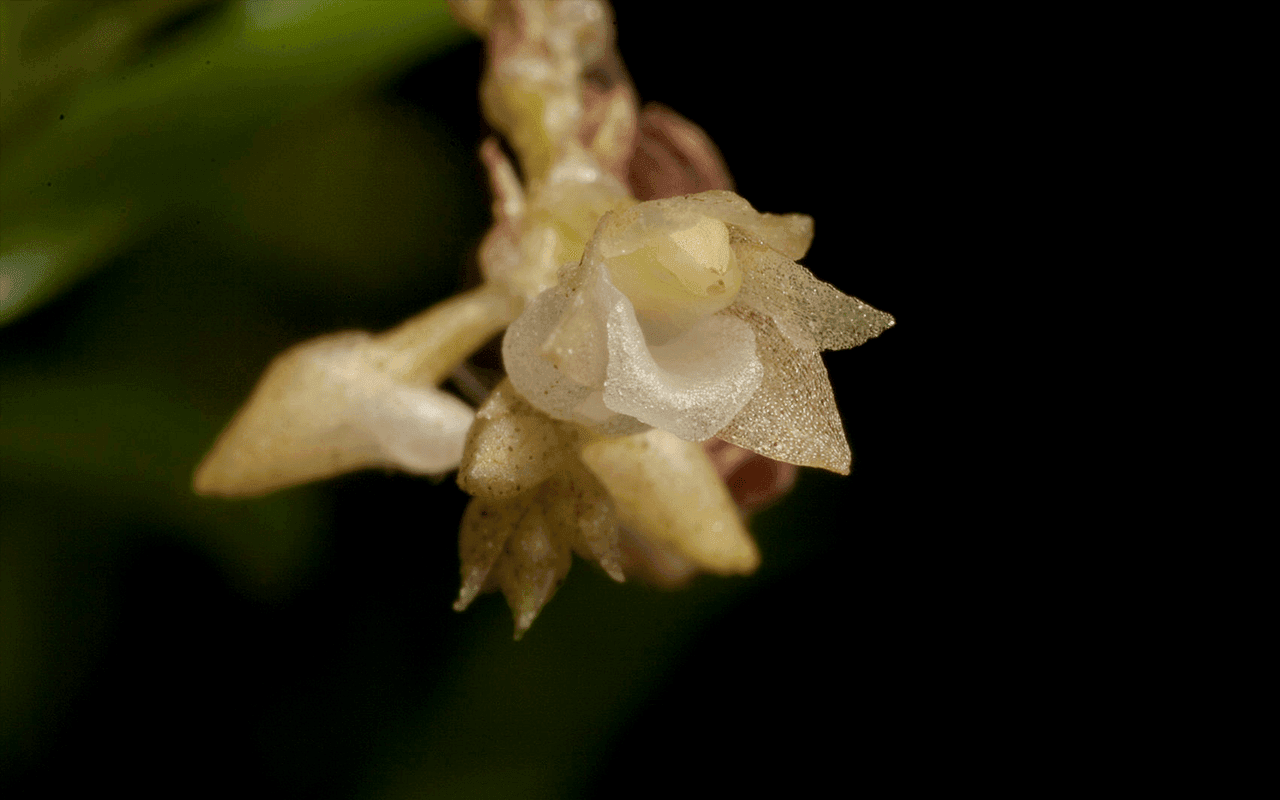
Found in Thailand, Cambodia, Vietnam and Sumatra on sheer cliff faces or densely shaded mossy trees, at altitudes of 450 to 1400 metres, as a small-growing epiphyte or lithophyte thriving from warm to cool conditions, with unbranched climbing stems completely enveloped by leaf sheaths, bearing numerous linear-lanceolate, slightly obtuse and almost equally bidentate, mucronate, distichous leaves all in one plane, which flower on a very short 0.8 "[2 cm] length, with 1 to 3 inflorescences of small flowers
The information below should be used only as a guide and adapted to suit you. Your physical location, where you grow your plants, how much time you have to devote to their care and many other factors must be taken into consideration. Only then can you decide on the cultivation methods most suitable for you and your plants.
Morning direct sun is greatly appreciated, but during the middle of the day it should be lightly shaded.
Ideal temperatures are 20-24 ° C during the day and 15-18 ° C at night in summer, and 22-26 ° C during the day and 18-21 ° C at night in winter.
If grown in a pot, 55-60% is sufficient. If they are bare-root specimens, the minimum required is 65%.
Watering:
This species receives water regularly throughout the year. Watering takes place when the substrate is completely dry, but care should be taken not to leave the plant dry for more than a day.
Bare-root specimens are watered daily; on the hottest days the orchid may need two waterings.
Remember, however, that the roots should dry out before nightfall. It is also important to avoid water stagnating in the leaf axils.
This orchid is fertilised every 3 waterings (but no more than once a week), using 1/2 of the dose indicated on the bottle of a special liquid orchid fertiliser.
Before fertilising the plant, it is necessary to water it to avoid harmful contact of the fertiliser with dry roots.
It does not need a rest period. These conditions should be maintained throughout the year. The plant may flower in any season.
News from our greenhouse in Fernão Ferro, for people who grow with passion.
By subscribing, you accept our Privacy policy. You can unsubscribe at any time.