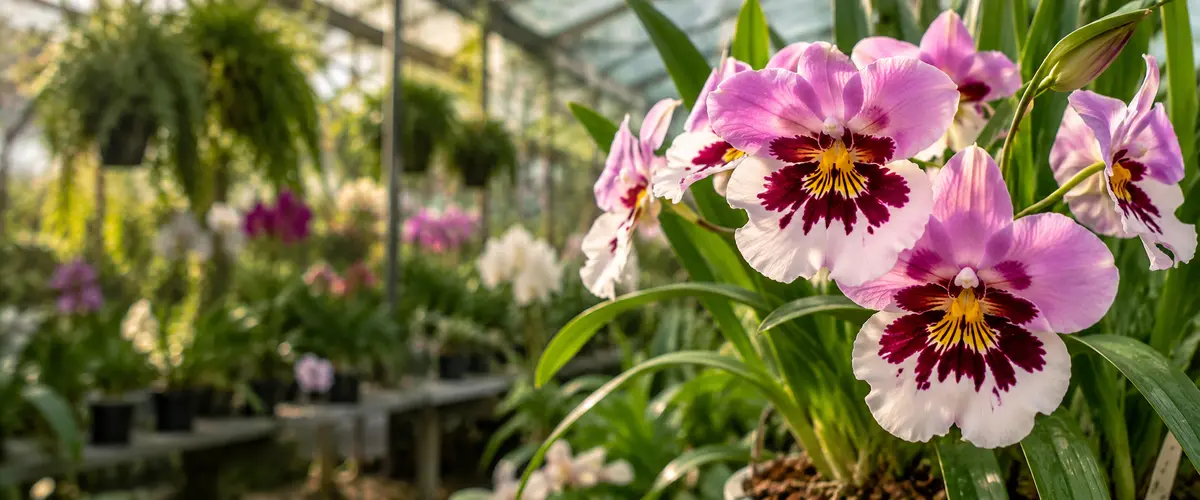
Cattleya Dupreana: A Classic of Orchid Growing
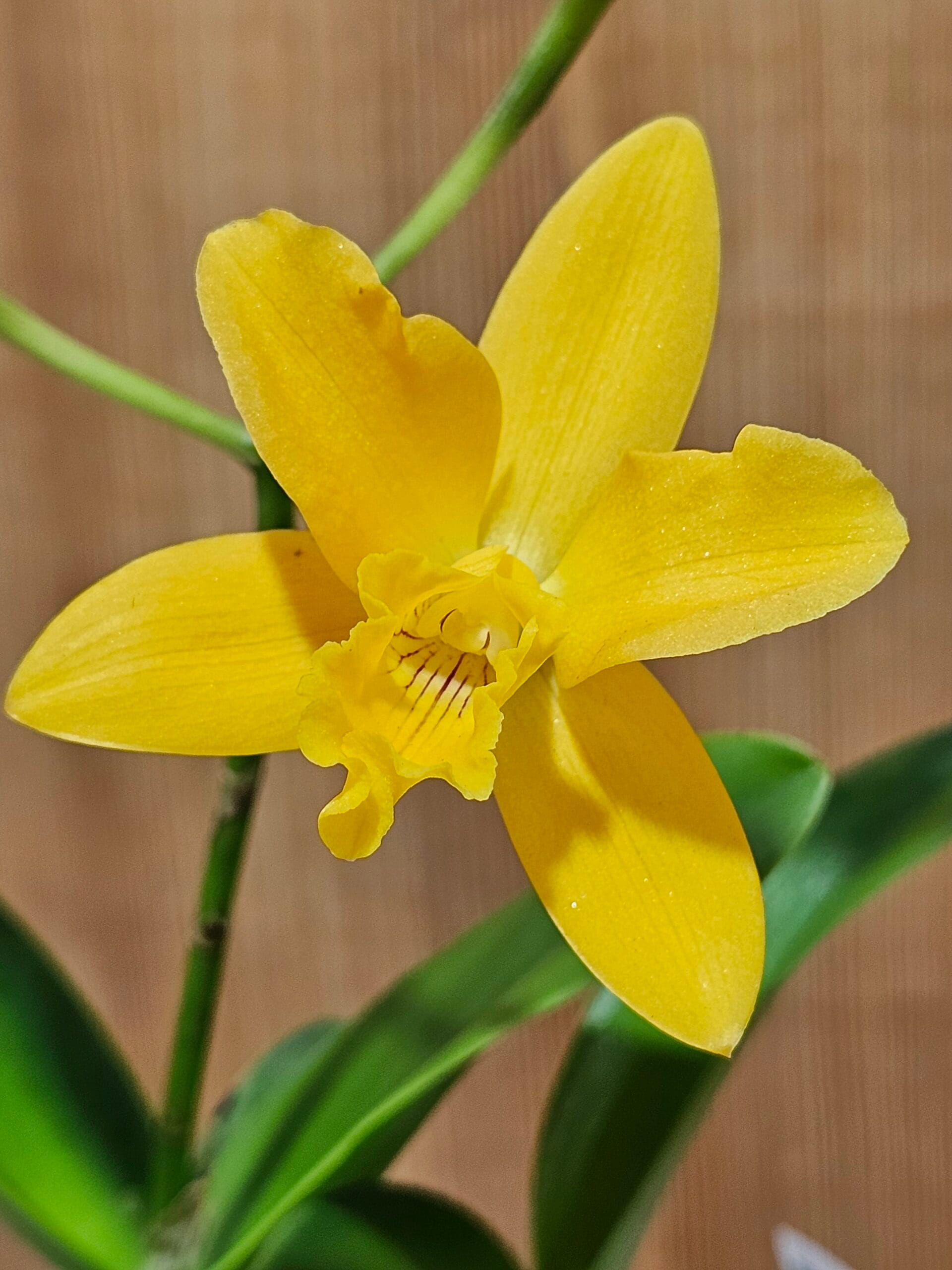
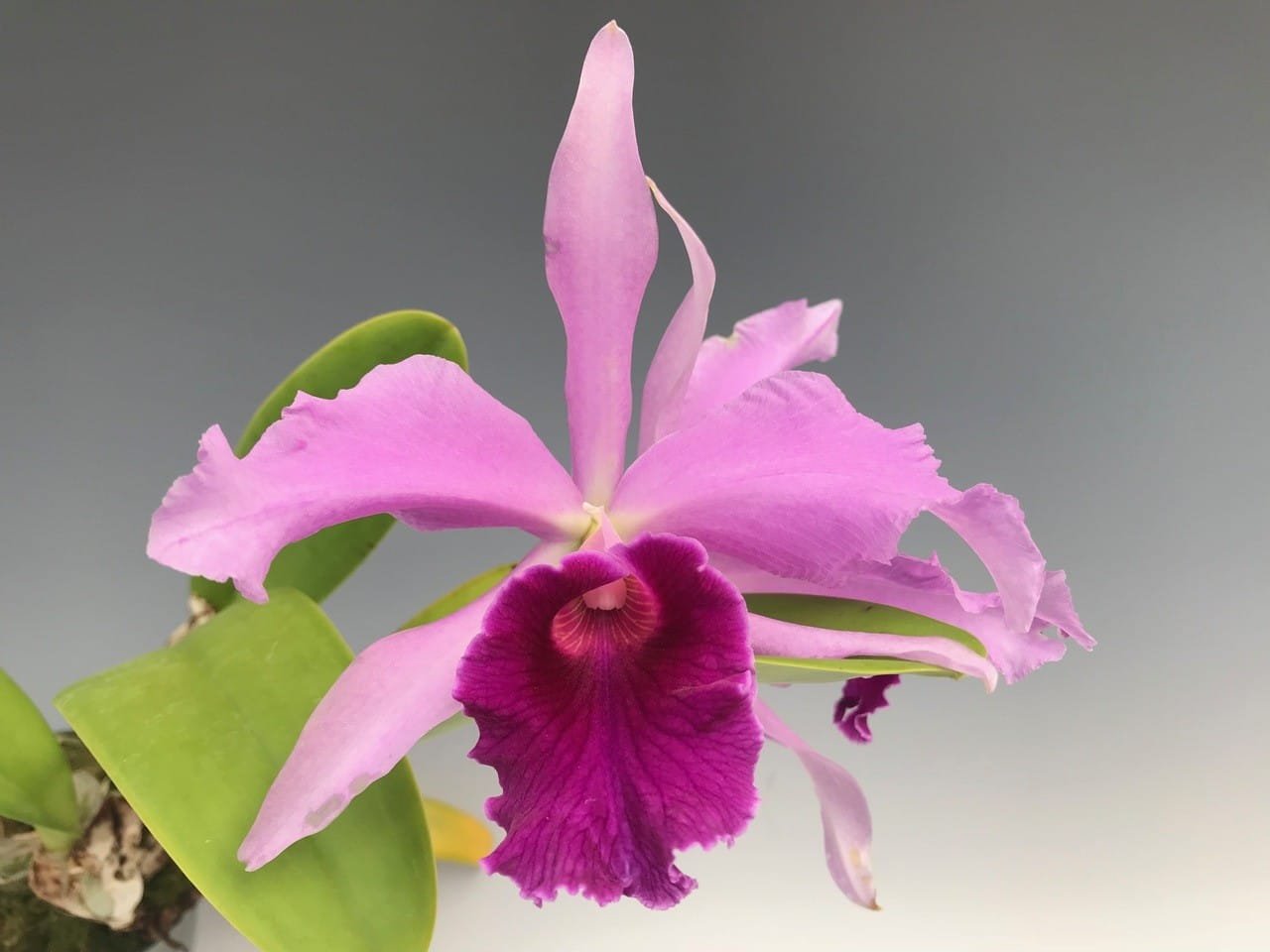
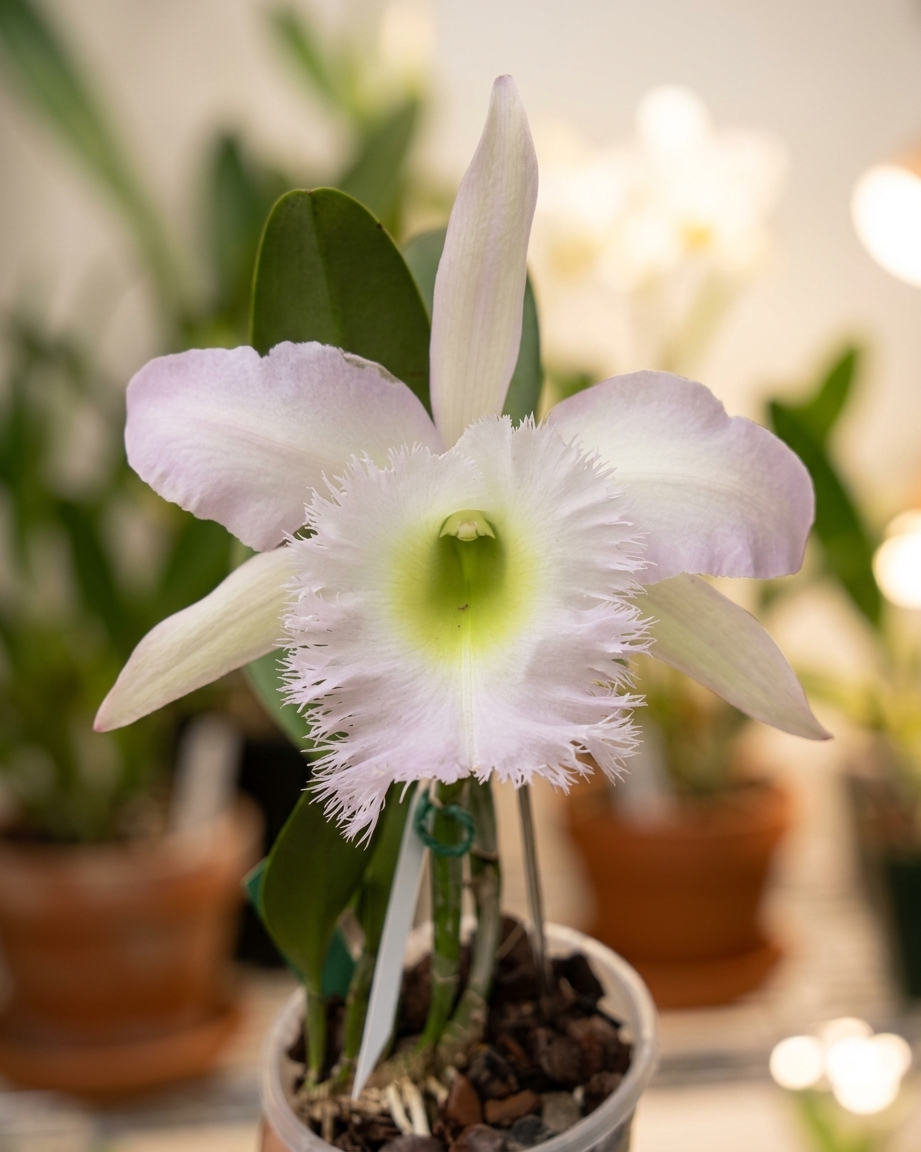
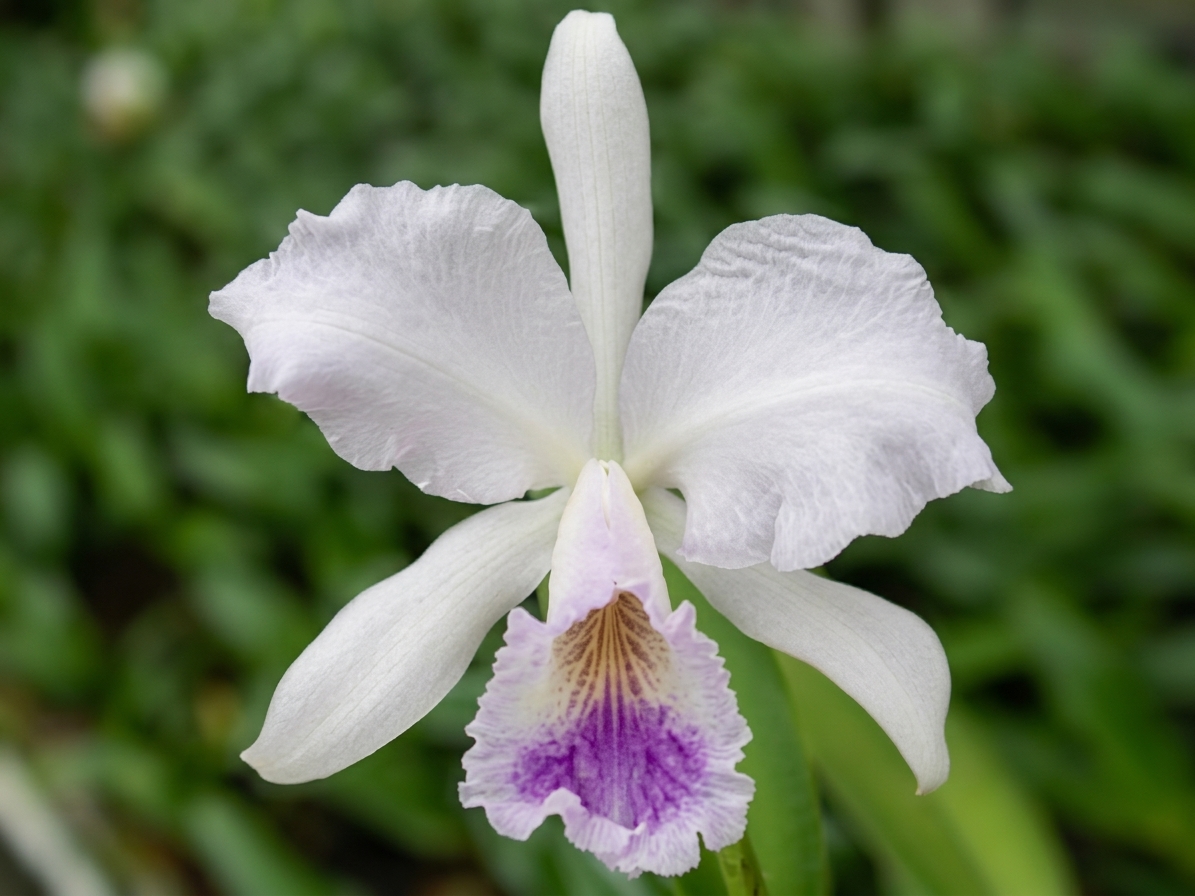
Cattleya Dupreana is a classic Cattleya hybrid, the result of crossing Cattleya warneri and Cattleya warscewiczii. This hybrid is highly prized for its ornamental qualities and its resilience.
Key Features:
- Elegant Flowers: The flowers of Cattleya Dupreana are generally large and showy, in a wide range of colours, including shades of pink, purple, lilac and white.
- Robust Pseudobulbs: It has well-developed pseudobulbs that store water and nutrients, helping the plant withstand dry periods.
- Growth Habit: It is an epiphytic orchid, meaning it grows on other plants, using them for support.
Growing Cattleya Dupreana:
- Light: Prefers bright, indirect light. Avoid direct sun, especially during the hottest hours of the day.
- Temperature: Prefers mild to warm temperatures, with a difference between day and night of around 5-10°C.
- Humidity: High humidity is beneficial, but avoid waterlogging. Maintain relative humidity between 60-70%.
- Watering: Water regularly, allowing the substrate to dry slightly between waterings. Avoid waterlogging the substrate, as this can lead to root rot.
- Substrate: Use a free-draining substrate specific to epiphytic orchids, such as a mix of pine bark, charcoal and sphagnum moss.
- Feeding: Feed monthly during the growing period with a balanced orchid fertiliser, diluted to half strength.
- Repotting: Repot every 2-3 years, or when the substrate has broken down or the roots are filling the entire pot.
Additional Care:
- Ventilation: Ensure good air circulation to prevent fungal diseases.
- Pests and Diseases: Watch out for pests such as scale insects and aphids. Treat any problem promptly.
A Classic of Orchid Growing
Cattleya Dupreana is a classic hybrid and highly prized by orchid collectors. With proper care, this plant can flower profusely, bringing beauty and elegance to your home.
Notes:
- Varieties: There are several varieties of Cattleya Dupreana, with variations in flower colour and shape.
- Flowering: Flowering generally occurs in spring or summer, but can vary depending on growing conditions.