Cattleya Peckhaviensis: A Classic of Hybridisation
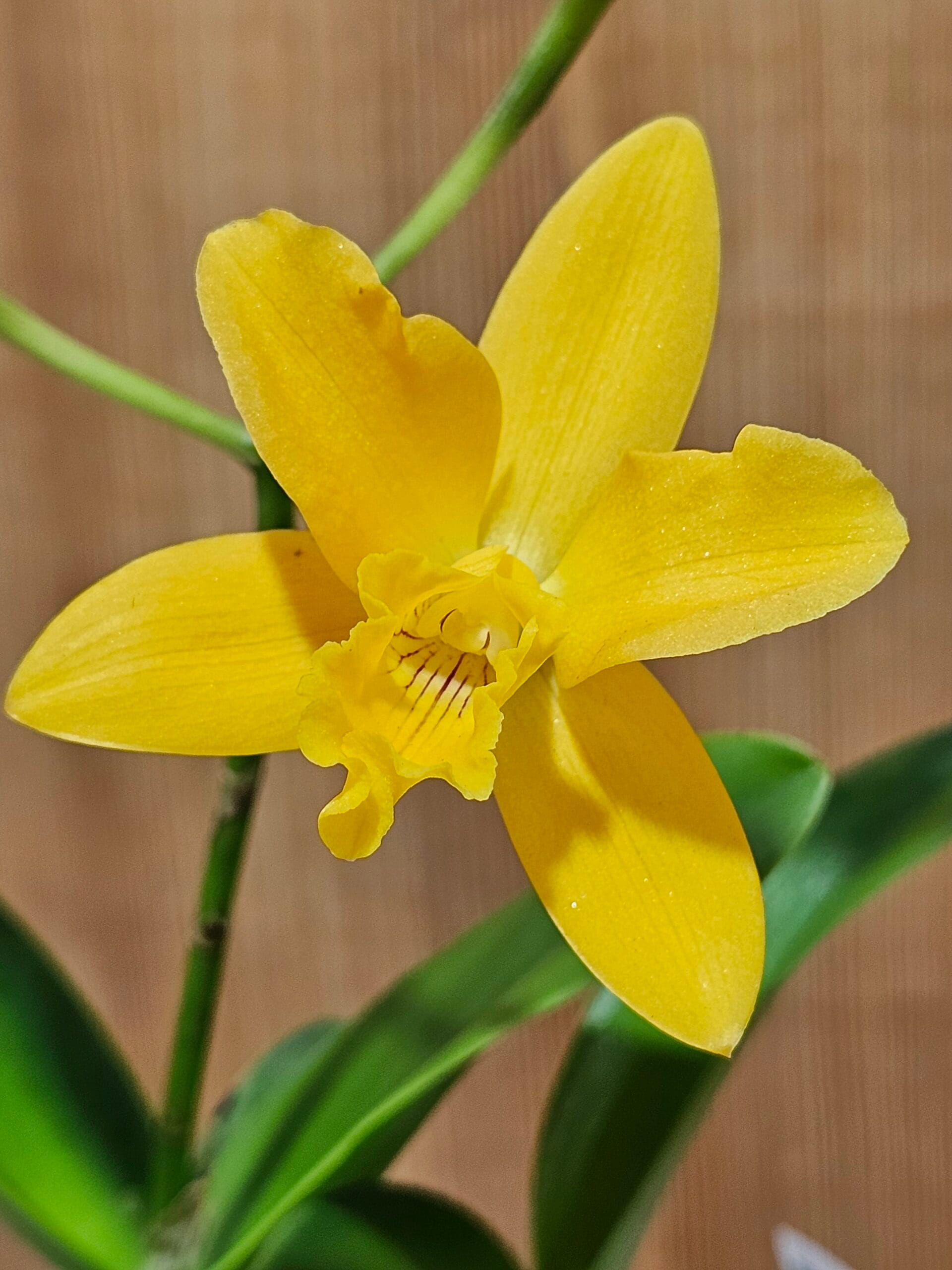
Cattleya Peckhaviensis is a primary hybrid of Cattleya, resulting from the cross between Cattleya aclandiae and Cattleya schilleriana. Created in 1910, this hybrid has a long history and remains prized by orchid collectors.
Key Features:
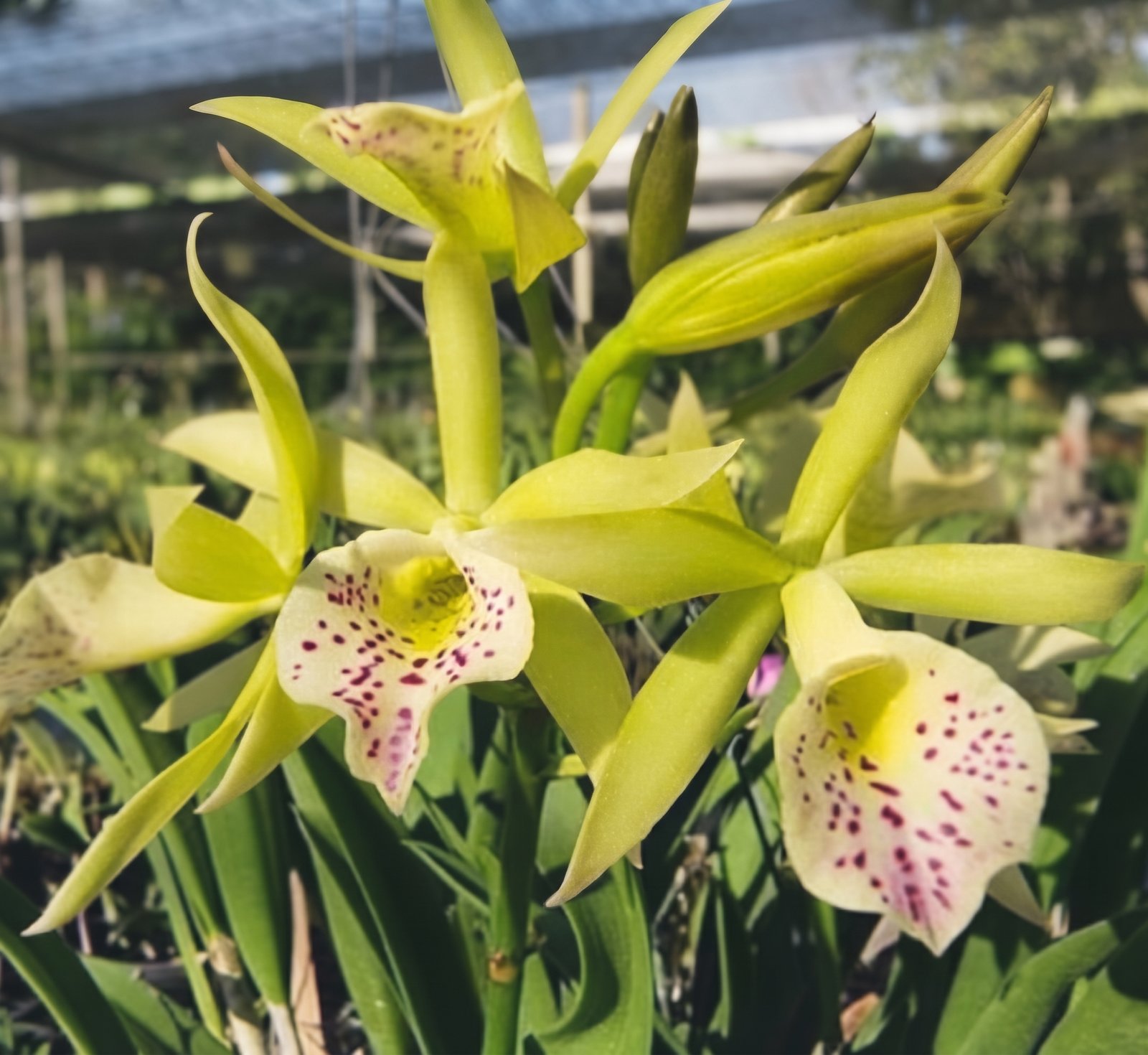
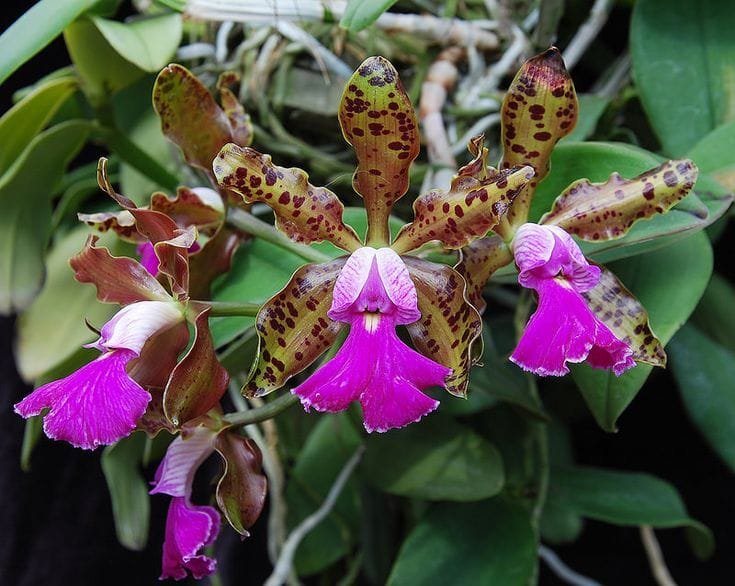
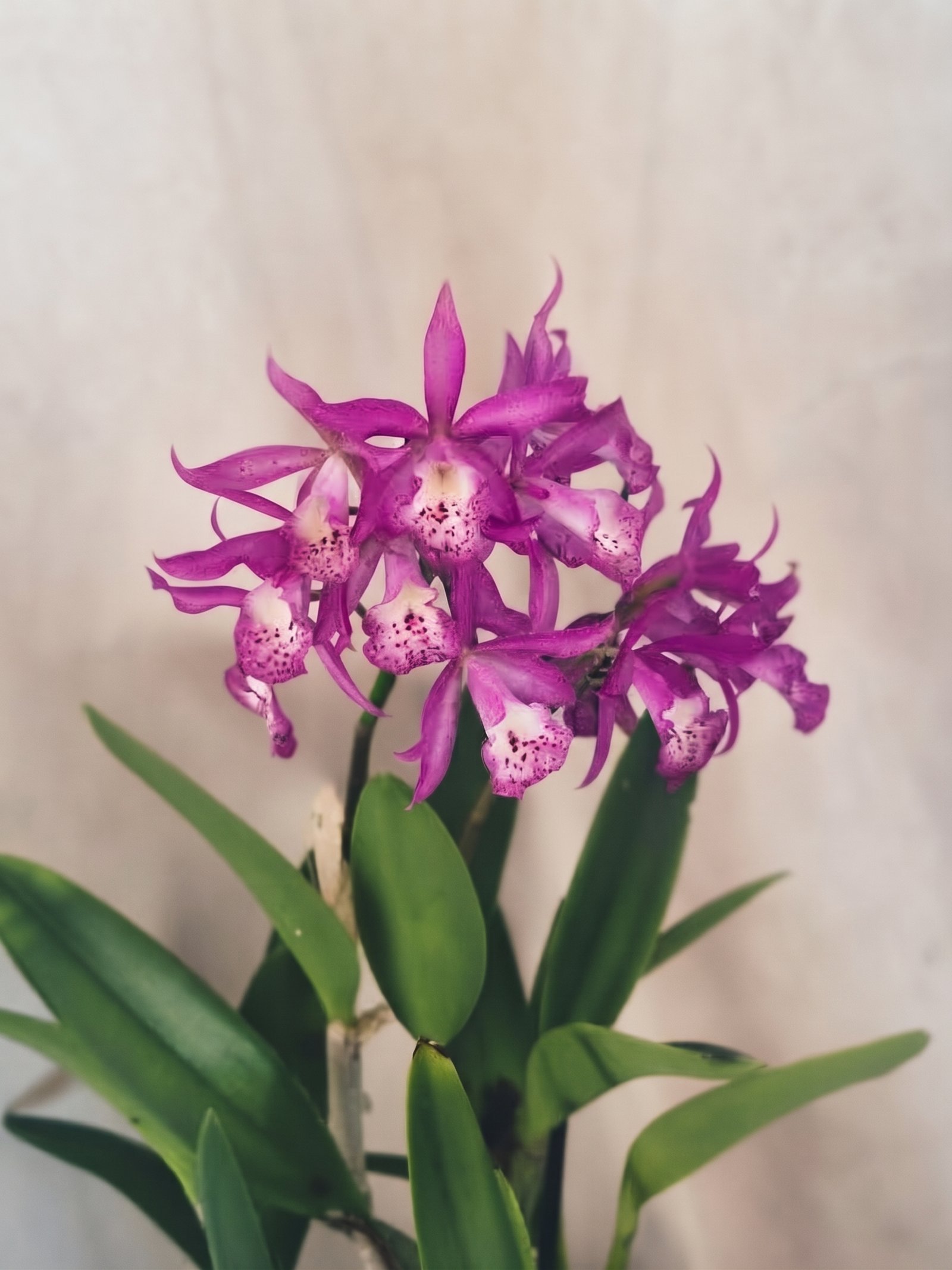
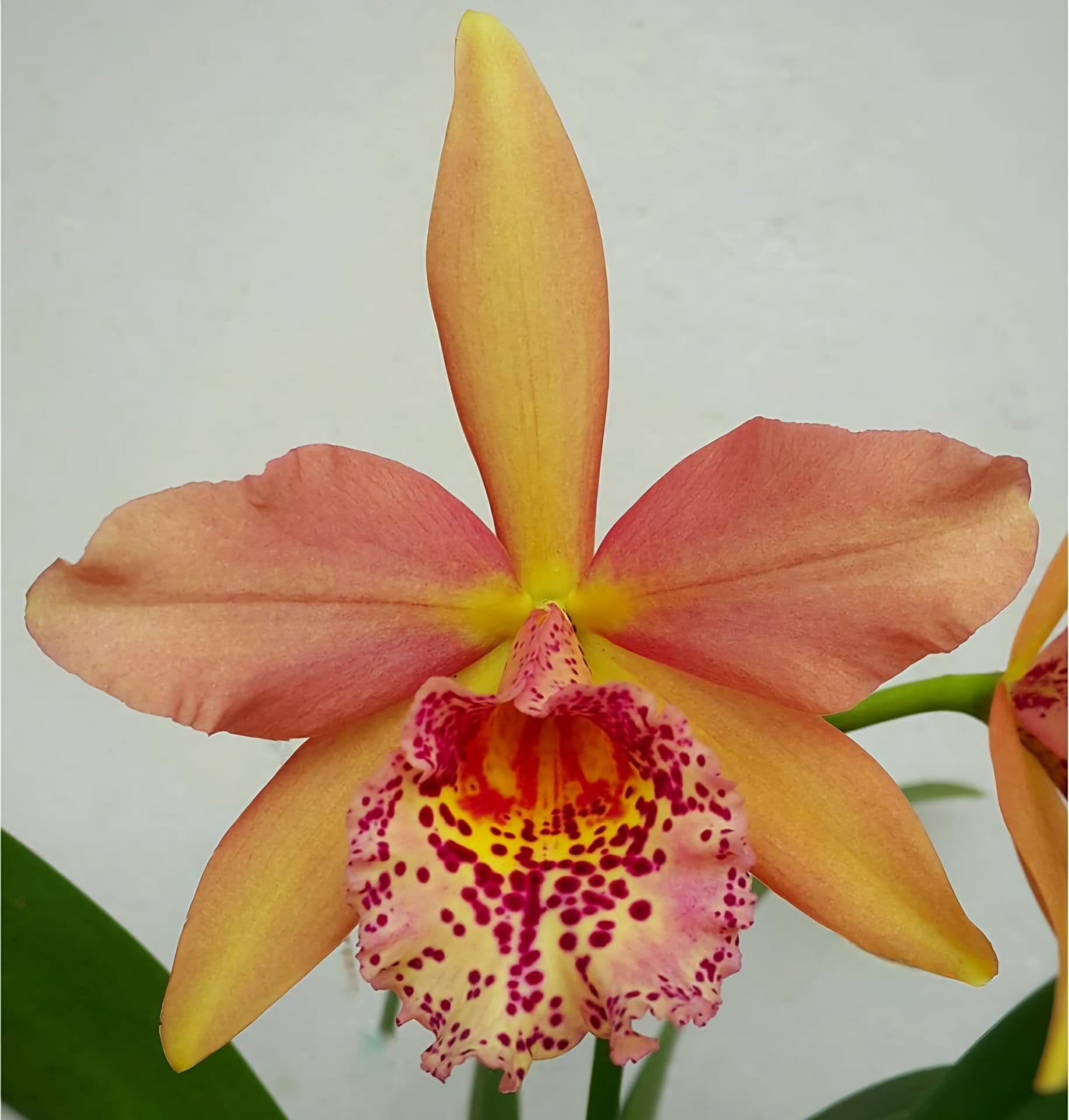
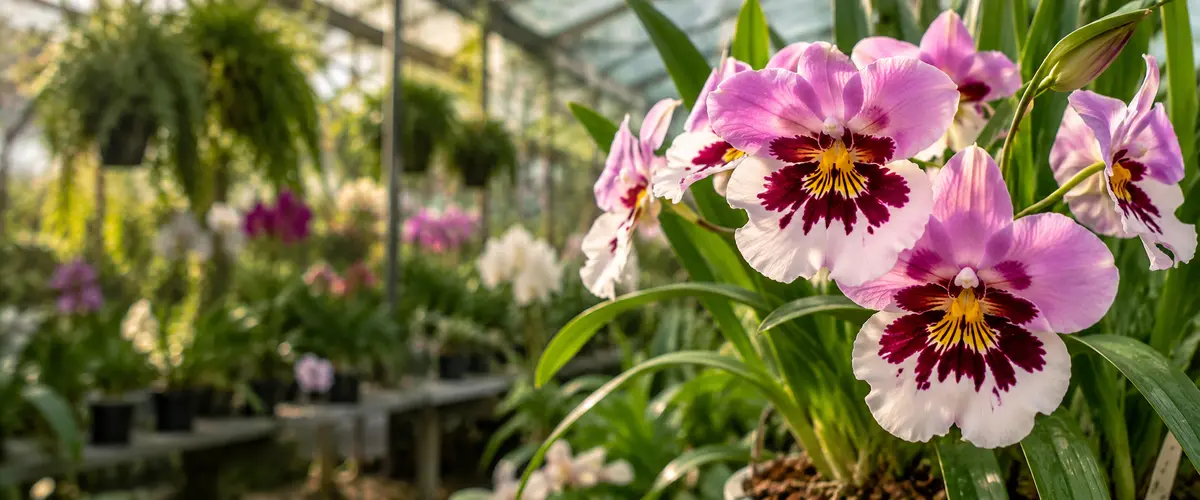
- Elegant Flowers: The flowers of Cattleya Peckhaviensis are known for their beauty and elegance. They display a combination of characteristics from the parent species, and can exhibit a wide variety of colours and shapes.
- Growth Habit: It is an epiphytic orchid, meaning it grows on other plants, using them as support.
- Robust Pseudobulbs: It has well-developed pseudobulbs that store water and nutrients, helping the plant withstand dry periods.
Cultivating Cattleya Peckhaviensis:
- Light: Prefers bright, indirect light. Avoid direct sun, especially during the hottest hours of the day.
- Temperature: Enjoys mild to warm temperatures, with a difference between day and night of around 5-10°C.
- Humidity: High humidity is beneficial, but avoid waterlogging. Maintain relative humidity between 60-70%.
- Watering: Water regularly, allowing the substrate to dry slightly between waterings. Avoid waterlogging the substrate, as this can lead to root rot.
- Substrate: Use a well-draining substrate specific to epiphytic orchids, such as a mix of pine bark, charcoal and sphagnum moss.
- Feeding: Fertilise monthly during the growing period with a balanced orchid fertiliser, diluted to half strength.
- Repotting: Repot every 2-3 years, or when the substrate has broken down or the roots are filling the entire pot.
Additional Tips:
- Ventilation: Ensure good air circulation to prevent fungal diseases.
- Pests and Diseases: Watch out for pests such as mealybugs and aphids. Treat any problem promptly.
A Classic of Cattleya Hybridisation
Cattleya Peckhaviensis is a classic hybrid that continues to delight orchid lovers. With proper care, this plant can flower profusely, bringing beauty and elegance to your collection.
Notes:
- Variability: As a hybrid, the flower appearance can vary significantly from one plant to another.
- Flowering: Flowering usually occurs in spring or summer, but may vary depending on growing conditions.