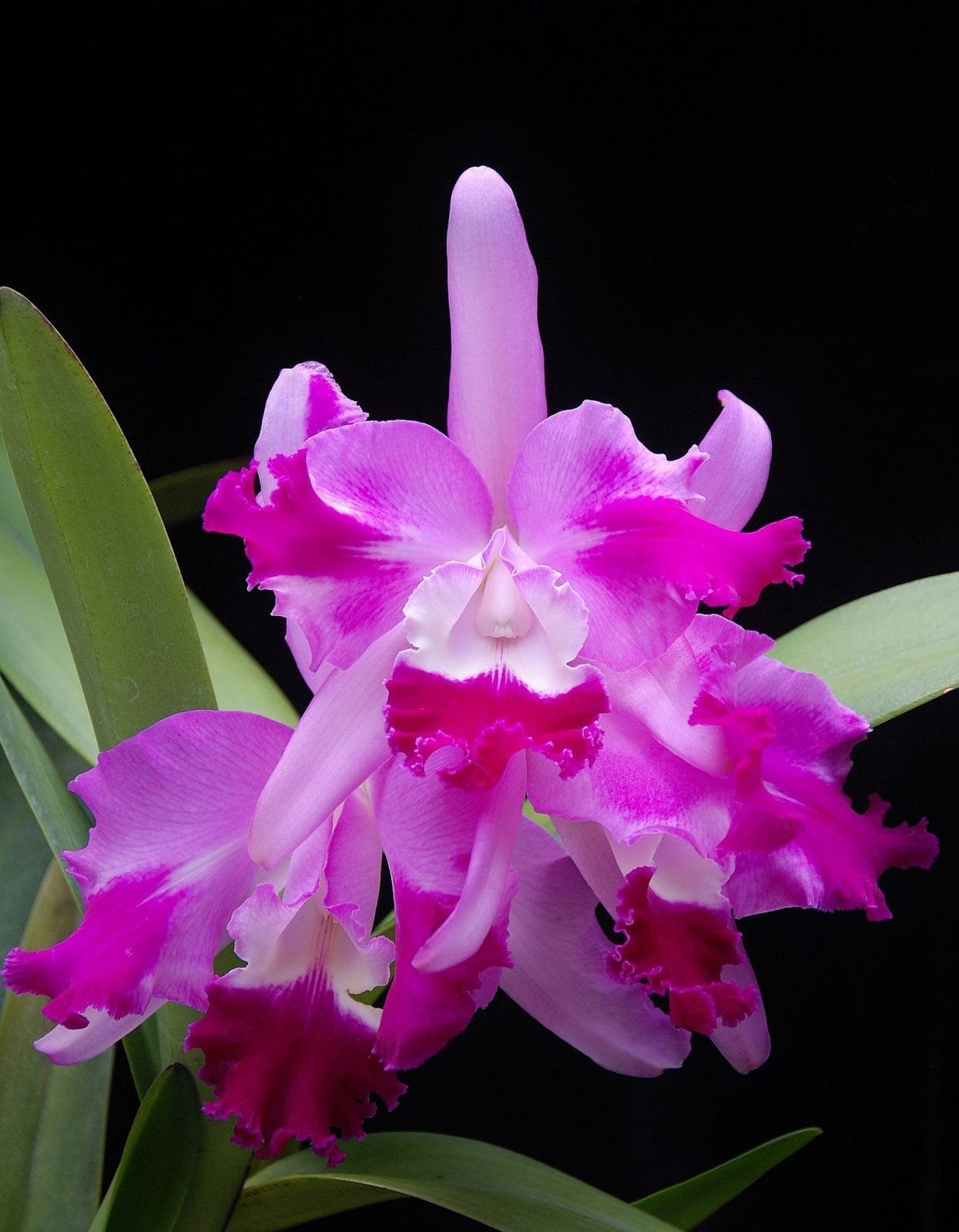
Cattleya
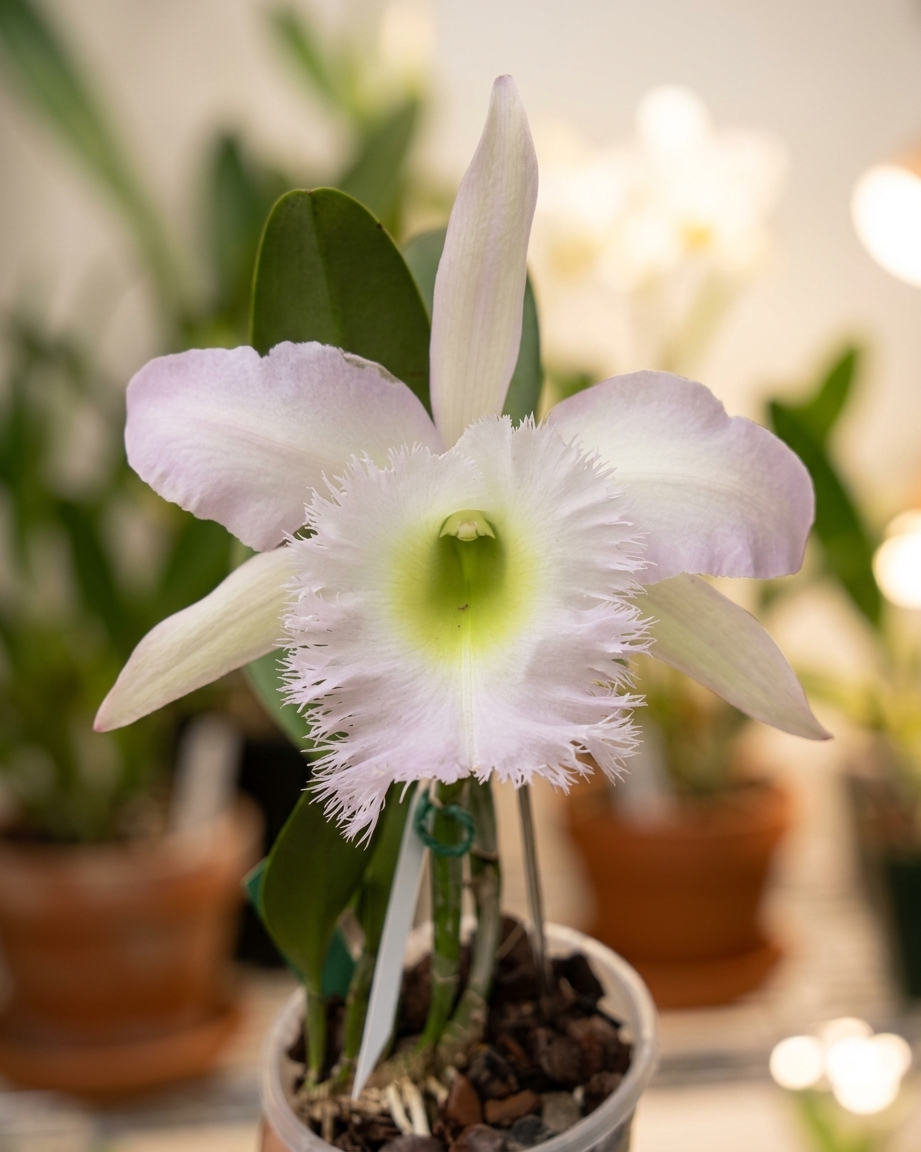
Cattleya Hybrid #1038€25.00

Talk to us to find out when it is back, or let us suggest an alternative.
Fornecida em vaso de 12cm
Fornecida com substrato de casca de pinho
There are also several hybrids whose parentage involves two or more genera from the Cattleya alliance.
Many of them can flower 2 or even 3 times a year, but not all of them. In addition, some species are fragrant.
These orchids are epiphytes, native to Central and South America, where their habitats are somewhat dry during certain periods of the year. Generally, their roots are exposed to the air so that they dry more quickly after each rainfall in their natural habitat.
They are sympodial, meaning they produce a series of new growths from a horizontal rhizome.
The pseudobulbs are relatively thick and long, and at their tops some species produce a single leaf, while others produce 2 and sometimes even 3. Speaking of leaves, they are thick, as this helps them conserve moisture better.
They like high light. Direct sunlight is generally not ideal, so avoid it. If the orchid does not flower, suspect that it is due to insufficient light.
They like temperatures ranging from 21 to 27ºC during the day, with a drop of 6 to 8ºC at night. Some species need more heat than this, but in general, an average temperature such as the one mentioned above will be sufficient.
Try to provide a humidity level of 50 to 60%. As many of them come from drier areas, this amount of humidity may be ideal.
Cattleyas like to dry out slightly between waterings, so there is no need to let them dry out completely. However, some species need a dry rest after flowering. In this case, do not fertilise and water as little as possible, but when new growths are sprouting, resume watering normally and start fertilising.
News from our greenhouse in Fernão Ferro, for people who grow with passion.
By subscribing, you accept our Privacy policy. You can unsubscribe at any time.