Bulbophyllum
Bulbophyllum falcatum€22.00

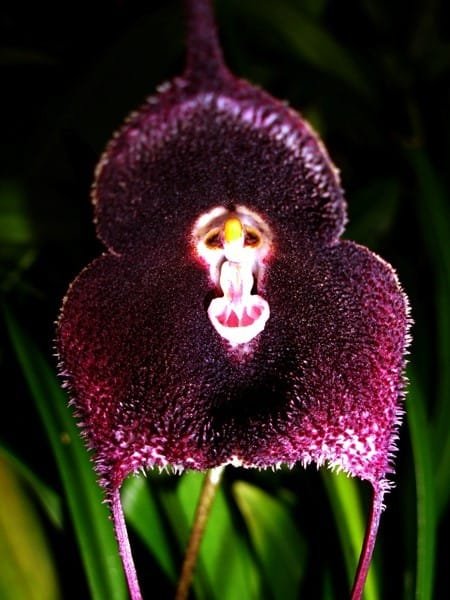
Talk to us to find out when it is back, or let us suggest an alternative.
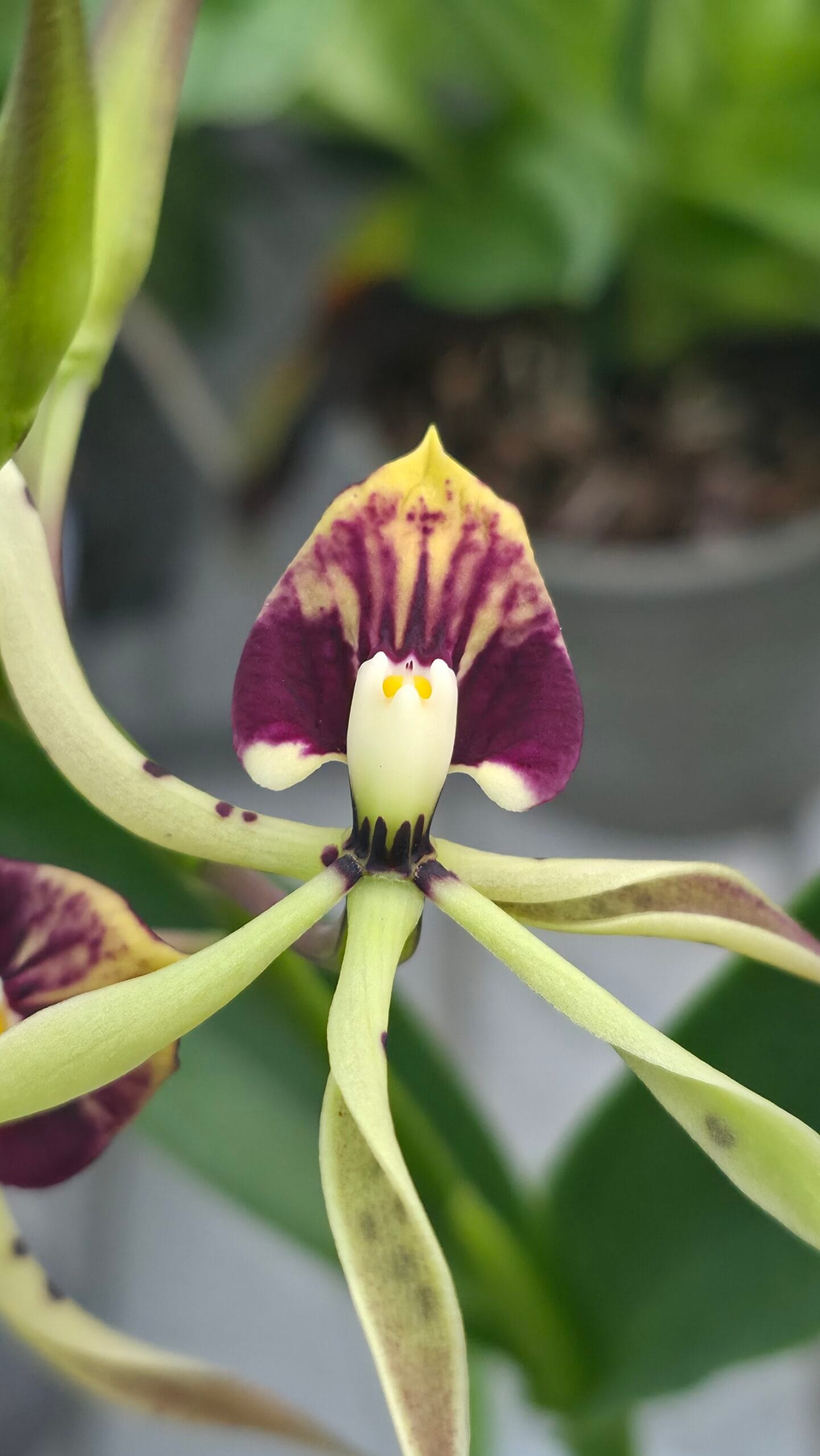
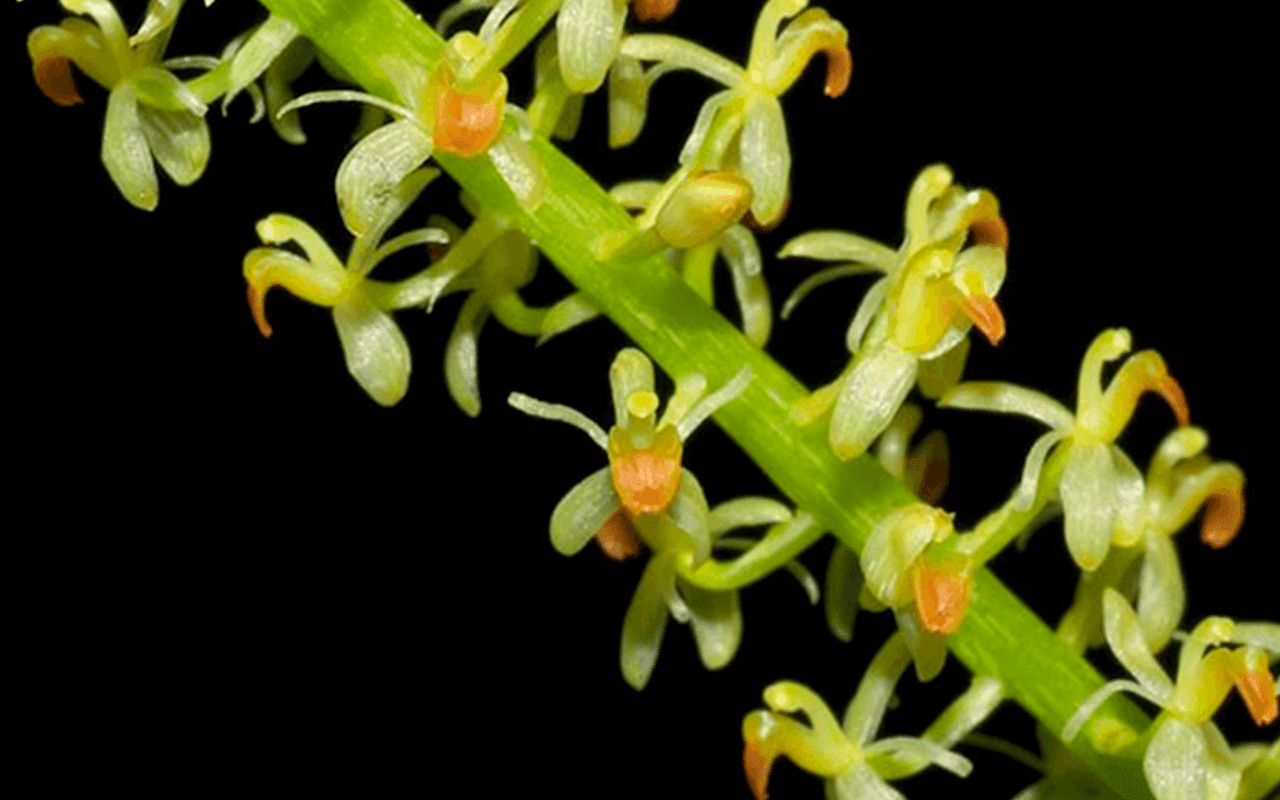
This is an epiphytic orchid species with a tufted growth habit, whose genus is closely related to Masdevallia, part of the subtribe Pleurothallidinae.
This species is native to Peru, where it inhabits humid, misty mountain forests.
There are around 122 species within this genus, and their plants range from miniature flowers to blooms that can measure more than 20 cm in diameter. They are epiphytic orchids and grow in the misty areas of mountains, where they very rarely receive direct sunlight and humidity is very high.
Because the flower spikes grow downwards, place your Dracula orchid in a plastic basket. This will improve air circulation around the roots, although it will also cause it to dry out more quickly.
Do not let them dry out completely, as they are unable to store water and can die within hours if they dry out fully and the ambient temperature is very high. It is very unlikely that they will die from overwatering, so water frequently. You can use sphagnum moss as a substrate, as it helps keep the roots humid for longer.
Provide them with low light, around 1000 to 1500 fc, as for Phalaenopsis.
They prefer a temperature below 20ºC during the day, with a drop of 10 to 15ºC at night. Keep an eye on this, as these plants dehydrate quickly if the ambient temperature is too high.
This is a very important factor, as most Dracula species come from misty cloud forests in the Andes. For this reason, provide a humidity level of 70 to 100% and good air circulation so that root rot is avoided.
News from our greenhouse in Fernão Ferro, for people who grow with passion.
By subscribing, you accept our Privacy policy. You can unsubscribe at any time.