Bulbophyllum
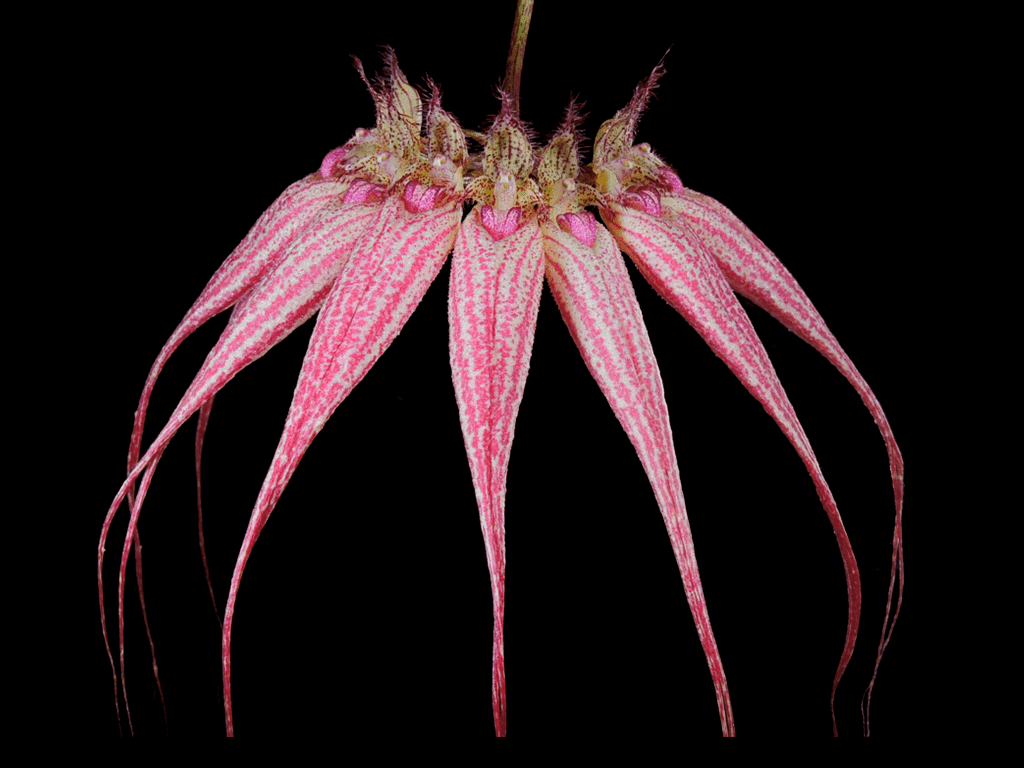
Bulbophyllum rothschildianum€25.00

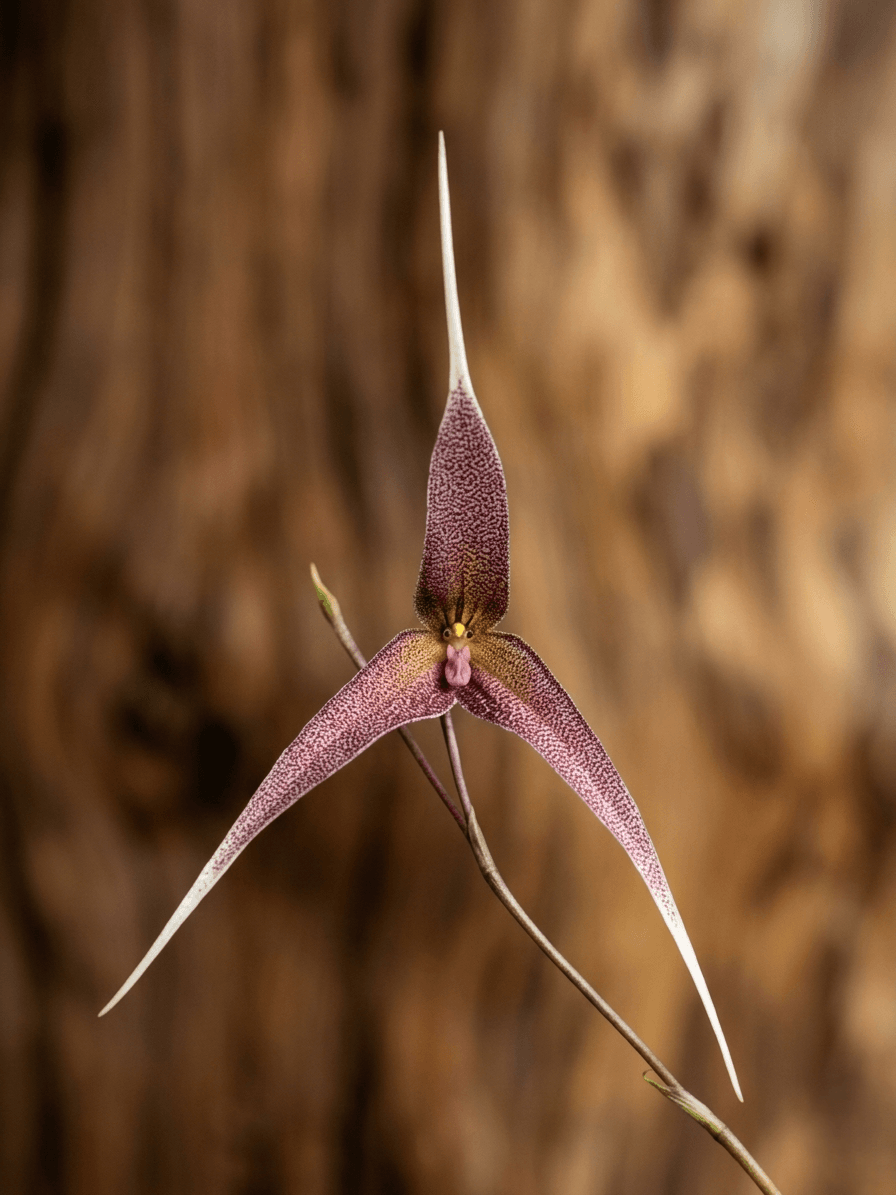
The Dracula platycrater is one of the most fascinating and collectable species in the botanical world. Belonging to the emblematic genus Dracula — whose name derives from Latin and means "little dragon" —, this epiphytic orchid is native to the high-altitude forests and cloud forests of Colombia. The Dracula platycrater captivates lovers of rare plants all over the world thanks to its unusual floral structure, whose fused sepals and long, thread-like tails resemble a small mysterious face or the silhouette of a miniature dragon.
Unlike many classic tropical orchids, the Dracula platycrater grows in dense clumps of upright, slender, leathery leaves of a deep green, without pseudobulbs. Its flower spikes often emerge at the base of the plant, and may grow horizontally or even downwards, piercing through the substrate and displaying the pendent flowers. Acquiring a Dracula platycrater means adding a genuine cool-climate botanical jewel to your collection, perfect for growers who appreciate exotic species and stimulating challenges.
Growing the Dracula platycrater successfully requires recreating the humid, cool and shaded environment of tropical mountains. Below, we detail the essential factors for keeping your plant vigorous and free-flowering.
The Dracula platycrater lives in the dense understorey, so it needs moderate to deep shade (around 70% to 80% sunlight filtering). Avoid direct sun at all costs, as strong radiation quickly scorches its delicate leaves and dehydrates the flower buds. Soft, diffused light is the ideal setting for its development.
This species prefers cool to temperate temperatures. The ideal range is between 12°C at night and 22°C during the day. High temperatures above 26°C for prolonged periods can cause heat stress, bud drop and yellowing of the leaves. Gentle, constant air circulation is essential to prevent stagnant humidity and the proliferation of leaf fungi.
As it has no pseudobulbs to store water reserves, the Dracula platycrater must never dry out completely. The substrate should be kept constantly moist, but never waterlogged. Preferably use low-mineral water, such as rainwater or reverse osmosis water. Relative air humidity should remain high, ideally between 70% and 90%.
Because the flower spikes of the Dracula platycrater tend to grow downwards or sideways, growing it in perforated plastic baskets or hanging mesh baskets is highly recommended. The ideal substrate should retain moisture without compacting: use a mix of top-quality sphagnum moss with fine pine bark and perlite to ensure perfect aeration of the root system.
Orchids of the genus Dracula are extremely sensitive to the build-up of mineral salts. For this reason, feeding the Dracula platycrater should be very gentle, always applied in well-diluted doses (half or a quarter of the manufacturer's recommended dosage).
During the vegetative growth periods in spring and summer, apply the Orchid Focus Grow fertiliser to encourage the production of new leaves and healthy roots. During the preparation and development of the flower spikes, use Orchid Focus Bloom to strengthen the structure of the flowers and ensure vibrant colouring.
Browse our whole range of specialised supplements and fertilisers in the orchid fertilisers section. To check the official taxonomic data on this species, visit the international portal Plants of the World Online (Kew Science).
Add the Dracula platycrater to your collection and be amazed by the fascination and exotic beauty of one of the most mysterious mountain orchids!
News from our greenhouse in Fernão Ferro, for people who grow with passion.
By subscribing, you accept our Privacy policy. You can unsubscribe at any time.