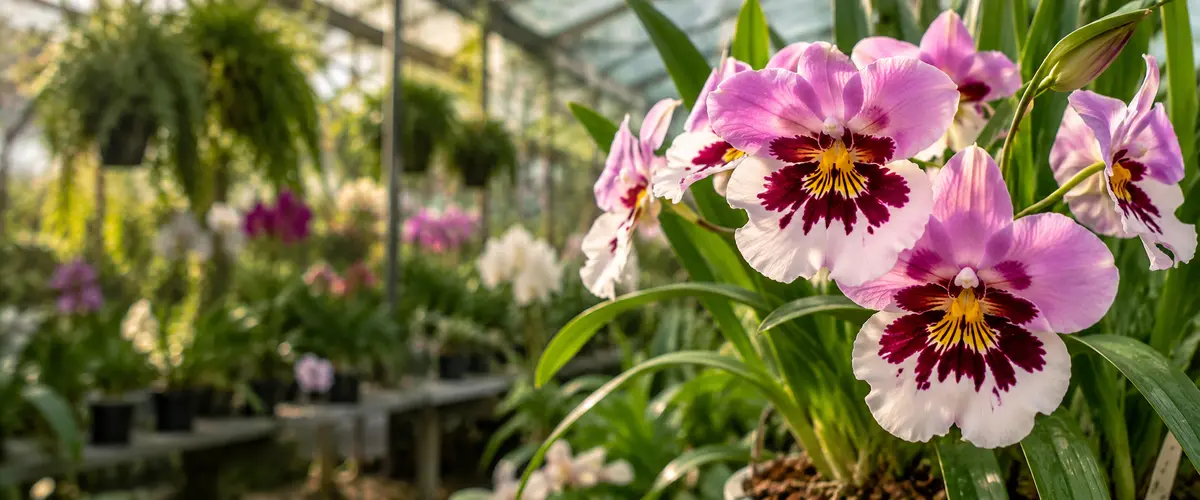
Dracula ubangina: The Exotic Orchid with a Mystical Touch
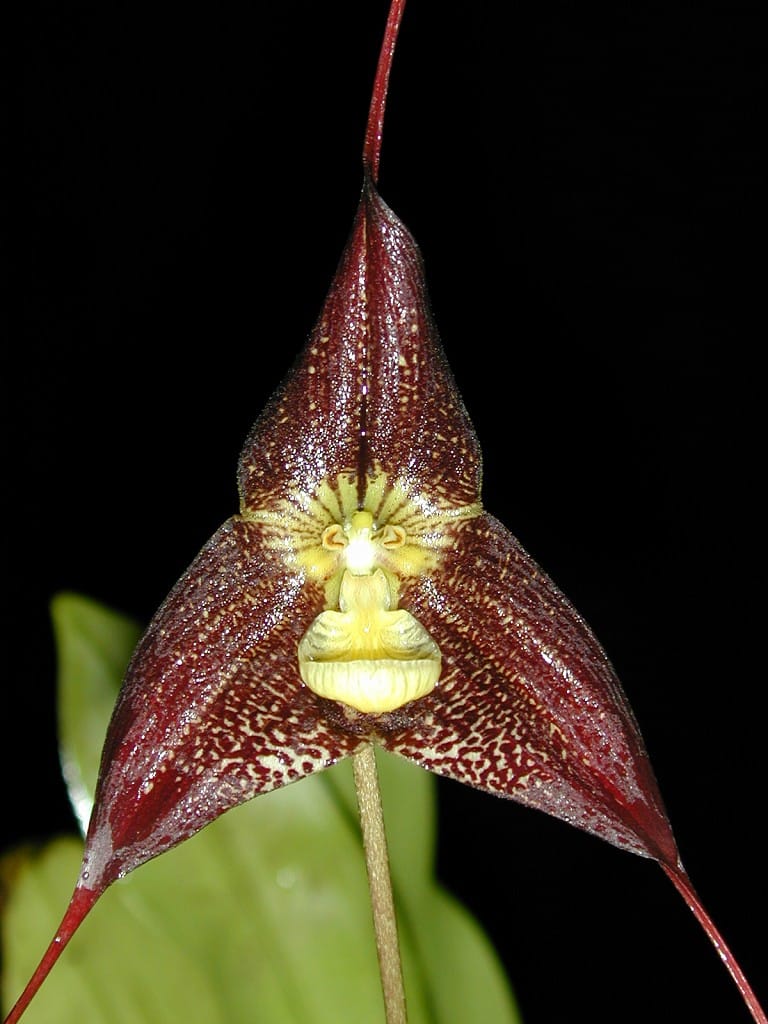
The Dracula ubangina is a fascinating and rare orchid species belonging to the group known as "monkey face" orchids (though not as literally as Dracula simia). It stands out for its pendent, intriguingly shaped flowers, a true treasure for collectors.
Key Features
- Unusual Flower Shape: The flowers of the Dracula ubangina are known for their tubular form and sepals that join together to form a "cup" or "hood". The centre of the flower, often in contrasting colour and texture, gives it a mystical and exotic appearance.
- Intense Colour: The colouring tends to be dark, often in shades of brown, purple or wine red, with paler details on the labellum, which adds to its mysterious character.
- Epiphytic Growth Habit: In its natural environment, it is an epiphytic orchid, growing on the trunks and branches of trees in mountain forests.
- Pendent Inflorescences: The flower spikes usually emerge from the base of the plant and hang downwards, making it ideal for cultivation in hanging pots or baskets.
Growing Dracula ubangina
- Light: Prefers indirect, low to moderate light. It is a shade orchid that does not tolerate direct sunlight, which can scorch its leaves.
- Temperature: Prefers cool to mild temperatures. The ideal temperature ranges between 10°C and 20°C. It is crucial to avoid intense heat and temperatures above 24°C, as these can be fatal to the plant.
- Humidity: Requires very high air humidity, ideally between 70% and 90%. Use a humidifier or grow it in a cool greenhouse or terrarium to maintain this condition.
- Watering: The substrate should be kept consistently moist, but never waterlogged. As its roots are fine and it has no pseudobulbs to store water, frequent watering and high humidity are essential.
- Substrate: Use a medium that retains moisture well but is very free-draining and airy. Sphagnum moss, fine pine bark and perlite are good options. It is often grown in baskets to allow the flower spikes to grow downwards.
- Feeding: Fertilise very lightly, using about 1/8 to 1/4 of the recommended dose of a balanced fertiliser, every two weeks, only during the active growth period.
- Repotting: Repot every 1-2 years, or when the substrate begins to break down.
Additional Care
- Ventilation: Excellent air circulation is vital, especially with high humidity, to prevent fungal and bacterial problems.
- Water Quality: Due to its sensitivity, it is best to use rainwater or distilled/deionised water to avoid the build-up of salts.
- Pests and Diseases: Watch out for fungi and slugs, which may be attracted by the humid environment.
With careful care and by maintaining cool, humid growing conditions, the Dracula ubangina will reward you with its unique flowers, bringing a touch of mystery and fascination to your collection.