Bulbophyllum
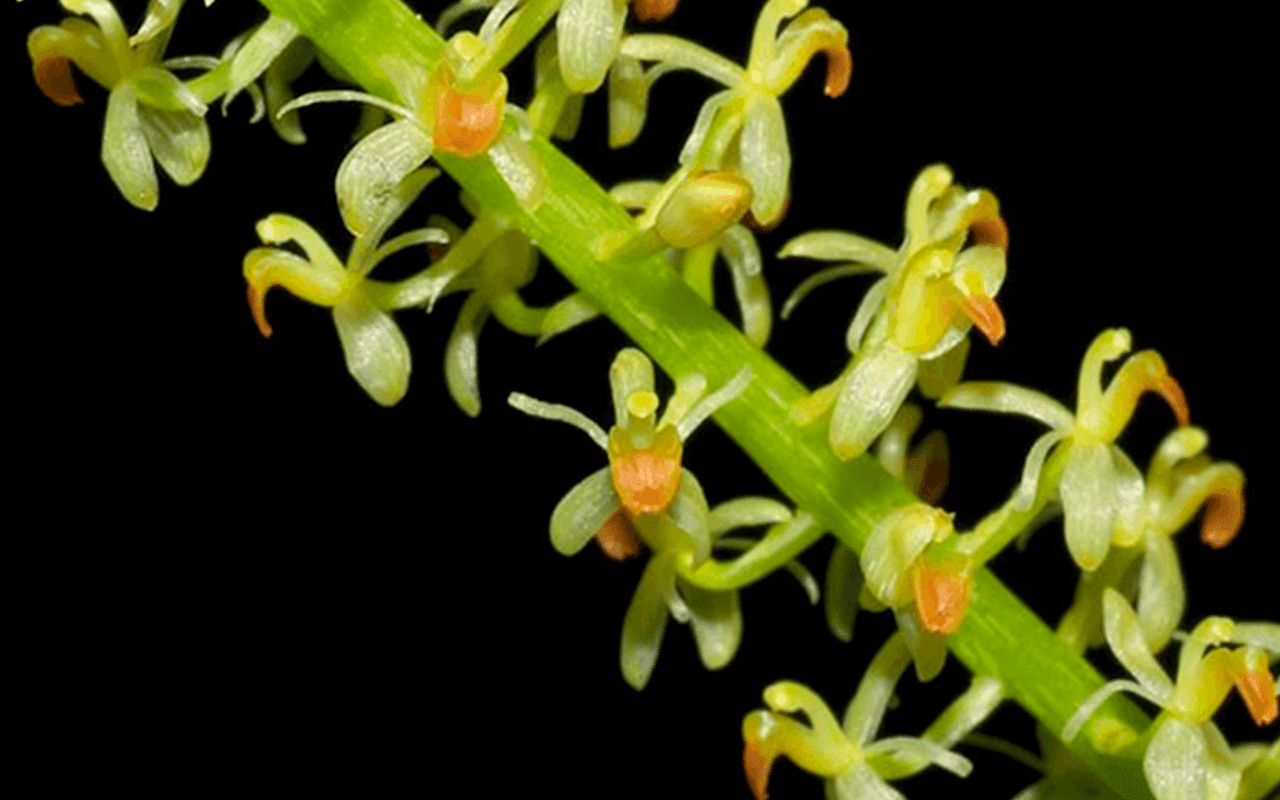
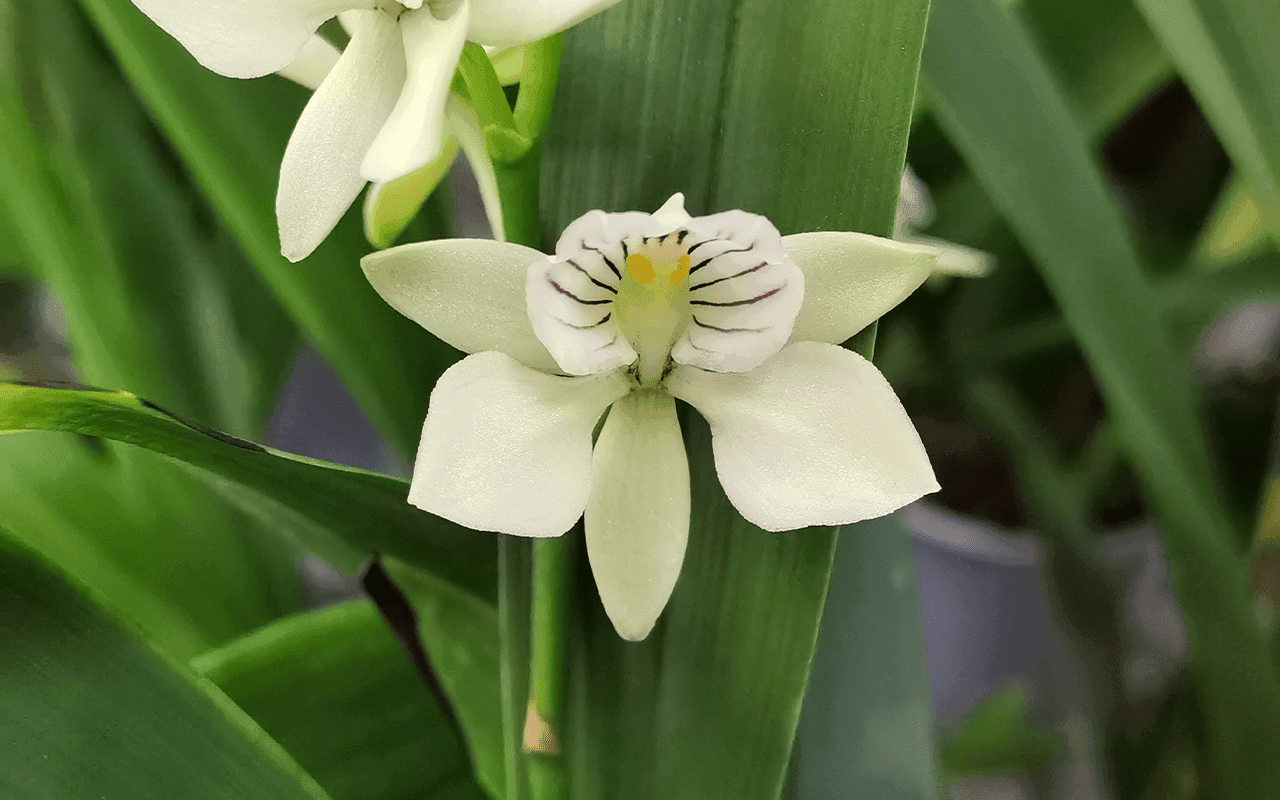
Bulbophyllum falcatum€22.00

Talk to us to find out when it is back, or let us suggest an alternative.
They produce plenty of flowers, which are mostly small; some measure just 1.5cm across, while others can reach up to 15cm in diameter. They grow very quickly in large specimens, as the rhizomes can produce multiple new growths per year.
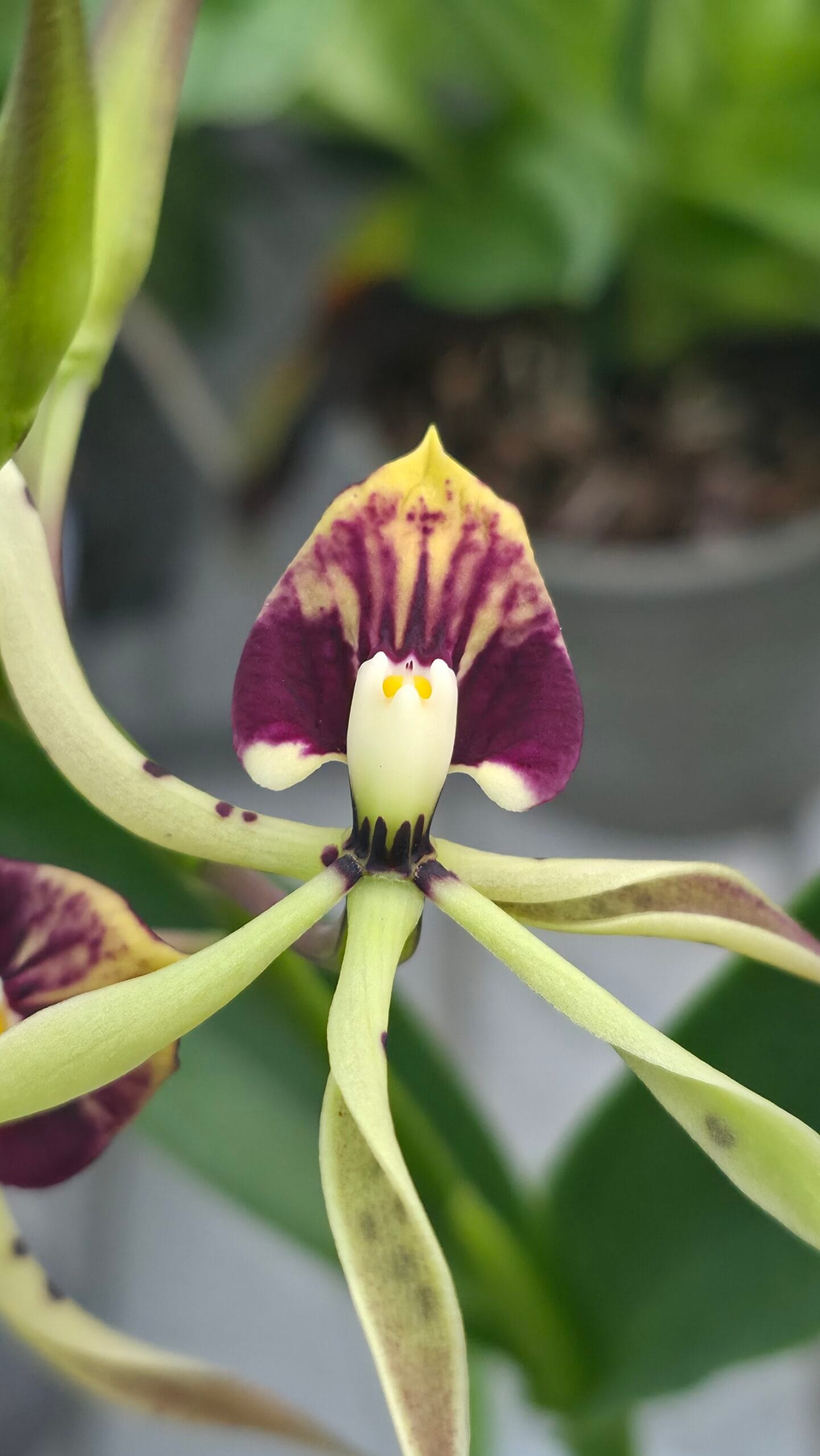
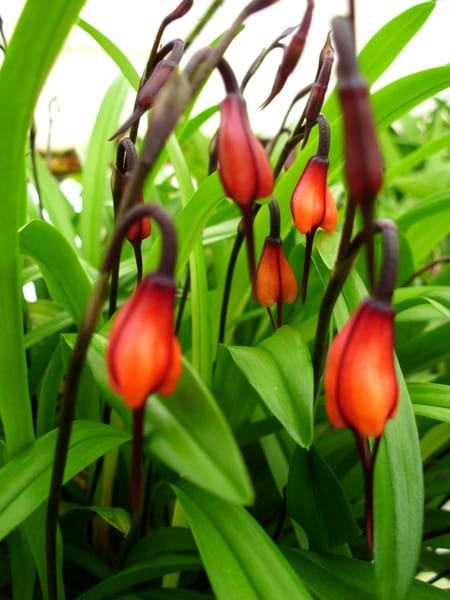
They come in a range of colours, including white, yellow, brown, various shades of red, dark purple and even black. Some resemble small flames due to their orange colouring, while others are yellow with brown stripes, very much like a tiger's coat.
The natural habitat of the species varies considerably in altitude, so their temperature requirements also vary widely. Start with average temperatures (20ºC to 29ºC) and see whether they need more or less. If in doubt, research your particular species in more depth.
Provide high light, the same as used for Cattleya orchids.
When it comes to the potting mix, they like plenty of air around the roots as they are epiphytes, but they also like to stay moist. For this reason, sphagnum moss works very well, as it absorbs excess water from watering and uses it to dampen the roots. You may also choose to grow them mounted on tree trunks; simply tie them on and add a little sphagnum moss around the roots. These orchids have aerial roots, but it is the lower roots that need more humidity.
They do not like to dry out, so water them as soon as they approach dryness.
Most species like high humidity levels, around 70%. As the rhizomes generally grow out of the pot and spread, high humidity is essential so that the aerial roots can absorb it.
News from our greenhouse in Fernão Ferro, for people who grow with passion.
By subscribing, you accept our Privacy policy. You can unsubscribe at any time.