Natural Forms
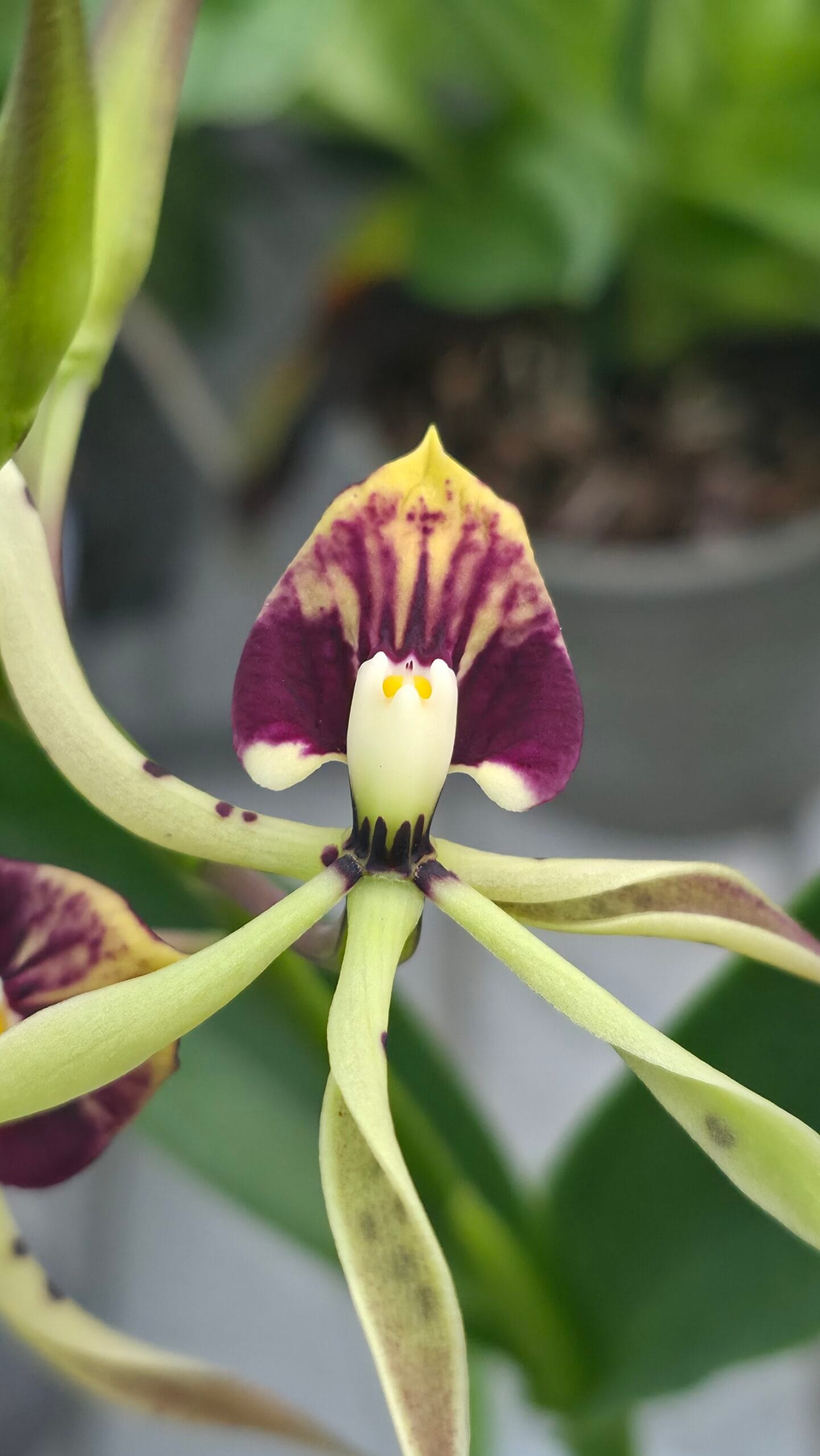
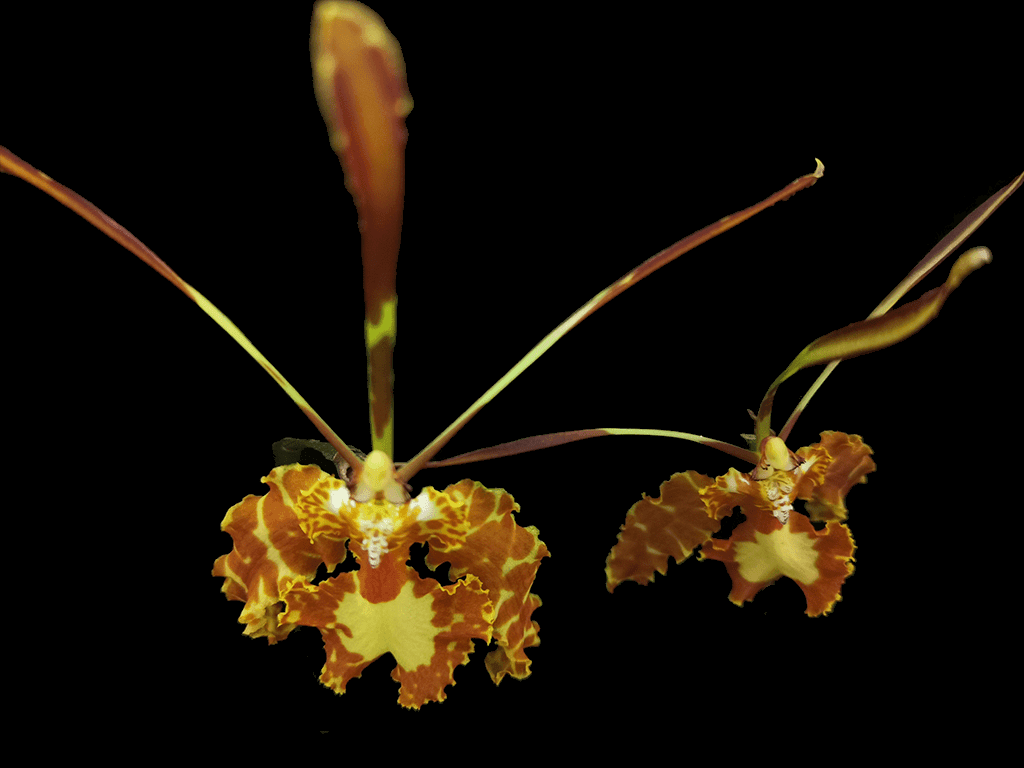
Psychopsis Mariposa ‘Green Valley’€35.00

Talk to us to find out when it is back, or let us suggest an alternative.
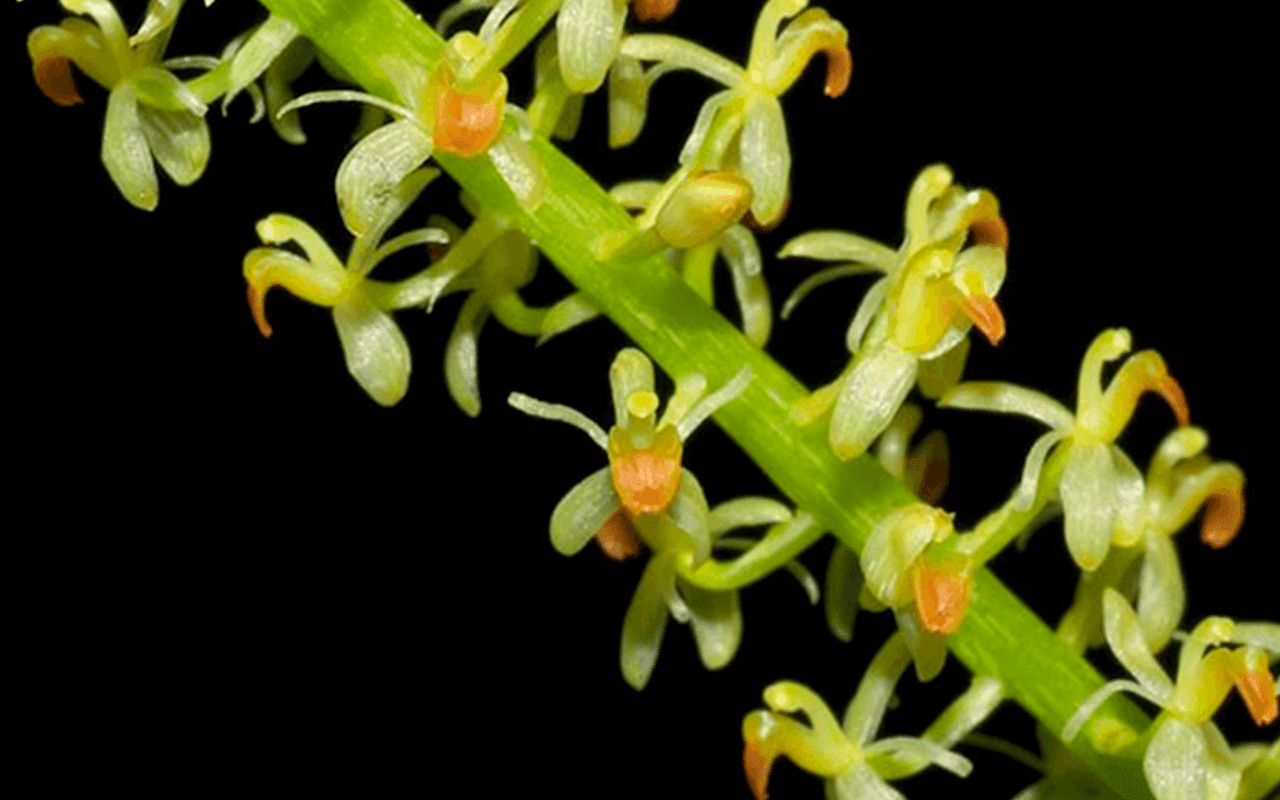
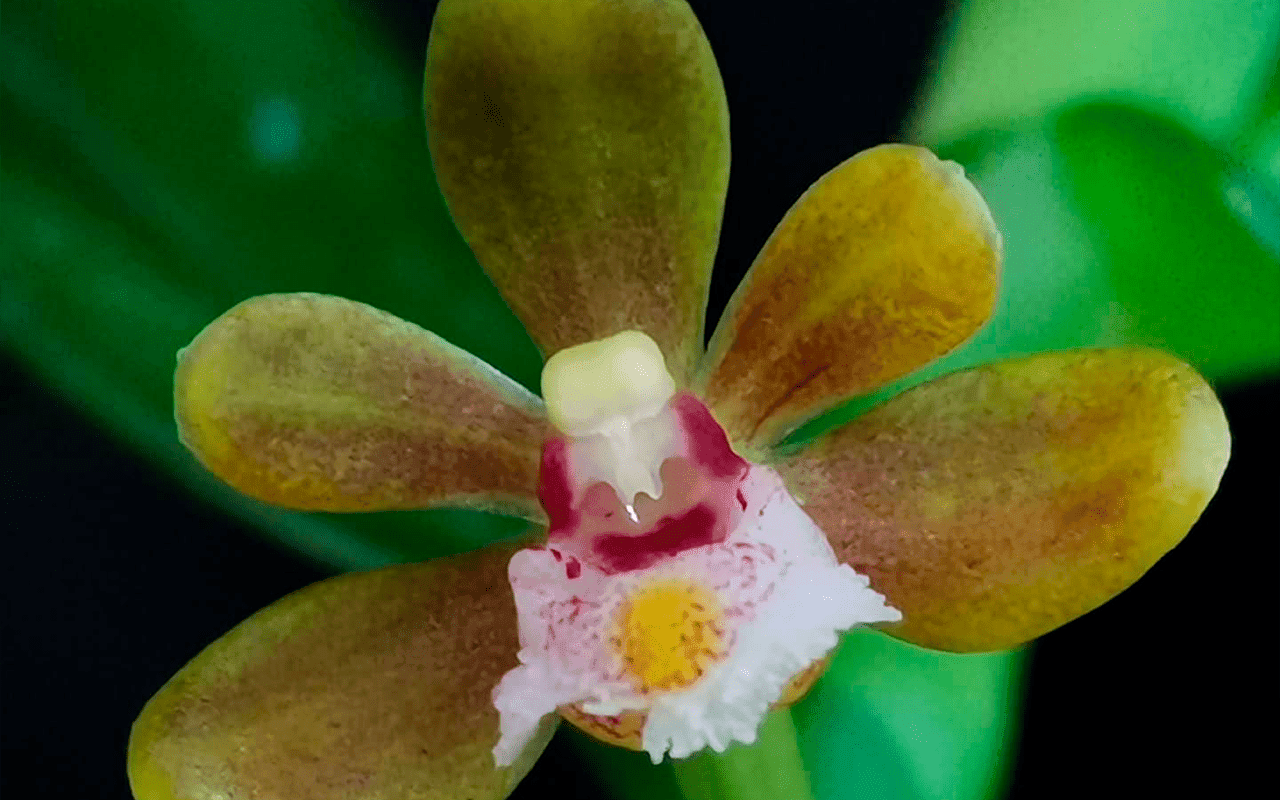
The Gastochilus acutifolius is a small to medium-sized species with monopodial growth, somewhat similar to Vanda, with short inflorescences bearing numerous lightly fragranced flowers.
It is an epiphytic species that inhabits mixed forests at low to medium altitudes, between 700 and 900 metres. It is native to Asia, from places such as India (Assam), the eastern Himalayas, Nepal, Burma and Vietnam.
The ideal amount of light may vary depending on the species, but you can start by providing shaded light and gradually increase its exposure depending on how it responds, especially if you notice the leaves turning dark. However, avoid leaving it exposed to direct sunlight for long periods.
They enjoy mild temperatures, ranging from 21 to 35ºC during the day, with a drop of 8 to 10ºC at night.
Try to provide a humidity level of 50 to 70% and they will be happy.
They like plenty of ventilation around the roots, so if you provide the humidity level mentioned above, it is essential that you also provide enough ventilation so the roots do not rot.
You can choose to grow them in baskets, which looks great. Otherwise, they can be mounted on tree trunks, wooden stumps and even in pots.
If you prefer to grow them in a pot, I recommend a clay one, with substrates such as charcoal, wine corks or some coarse bark.
News from our greenhouse in Fernão Ferro, for people who grow with passion.
By subscribing, you accept our Privacy policy. You can unsubscribe at any time.