Laelia perrinii: The Classic Elegance of the Atlantic Forest
The Laelia perrinii is a Brazilian orchid species, native to the Atlantic Forest, known for its large, striking flowers that radiate a classic, timeless beauty. It is a popular choice among collectors and enthusiasts because of its grace and relatively easy cultivation.
Key Features:
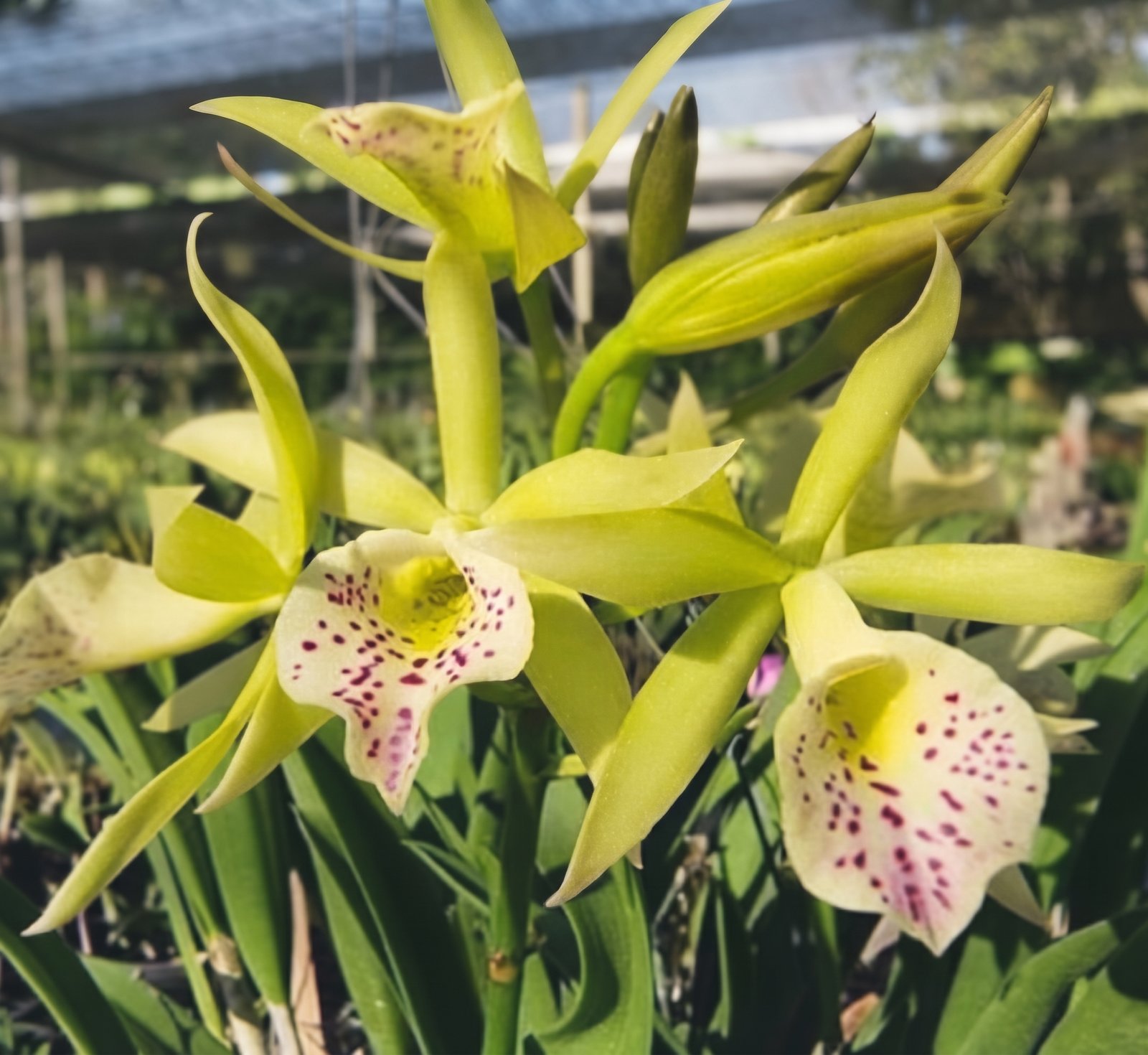
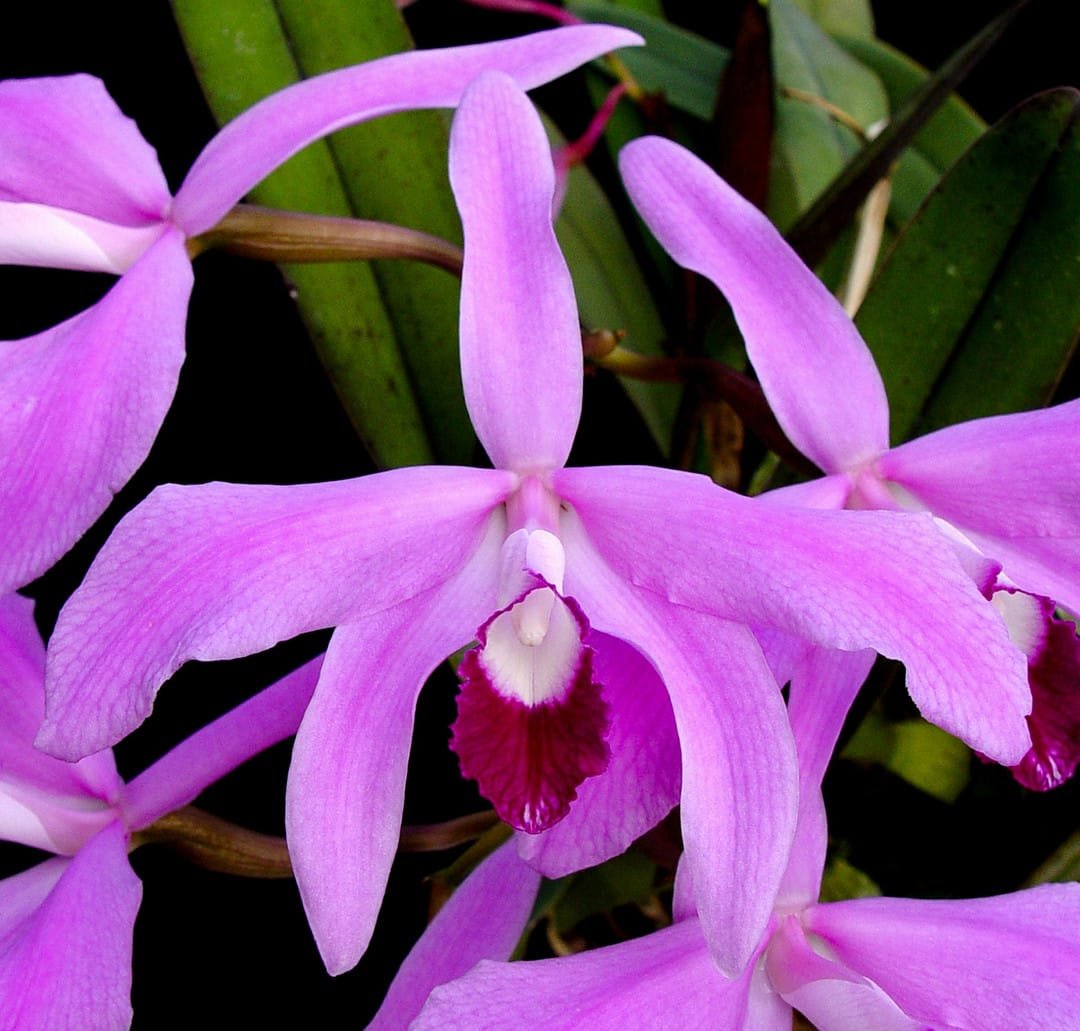
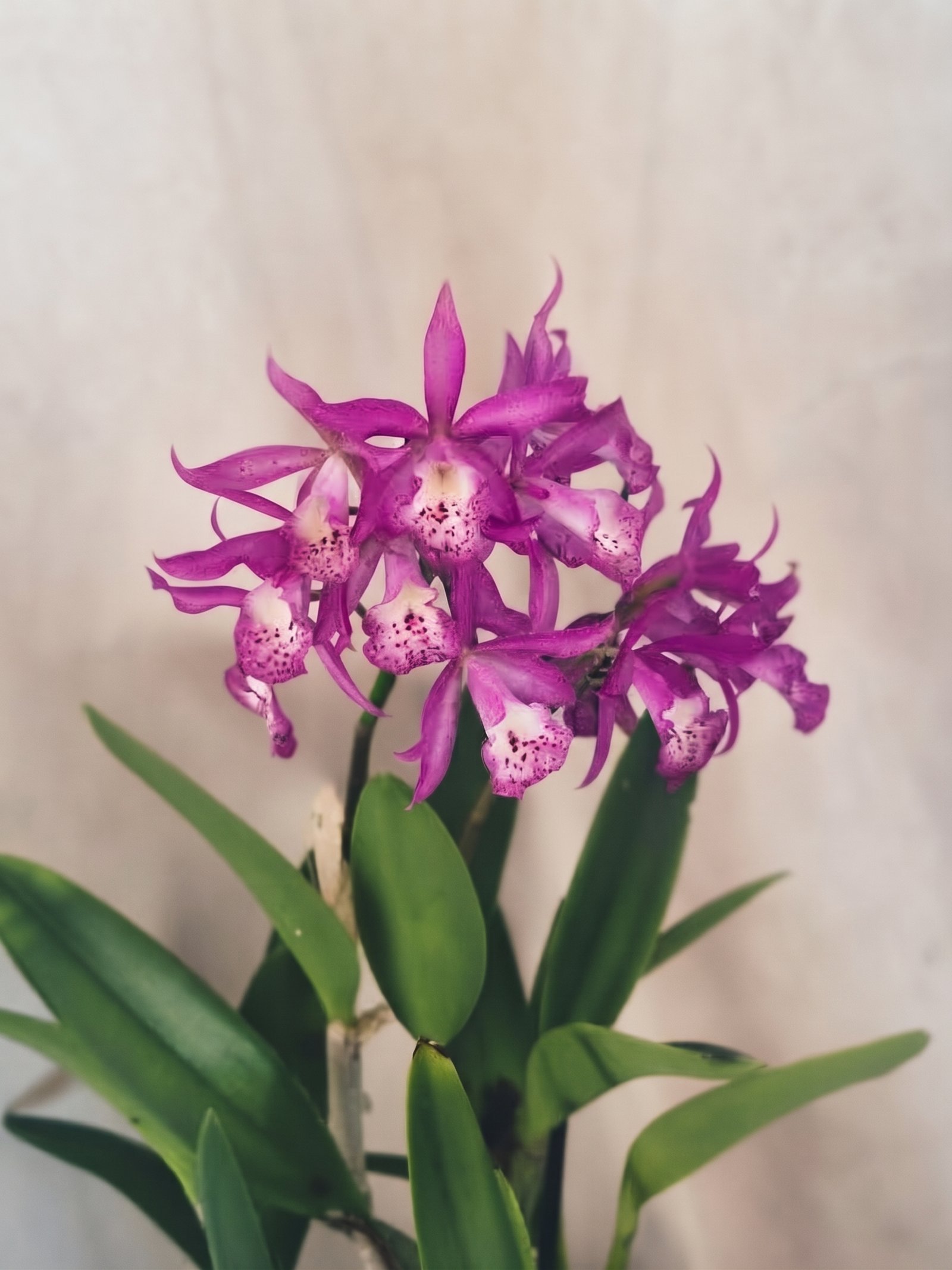
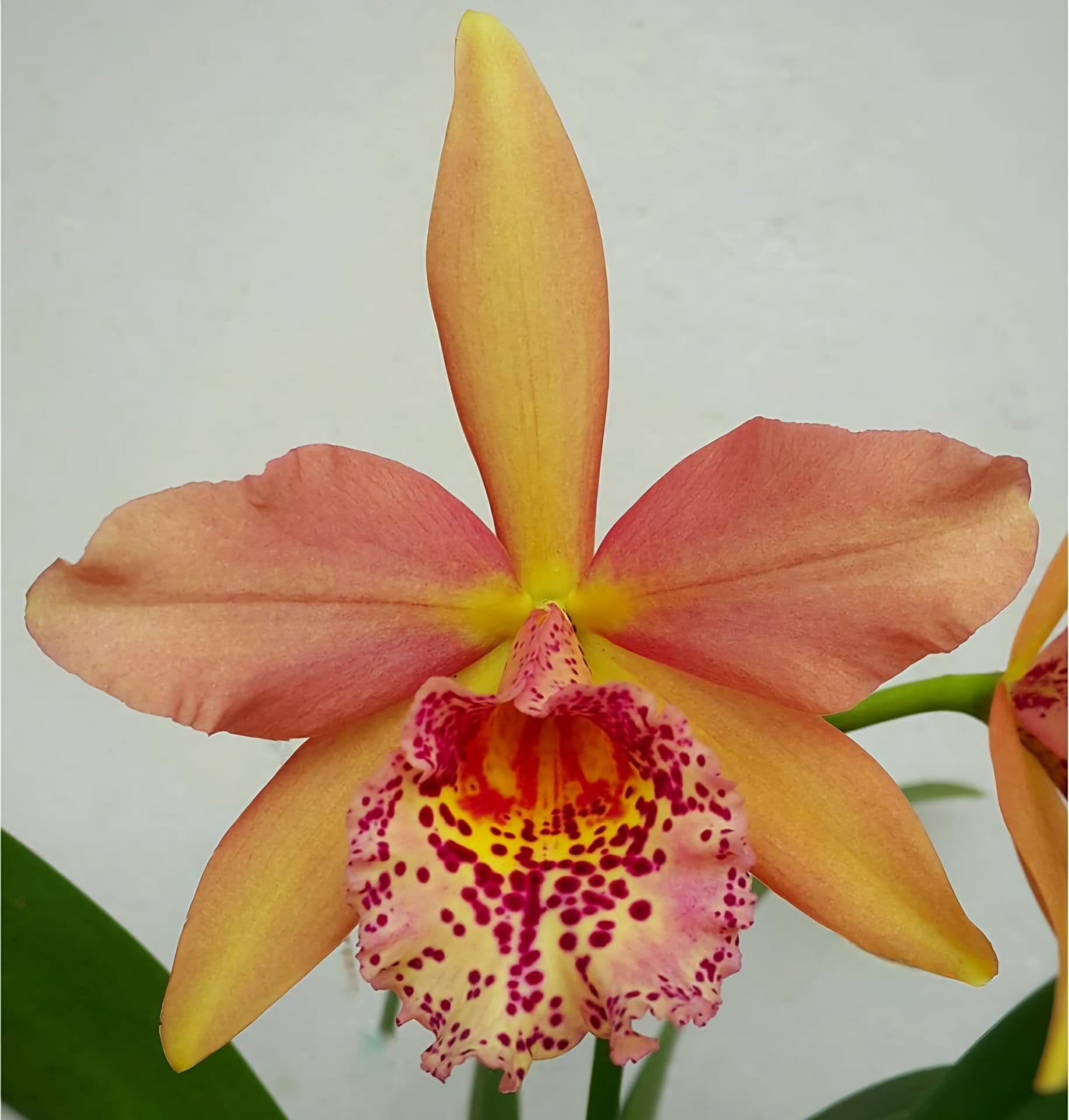
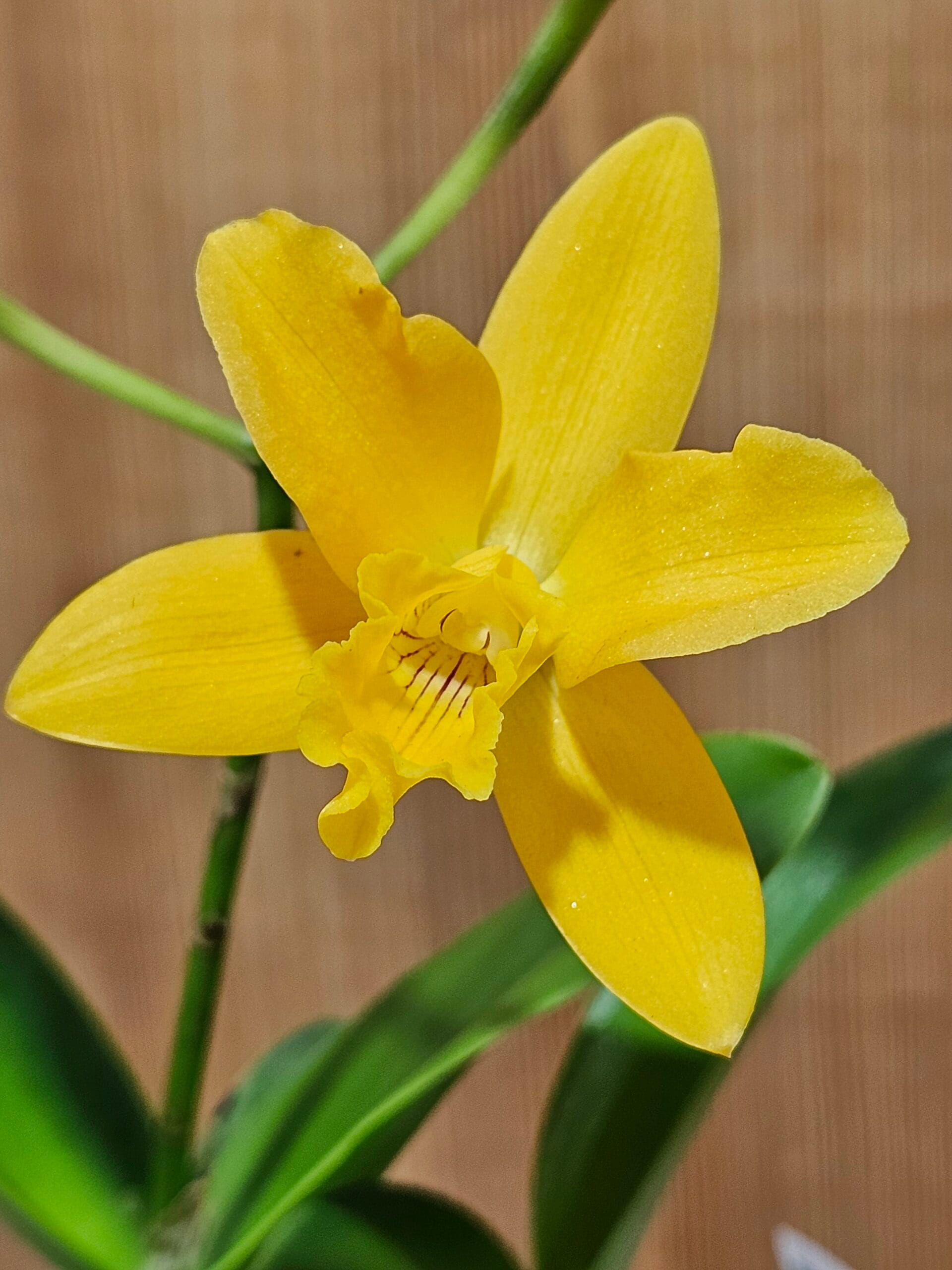
- Large and Showy Flowers: The flowers of the Laelia perrinii are notable for their size, reaching considerable diameters. They generally display shades ranging from pale pink to deep purple, with a distinctive lip, often marked with dark veins, and a yellow or white throat that adds a touch of contrast and sophistication.
- Subtle Fragrance: Although not as pronounced as in some other orchids, the Laelia perrinii can have a soft, pleasant fragrance, especially on warm, sunny days.
- Epiphytic Growth Habit: In its natural habitat, the Laelia perrinii is an epiphytic orchid, meaning it grows attached to trees, using them for support without parasitising them. Its pseudobulbs are cylindrical and elongated, bearing one or two apical leaves.
Growing the Laelia perrinii:
- Light: Prefers bright, indirect light. It is crucial to avoid direct exposure to strong sun, especially during the hottest hours of the day (from midday to late afternoon), as this can scorch the leaves. A spot with filtered light or partial shade is ideal.
- Temperature: Enjoys mild to warm temperatures. During the day, ideally keep it between 20°C and 30°C. A temperature difference of around 5-10°C between day and night is beneficial for encouraging flowering. Avoid temperatures below 12°C.
- Humidity: Requires high humidity, ideally between 60% and 80%. In drier environments, it may help to use a humidifier or to place the pot on a tray of pebbles and water, making sure the base of the pot does not sit directly in the water.
- Watering: Water regularly, allowing the substrate to dry out slightly between waterings. During the active growing period (spring and summer), watering will be more frequent. In autumn and winter, when the plant enters a period of lower activity, reduce how often you water, but do not let the substrate dry out completely for long periods. It is essential that the substrate has excellent drainage to prevent root rot.
- Substrate: Use a substrate specifically for epiphytic orchids, with excellent drainage and aeration. A mix of medium-grade pine bark, charcoal and a little sphagnum moss or perlite is a good option. It can be grown in clay pots (which promote better aeration) or in decorative wooden planters.
- Feeding: Feed monthly during the active growing period (spring and summer) with a balanced orchid fertiliser, diluted to half or a quarter of the strength recommended by the manufacturer. In autumn and winter, reduce or suspend feeding.
- Repotting: Repot every 2 to 3 years, or when the substrate has broken down, the roots are very congested in the pot, or the plant shows signs of stunted growth. The best time to repot is after flowering, when the plant is starting new growths.
Additional Care:
- Ventilation: Ensure good air circulation around the plant to prevent fungal diseases and the build-up of moisture on the leaves and pseudobulbs.
- Pests and Diseases: Watch out for common orchid pests such as mealybugs, aphids and mites. Inspect the plant regularly and, if you spot any infestation, treat it promptly with suitable products or appropriate home remedies.
With proper care, the Laelia perrinii will reward you with its magnificent flowers, becoming a focal point and a source of admiration in your orchid collection. It is an excellent choice for anyone seeking an orchid with classic beauty that is easy to care for.