Bulbophyllum
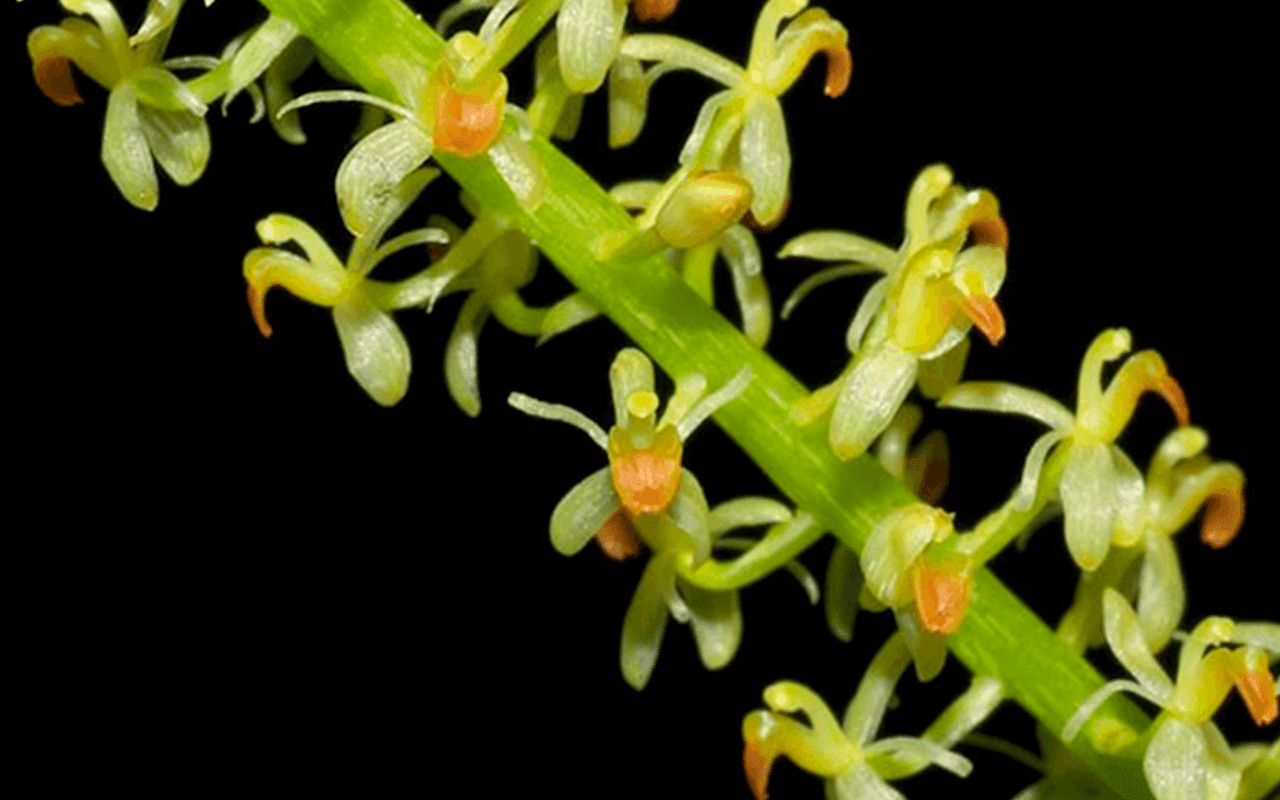
Bulbophyllum falcatum€22.00


Talk to us to find out when it is back, or let us suggest an alternative.
A Lycaste is a genus of orchids with very attractive flowers that are generally triangular, as the sepals are longer than the petals and the petals face forwards rather than out to the sides.
In total, there are around 30 different species of Lycaste, and many of them are quite hardy because, given the location they come from, they are accustomed to high levels of humidity in the air.
They have prominent pseudobulbs with thin, heavily veined leaves at the top. Each flower stem bears only one flower, and the stems emerge from the base of the pseudobulb. Over time, the pseudobulbs become wrinkled, and the leaves last around 2 years before falling off once the plant flowers.
The flower colours of these orchids include yellow, white, orange, green, red, purple, among others. Many of them are fragrant orchids.
Filtered, indirect light is recommended, as direct light can scorch the leaves. On the other hand, insufficient light can reduce the number of flowers that bloom. The leaves should always remain a healthy, glossy green, which shows that the light levels are suitable.
Lycaste orchids prefer a daytime temperature of around 15 to 29ºC, with a drop at night to between 13 and 16ºC.
Water when they approach dryness, especially during the period of active growth, as this is when they dislike drying out. After flowering they usually need a dry rest, so when that time comes, water only enough to stop the pseudobulbs from shrivelling. Once active growth resumes, you can return to watering normally. It is best to use a substrate based on sphagnum moss mixed with coconut or pine bark, as this mixture holds plenty of moisture and they will love it.
This is a very important factor for these orchids, as their natural habitat is quite humid. Provide around 60 to 80% humidity, but be careful: if you overdo it, mould and pests can start to appear on the plant.
Repot these orchids once a year, just after flowering, when the new growth is about 3 to 6cm tall. Do not reuse the same substrate, and remove any dead roots.
News from our greenhouse in Fernão Ferro, for people who grow with passion.
By subscribing, you accept our Privacy policy. You can unsubscribe at any time.