Bulbophyllum
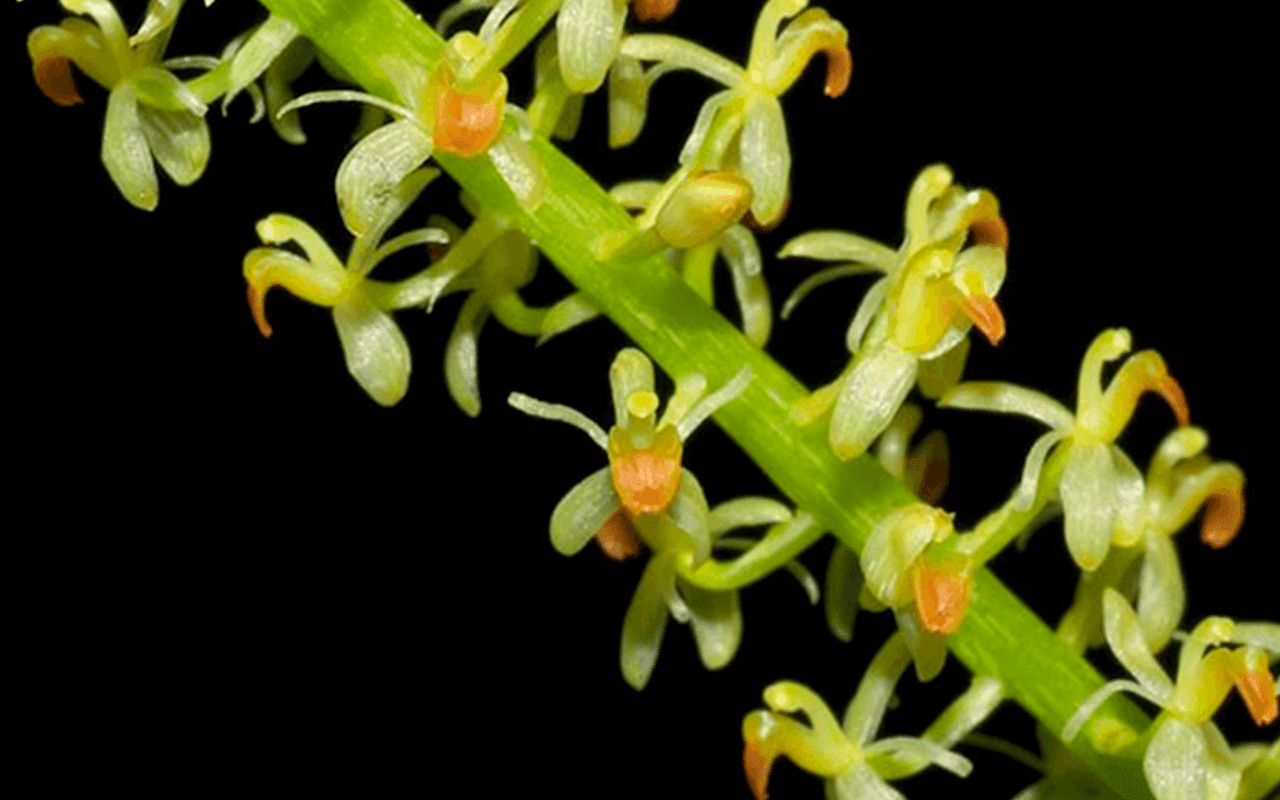
Bulbophyllum falcatum€22.00

Talk to us to find out when it is back, or let us suggest an alternative.
A Masdevallia is a genus of orchids with approximately 500 epiphytic species, most of which come from environments at around 1000 to 3000 metres above sea level, in other words, a rather cold and humid environment.
Although it varies somewhat from species to species, consider providing a maximum temperature of 20ºC during the day for most species, with a drop of at least 10ºC at night. The more light the environment has, the cooler the temperature should be, and vice versa.
As they have no pseudobulbs, they do not store water, so never let them dry out, as they come from forests where mist and rain are constant. I recommend watering 1 to 2 times a week or even more, since unlike most orchids, Masdevallia are very difficult to kill through overwatering.
Here is a crucial factor: provide them with a humidity level of 70 to 90%. At this level of humidity, high air circulation will be essential to prevent the appearance of fungus, mould and disease; the use of a fan may be necessary.
Light requirements vary from species to species, but to give you a general guide, species with thicker leaves generally need more light.
You can experiment until you find the ideal level, but rule out high, direct light. It may be good to test filtered light, the same as recommended for Phalaenopsis , and increase it as needed.
Tip: Use a mix of substrates that retain plenty of moisture; I recommend sphagnum moss as an option. Repot them every 1 or at most 2 years.
News from our greenhouse in Fernão Ferro, for people who grow with passion.
By subscribing, you accept our Privacy policy. You can unsubscribe at any time.