Natural Forms
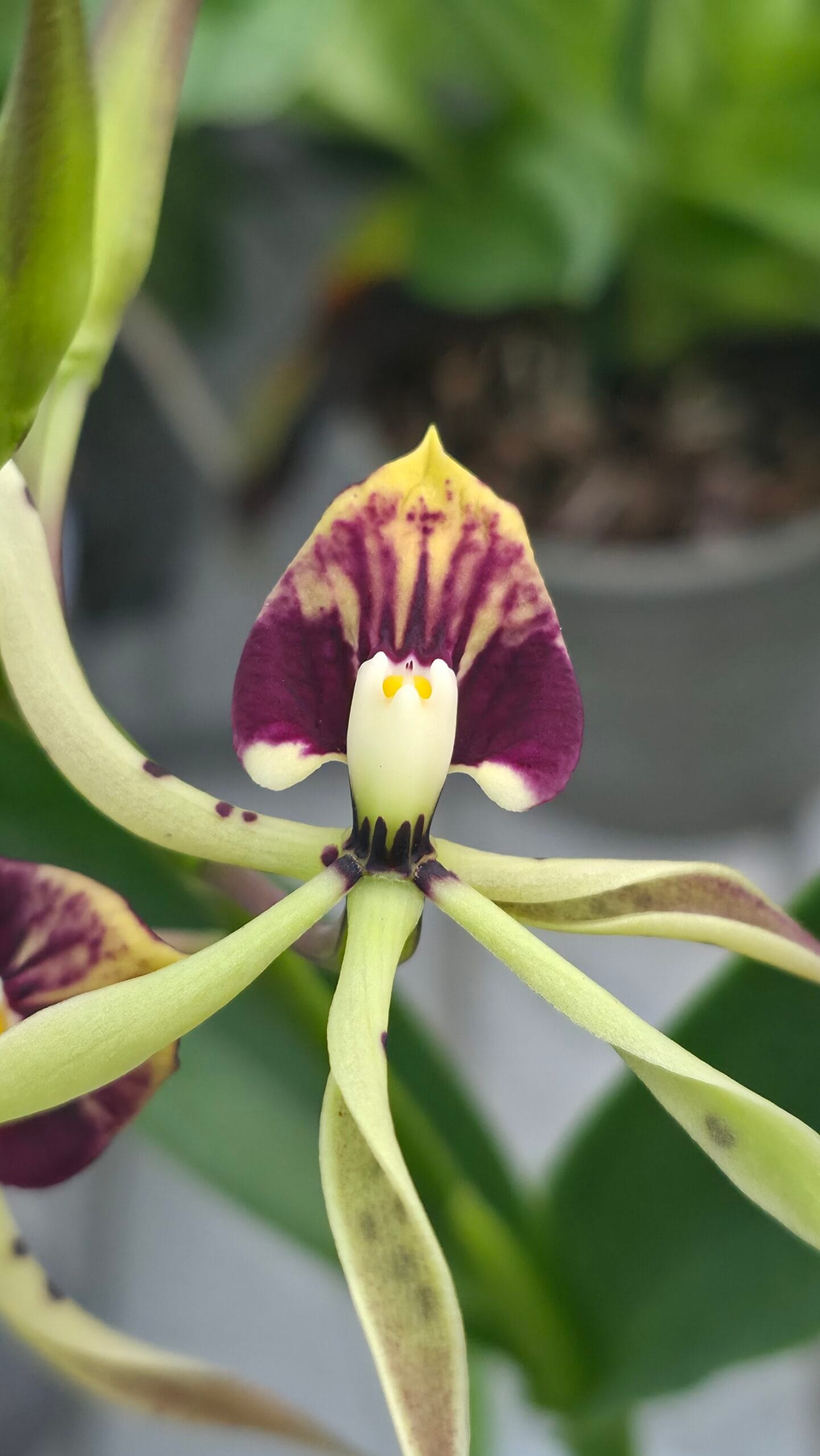
Prosthechea cochleata€25.00€30.00

Talk to us to find out when it is back, or let us suggest an alternative.
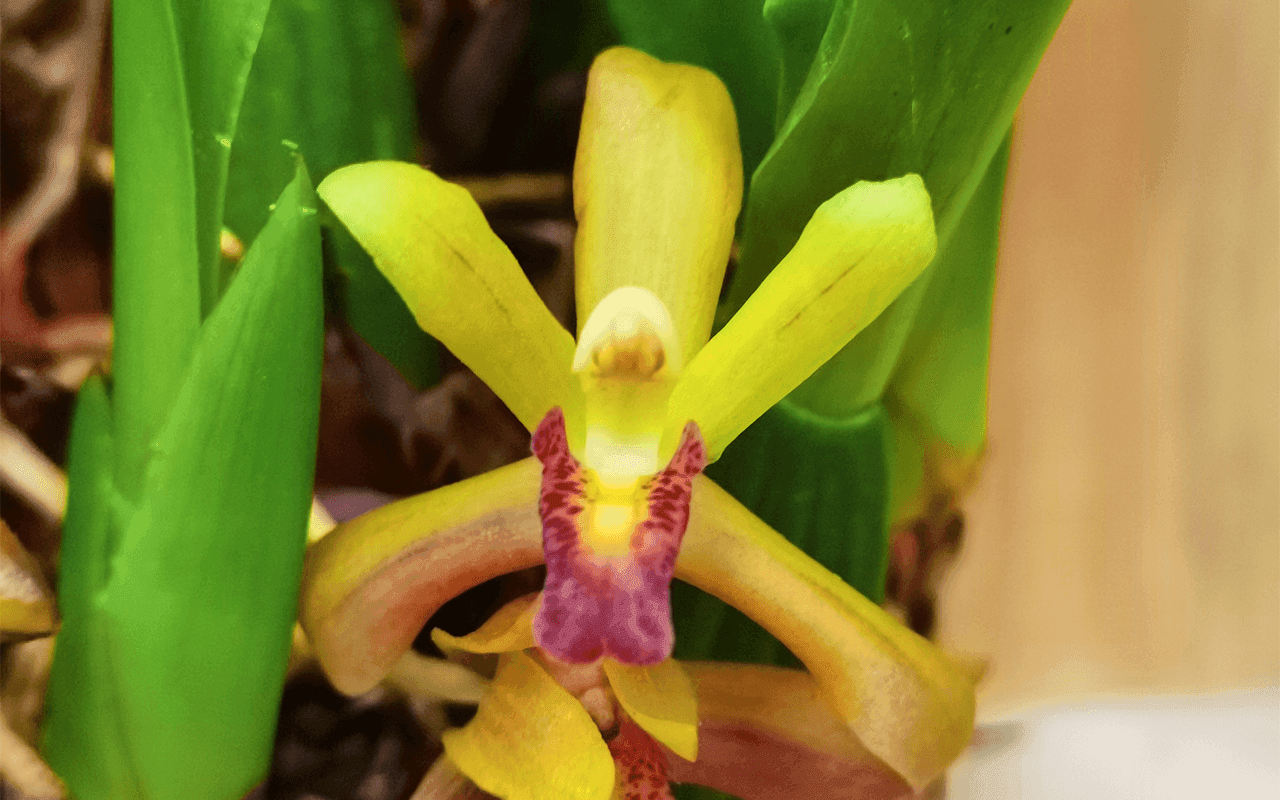
The Maxillaria rufescens is one of the most beloved and sought-after botanical species among orchid collectors worldwide. Native to the tropical forests of South and Central America — including regions of the Amazon, Colombia, Venezuela, Ecuador and Brazil —, this compact epiphytic orchid stands out for its incredible ability to perfume any space with a sweet, intense aroma reminiscent of vanilla and cocoa.
Belonging to a botanical group characterised by ovoid, single-leaved pseudobulbs, Maxillaria rufescens produces short flower spikes at the base of the pseudobulbs, each bearing a solitary flower with a waxy texture and great durability. The petals and sepals display shades ranging from orange-yellow to reddish-brown (hence the specific epithet rufescens, meaning "reddish"), complemented by a purplish or crimson speckled lip of great aesthetic beauty.
To keep your Maxillaria rufescens healthy, with vigorous vegetative growth and abundant annual blooms, follow this set of essential growing recommendations developed for neotropical epiphytic orchids.
Maxillaria rufescens thrives on a balance between moderate and bright light. In its native region, it grows on the trunks and middle branches of tropical trees in filtered light. Grow your plant in a spot with good indirect light, such as near east- or west-facing windows. Avoid direct sunlight during the middle of the day so as not to scorch the leaf tissue. Healthy, light green leaves indicate that the light level is ideal.
This species adapts very well to temperate to warm climates, preferring daytime temperatures between 20°C and 28°C. At night, it tolerates a drop in temperature to between 15°C and 17°C, which encourages flowering. Protect the plant from frost and cold draughts in winter. Good air circulation is essential to prevent fungal diseases on the leaves and pseudobulbs.
Maxillaria rufescens appreciates relative air humidity levels of between 60% and 80%. During the active growth phase (spring and summer), water regularly to keep the substrate slightly moist, allowing the surface layer to dry out slightly between waterings. In winter, as temperatures and growth slow down, reduce the frequency of watering, but without letting the pseudobulbs become excessively wrinkled from dehydration.
As an epiphytic orchid, Maxillaria rufescens needs a substrate with excellent drainage and aeration around the roots. Grow it in perforated plastic pots, clay pots or cork slabs. For pot cultivation, we recommend a mix of medium-grade pine bark combined with perlite and sphagnum moss for balanced moisture retention.
To ensure strong development and well-nourished pseudobulbs, regularly apply high-quality fertilisers specifically for orchids. During the sprouting and leaf growth phase in spring and summer, use Orchid Focus Grow fertiliser fortnightly at a gentle dose.
When the new pseudobulbs reach their mature size and are ready to produce flower buds, switch to Orchid Focus Bloom. This formulation, with a higher concentration of phosphorus and potassium, stimulates the formation of flower spikes and enhances the intensity of the flower's aroma and colours.
Explore our full range of supplements and fertilisers in the orchid fertilisers category. For botanical details and taxonomic updates on the species, consult the official database of Plants of the World Online (Kew Science).
Add the impressive and fragrant Maxillaria rufescens to your orchid collection and enjoy a truly unique sensory experience in your space!
Só falta a florNews from our greenhouse in Fernão Ferro, for people who grow with passion.
By subscribing, you accept our Privacy policy. You can unsubscribe at any time.