Maxillaria schunkeana: The "Almost Black" and Mysterious Orchid
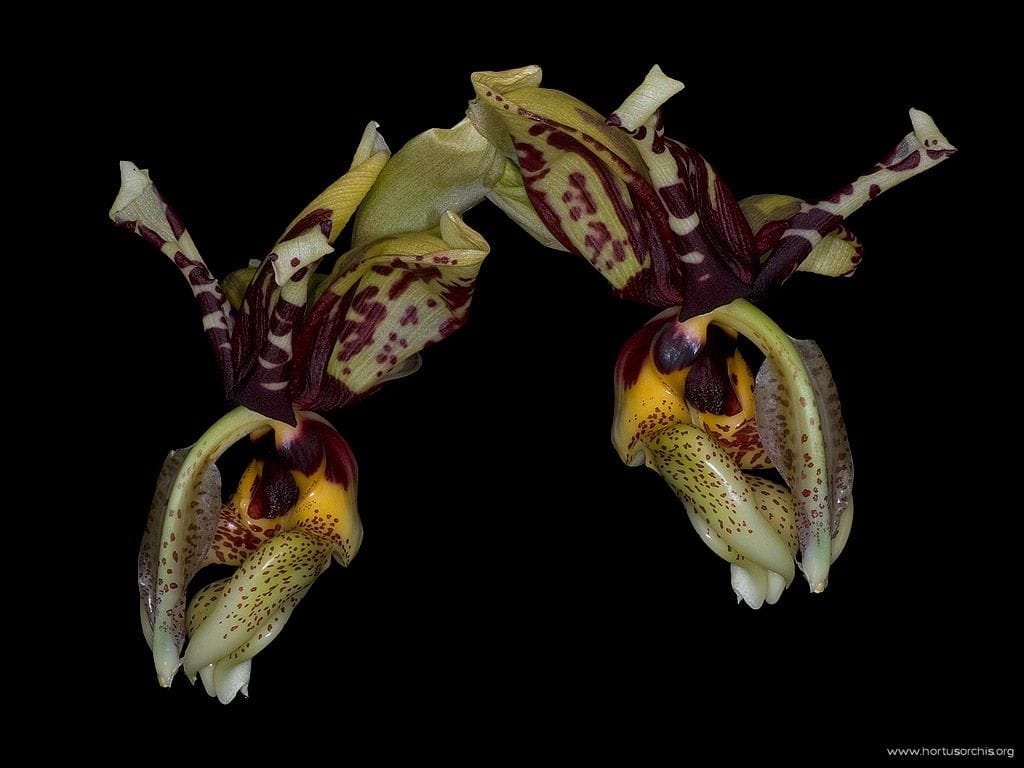
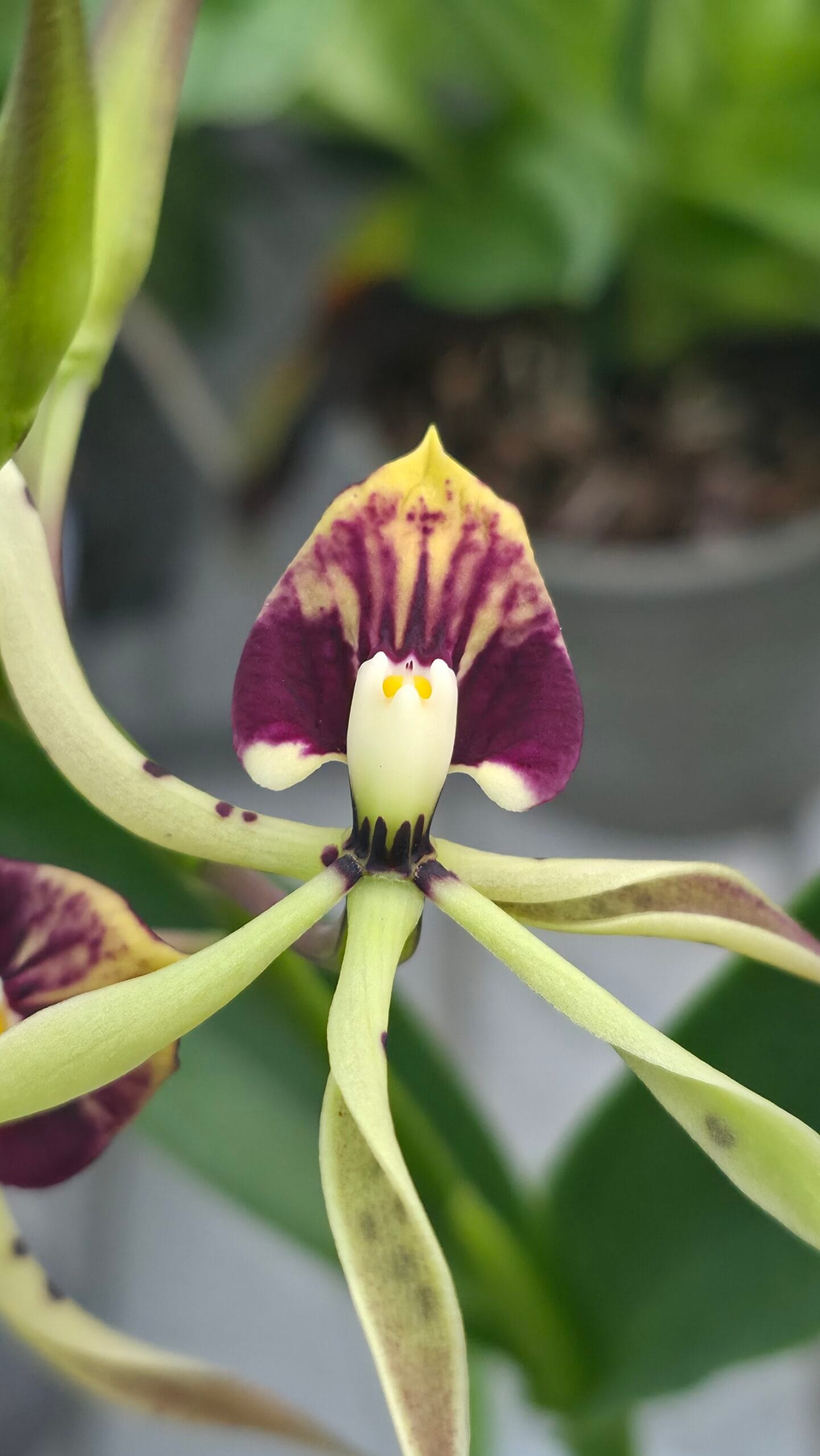
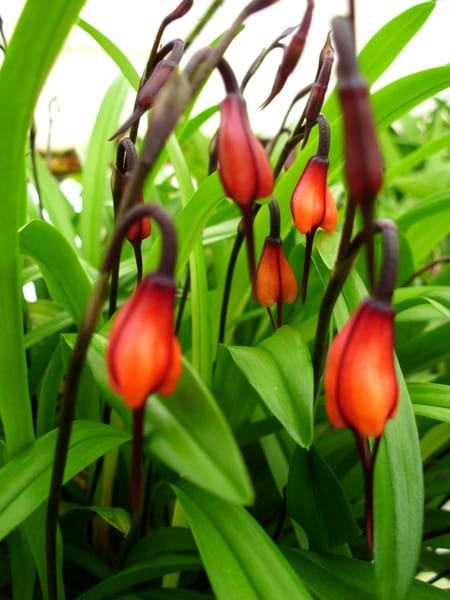
The Maxillaria schunkeana is an intriguing and rare orchid, notable for its flowers in a wine red so deep that they appear almost black. Its unusual, compact appearance makes it a prized find among collectors.
Key Features
- Exceptional Flower Colour: The flowers of the Maxillaria schunkeana are small but striking, with an intensely dark colouring that ranges from deep wine red to purple-brown, giving the illusion of being black.
- Epiphytic Growth Habit: In its natural habitat (the tropical forests of Espírito Santo, Brazil), it grows on trees, using them for support. It is a small to miniature epiphytic orchid.
- Frequent Flowering: This species can present the grower with flowers at different times of the year, emerging individually from the base of the pseudobulbs.
- Compact Foliage: It has small pseudobulbs and narrow, elongated leaves, forming a dense, compact clump.
Growing the Maxillaria schunkeana
- Light: It prefers bright, indirect light to partial shade. It is essential to avoid direct sun, as it can easily scorch the leaves.
- Temperature: It enjoys mild to warm temperatures, ideally between 18°C and 26°C during the day, with a slight drop at night.
- Humidity: It requires high air humidity, ideally between 60% and 80%, to mimic its forest environment.
- Watering: Keep the substrate consistently moist, but never waterlogged. It does not have a pronounced dry resting period and does not tolerate long periods of drought. Water before the substrate dries out completely.
- Substrate: Use a substrate that retains moisture but is very well drained. A mix of sphagnum moss, fine pine bark and perlite is a good option. It can be grown in pots or small cachepôs.
- Feeding: Fertilise regularly but in a diluted form, using a balanced fertiliser (1/4 of the recommended dose) during the active growing period.
- Repotting: Repot every 1-2 years, or when the substrate has broken down or the plant has outgrown its pot.
Additional Care
- Ventilation: Ensure excellent air circulation to prevent rot, especially in conditions of high humidity.
- Water Quality: Prefer rainwater, distilled water or reverse osmosis water, as it is sensitive to salt build-up.
- Pests and Diseases: Watch out for mealybugs and fungi, which can appear if ventilation is insufficient. Treat any problem promptly.
With proper care, the Maxillaria schunkeana will flower, displaying its unusual, dark blooms that bring a touch of mystery and fascination to your collection.