Natural Forms
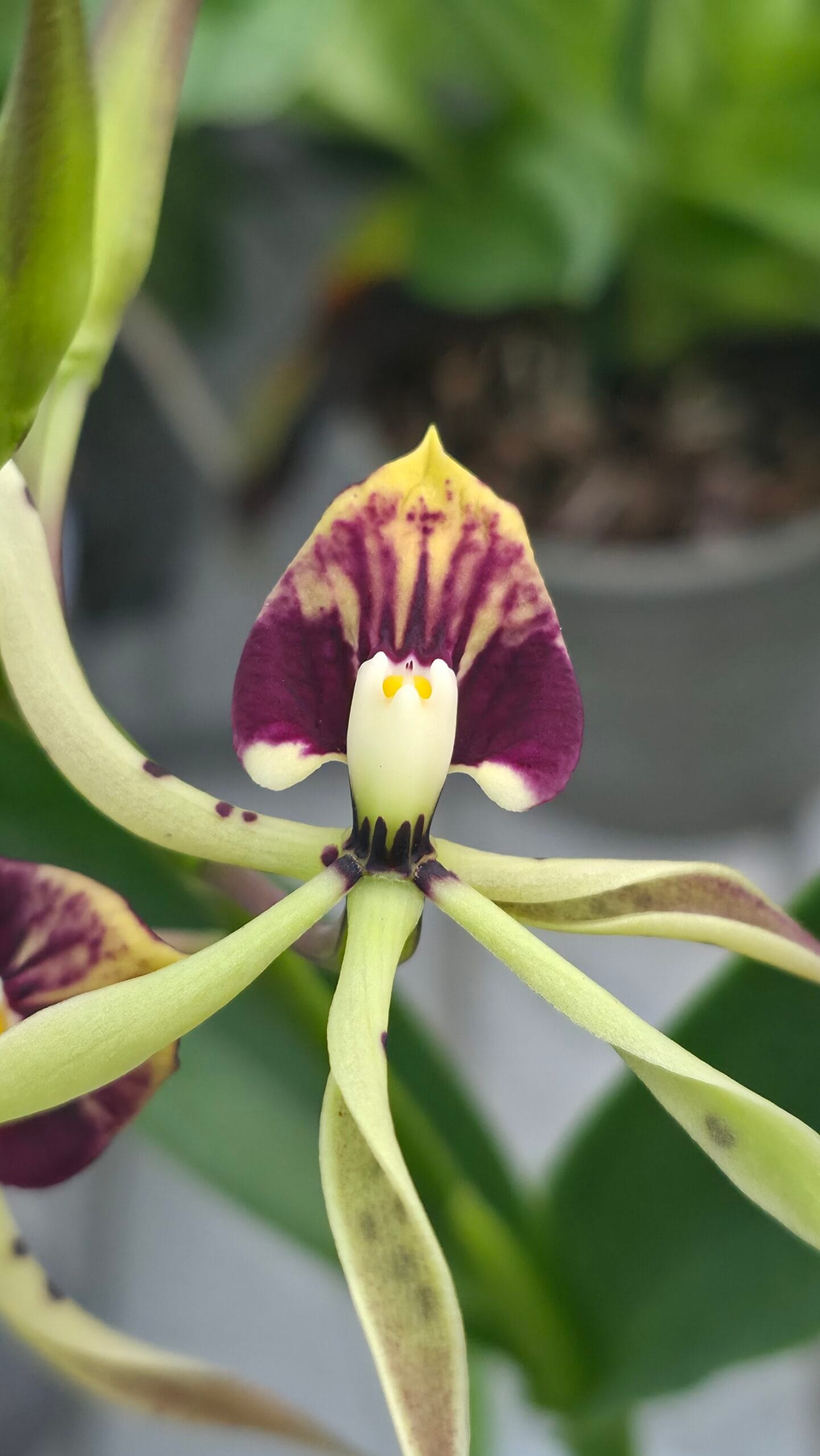
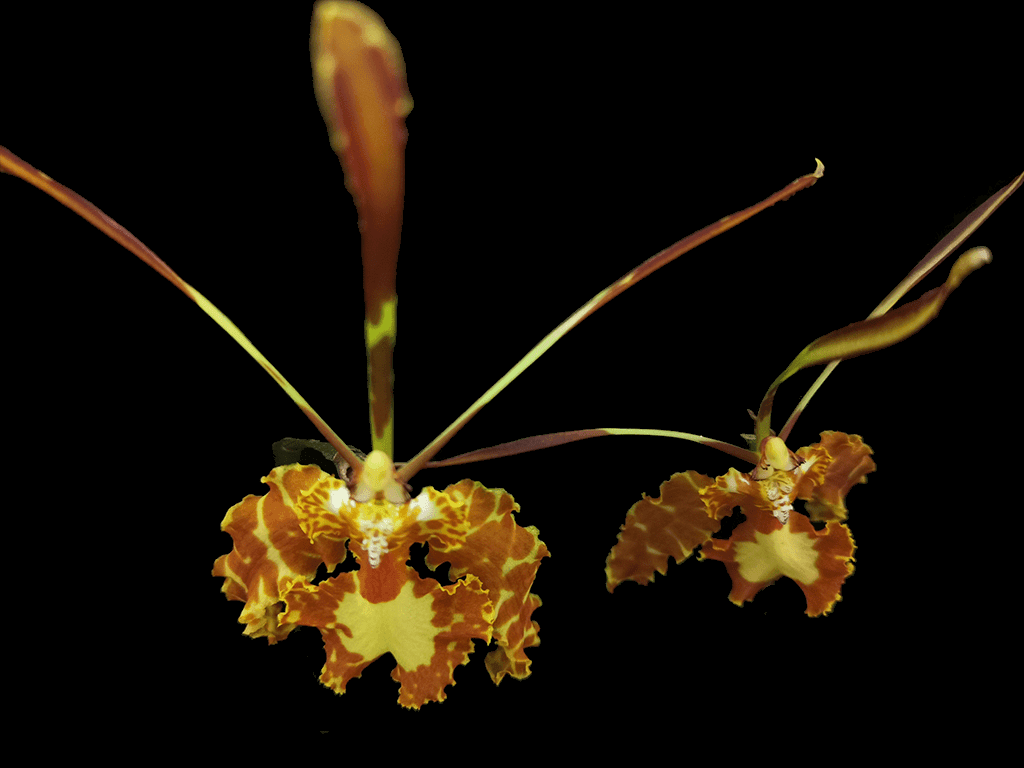
Psychopsis Mariposa ‘Green Valley’€35.00


Talk to us to find out when it is back, or let us suggest an alternative.
Maxillaria is a very large genus of orchids, with some 500 Neotropical species, and most of them are quite fragrant.
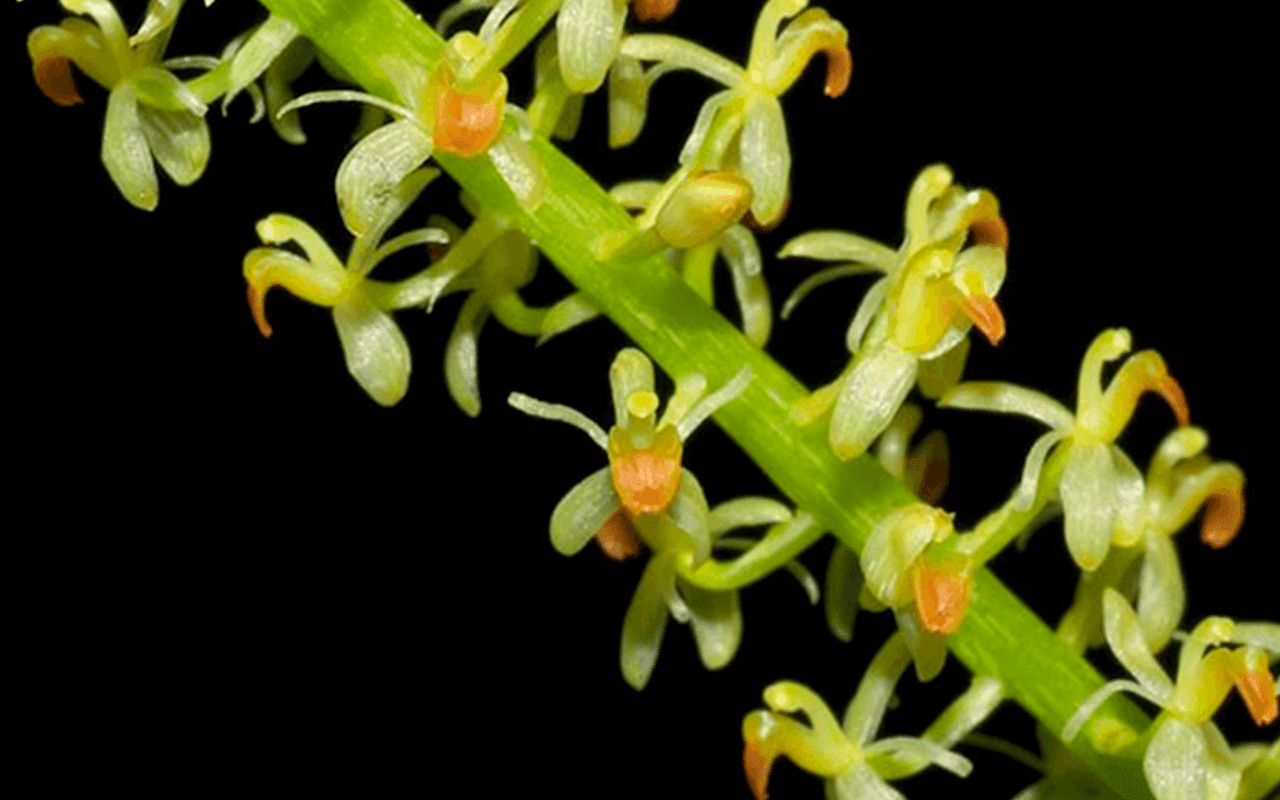
They produce a great many flowers, which are mostly small; some are only 1.5 cm across, while others can reach up to 15 cm in diameter. They grow very quickly into large specimens, as the rhizomes can produce multiple new growths each year.
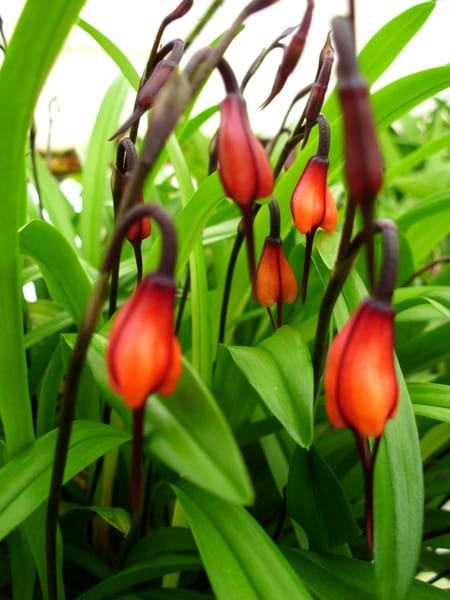
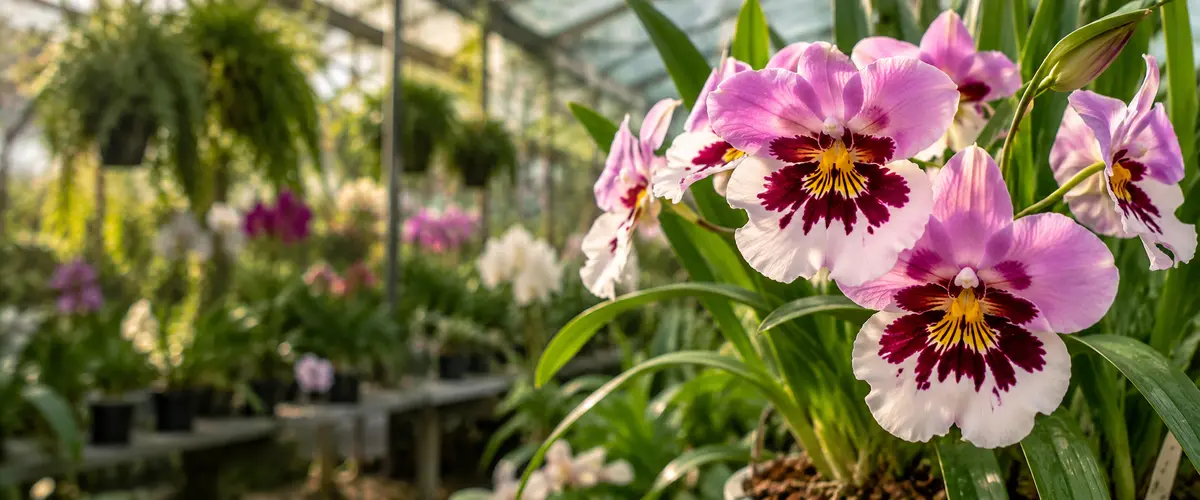
They come in a range of colours, including white, yellow, brown, various shades of red, dark purple and even black. Some resemble small flames because of their orange colouring, while others are yellow with brown stripes very much like a tiger's coat.
The genus name derives from the Latin “Maxilla” or “jaw”, because the lips resemble jaws.
The natural habitats of the species vary considerably in altitude, so their temperature requirements also vary widely. Start with average temperatures (20°C to 29°C) and see whether they need more or less. If in doubt, research your particular species more thoroughly.
Provide high light, the same as that used for Cattleya orchids.
As for the potting mix, they like plenty of air around the roots, as they are epiphytes, but they also like to stay moist. For this reason, sphagnum moss works very well, as it absorbs excess water from watering and uses it to dampen the roots. You may also choose to grow them mounted on tree trunks: simply tie them on and add a little sphagnum moss around the roots. These orchids have aerial roots, but it is the lower roots that need moisture most.
They do not like to dry out too much, so water them as soon as the medium approaches dryness.
Most species like high humidity, around 70%. As the rhizomes generally grow out over the edge of the pot and spread, high humidity is essential so that the aerial roots can absorb it.
News from our greenhouse in Fernão Ferro, for people who grow with passion.
By subscribing, you accept our Privacy policy. You can unsubscribe at any time.