Maxillaria sophronitis: A Charming Mini Orchid
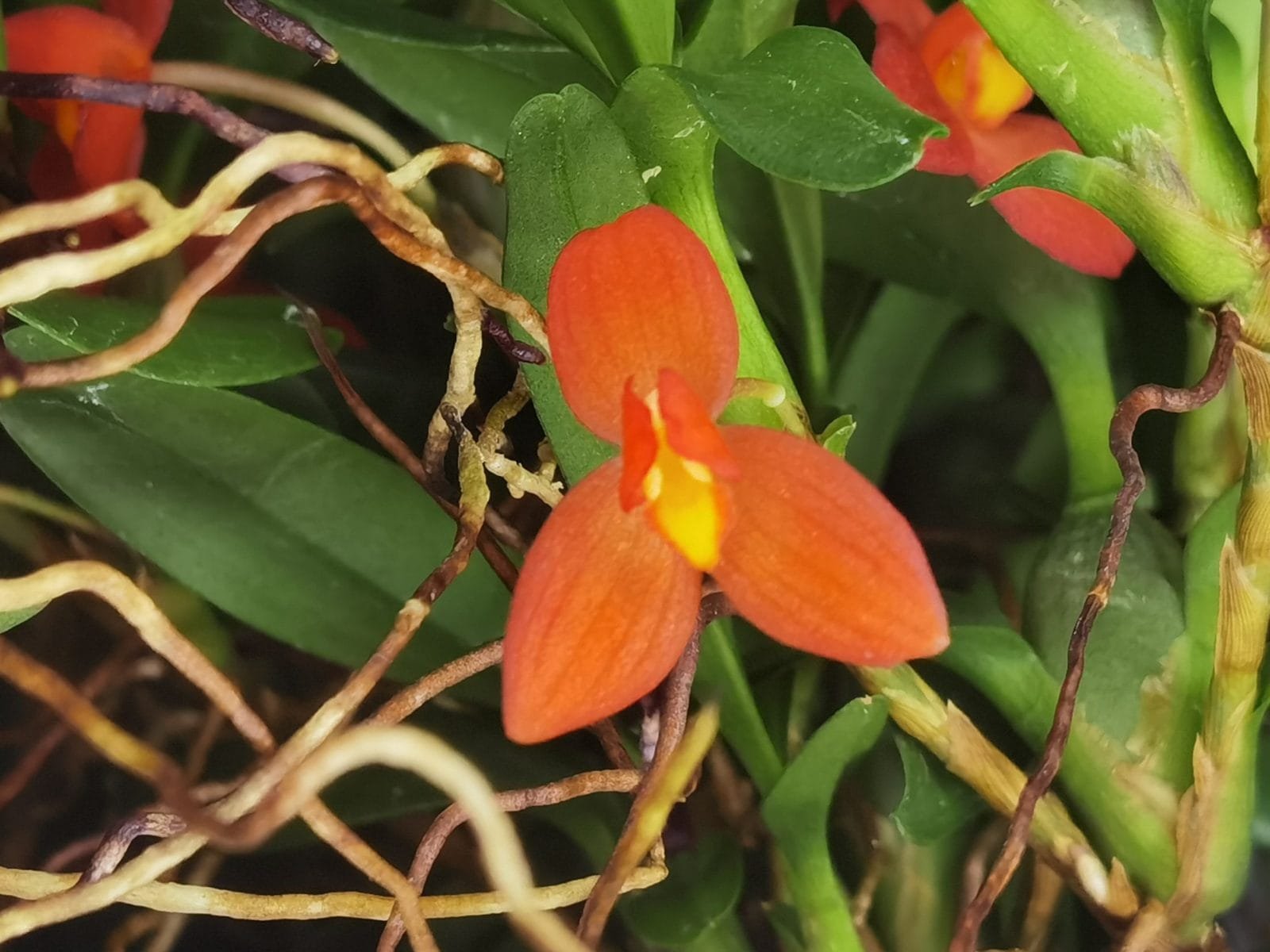
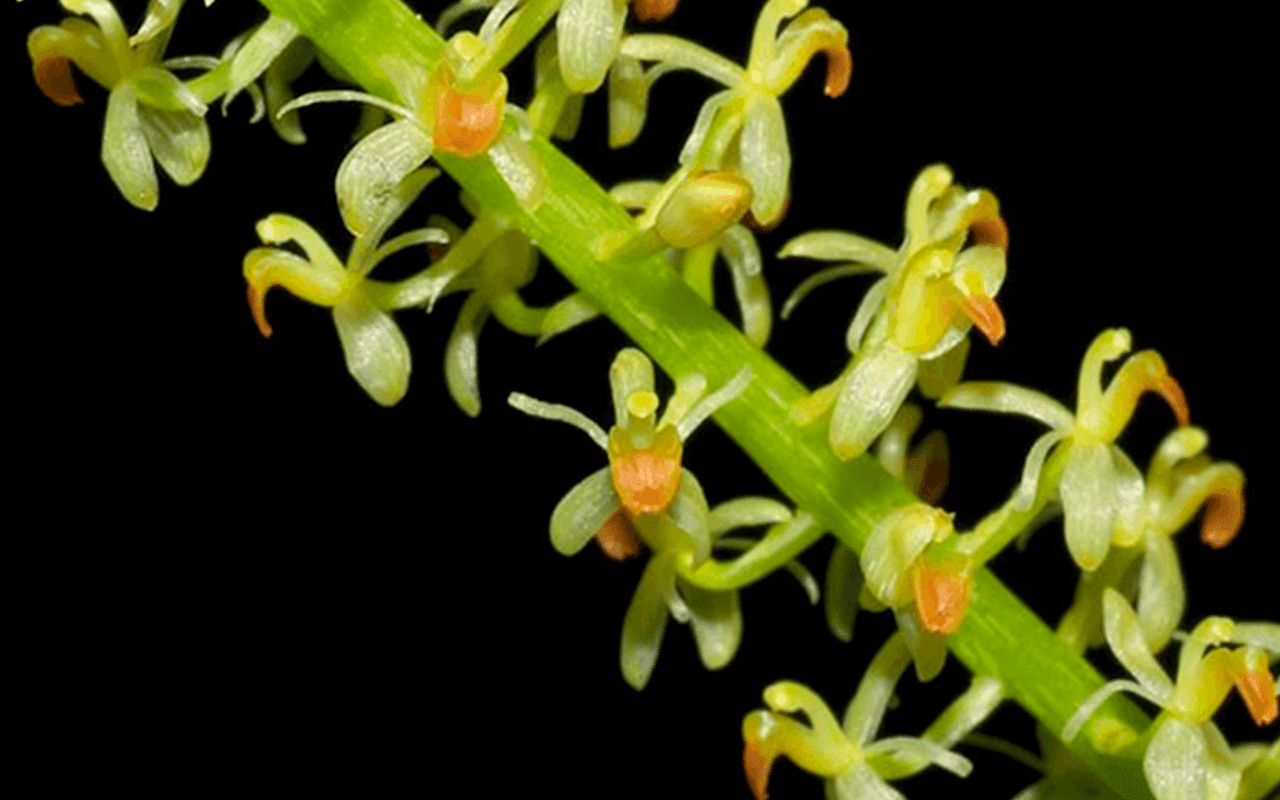
A Maxillaria sophronitis is a small epiphytic orchid, known for its vibrant and delicate flowers. It is an easy-to-grow plant, ideal for beginner and experienced collectors alike.
Key Features:
- Compact Size: It is a small orchid, perfect for limited spaces.
- Vibrant Flowers: The flowers are small but very pretty, usually in shades of red, orange or yellow.
- Growth Habit: It is an epiphytic orchid, meaning it grows on other plants, using them as support.
Growing Maxillaria sophronitis:
- Light: Prefers bright, indirect light. Avoid direct sun, especially during the hottest hours of the day.
- Temperature: Prefers mild temperatures, with a difference between day and night of around 5-10°C.
- Humidity: High humidity is beneficial, but avoid excessive humidity. Keep relative humidity between 60-70%.
- Watering: Water regularly, allowing the substrate to dry slightly between waterings. Avoid waterlogging the substrate.
- Substrate: Use a substrate specific to epiphytic orchids, with good drainage. A mix of pine bark, charcoal and sphagnum moss is a good choice.
- Feeding: Fertilise monthly during the growing period with a balanced orchid fertiliser, diluted to half strength.
- Repotting: Repot every 2-3 years, or when the substrate has broken down or the roots are filling the whole pot.
Additional Care:
- Ventilation: Ensure good air circulation to prevent fungal diseases.
- Pests and Diseases: Watch out for pests such as mealybugs and aphids. Treat any problem promptly.
With proper care, the Maxillaria sophronitis can flower annually, bringing beauty and fragrance to your home.