Bulbophyllum
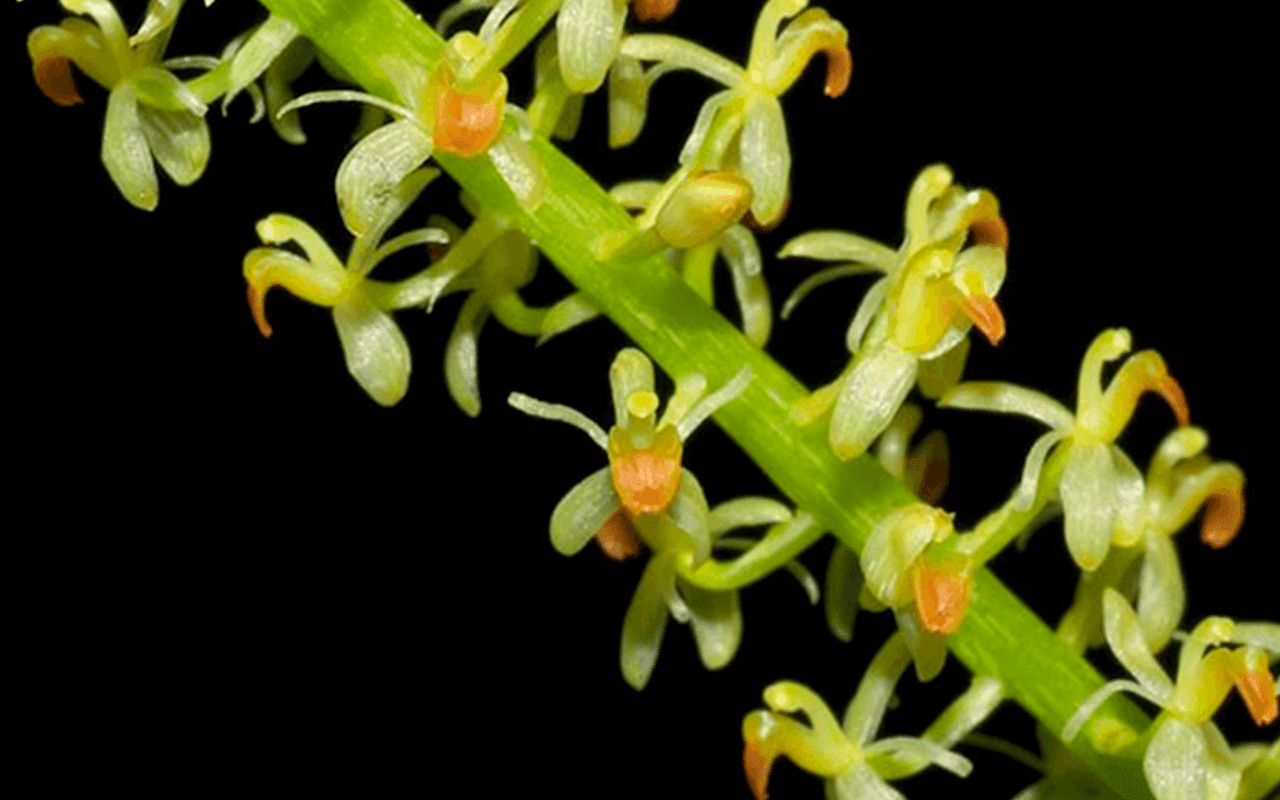
Bulbophyllum falcatum€22.00


Talk to us to find out when it is back, or let us suggest an alternative.
These plants are native to a wide area stretching from southern Mexico to south-eastern Brazil, with Peru as their main centre of dispersal. They are usually found in tropical forests, growing epiphytically at altitudes below 1,400 metres.
It is an easy-to-grow orchid that accepts various types of growing medium, as long as you keep it moist.
It flowers several times a year, but you need to keep an eye on it
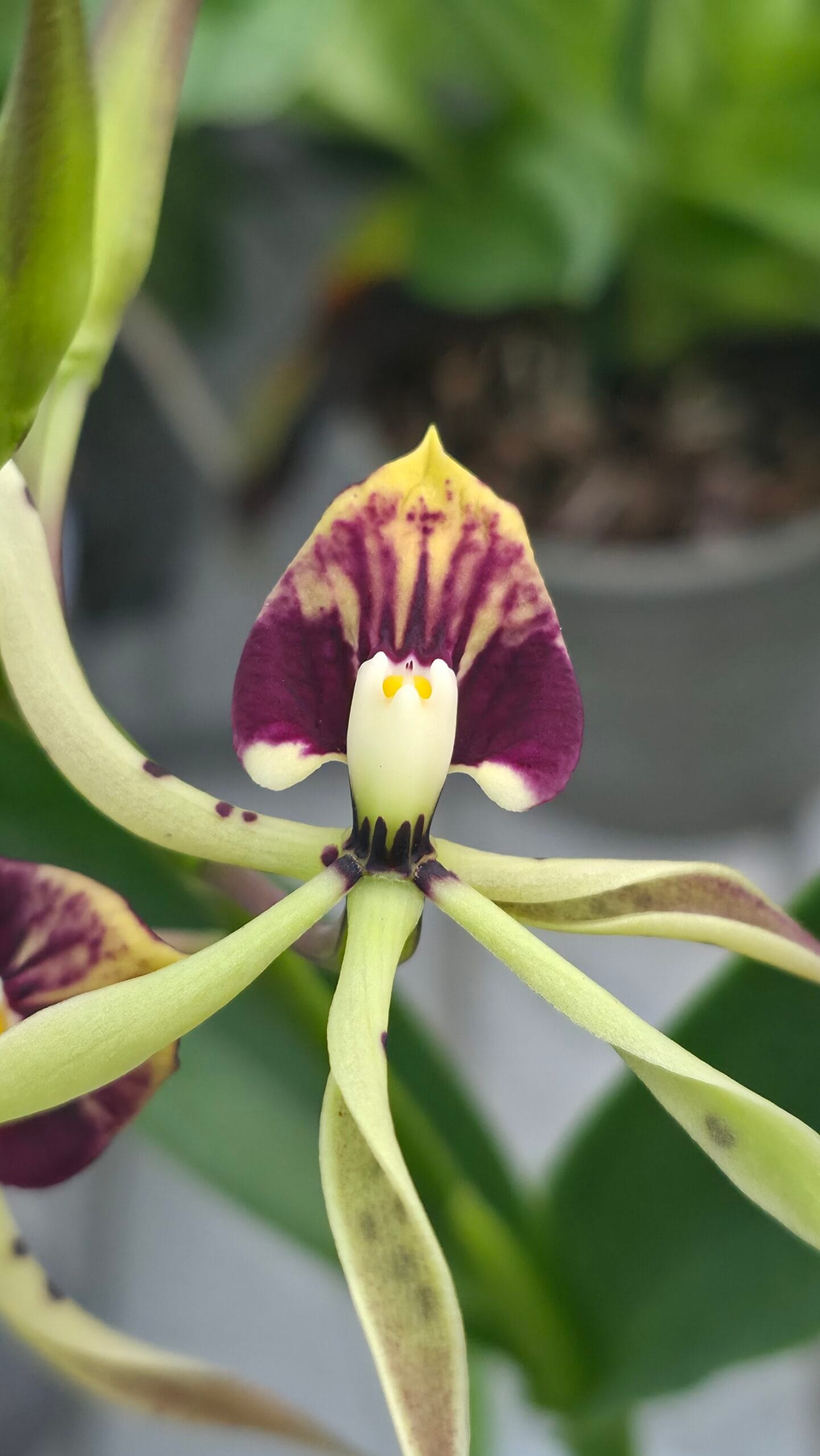
This lovely orchid is native to Central America and southern Mexico, where it grows epiphytically in shady, humid forests at altitudes below 1,400 metres.
The name of this species, ringens, comes from Latin and means “rigid”, referring to the strong, upright inflorescences of this plant.
The natural habitats of the species vary considerably in elevation, so temperature requirements also vary widely. Start with average temperatures (20°C to 29°C) and see whether it needs more or less. If you are unsure, research your particular species in more depth.
Provide high light, the same as used for Cattleya orchids.
As for the potting mix, they like plenty of air around the roots as they are epiphytes, but they also like to stay damp. For this reason, sphagnum moss works very well, as it absorbs excess water from watering and uses it to moisten the roots. You can also grow them mounted on tree trunks: simply tie them on and add a little sphagnum moss around the roots. These orchids have aerial roots, but it is the lower roots that need moisture the most.
They don't like to dry out much, so water them as soon as they approach dryness.
Most species like high humidity levels, around 70%. As the rhizomes usually grow out over the pot and spread, high humidity is essential so that the aerial roots can absorb it.
News from our greenhouse in Fernão Ferro, for people who grow with passion.
By subscribing, you accept our Privacy policy. You can unsubscribe at any time.