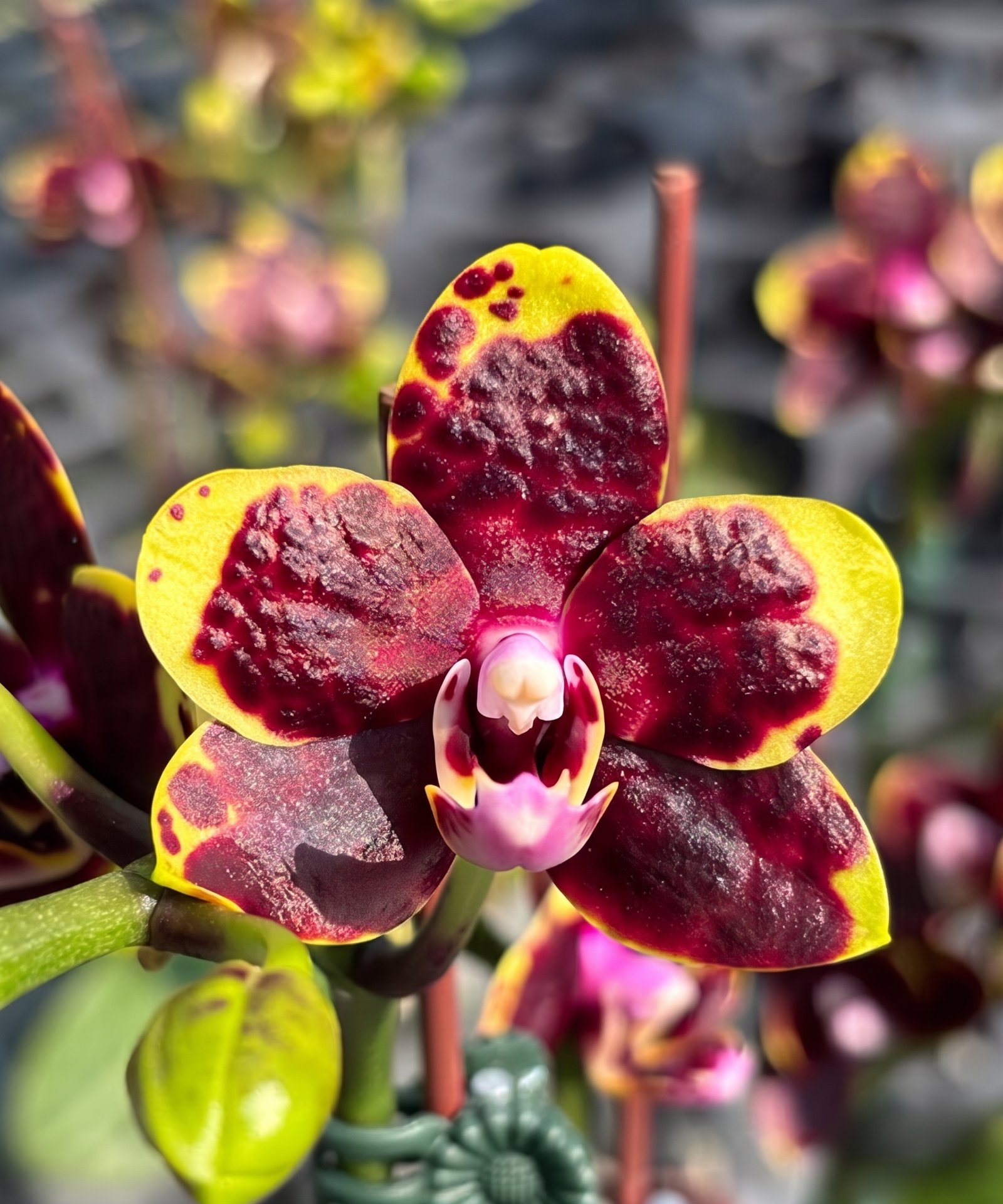
Phalaenopsis
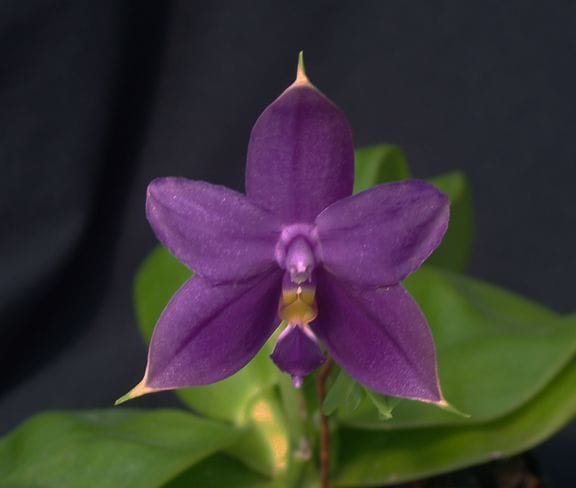
Phalaenopsis Miki Book Boy€29.90

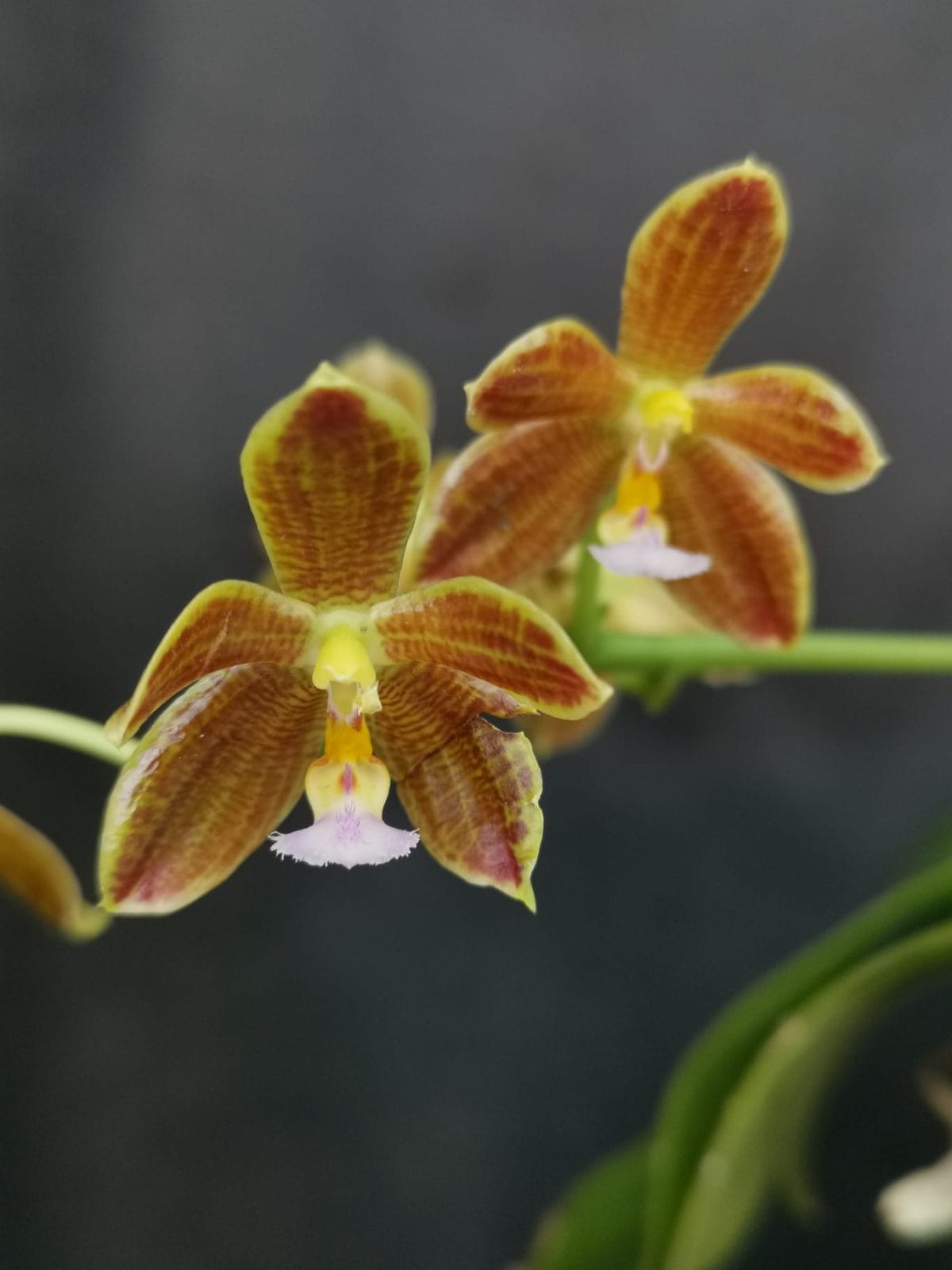
Talk to us to find out when it is back, or let us suggest an alternative.
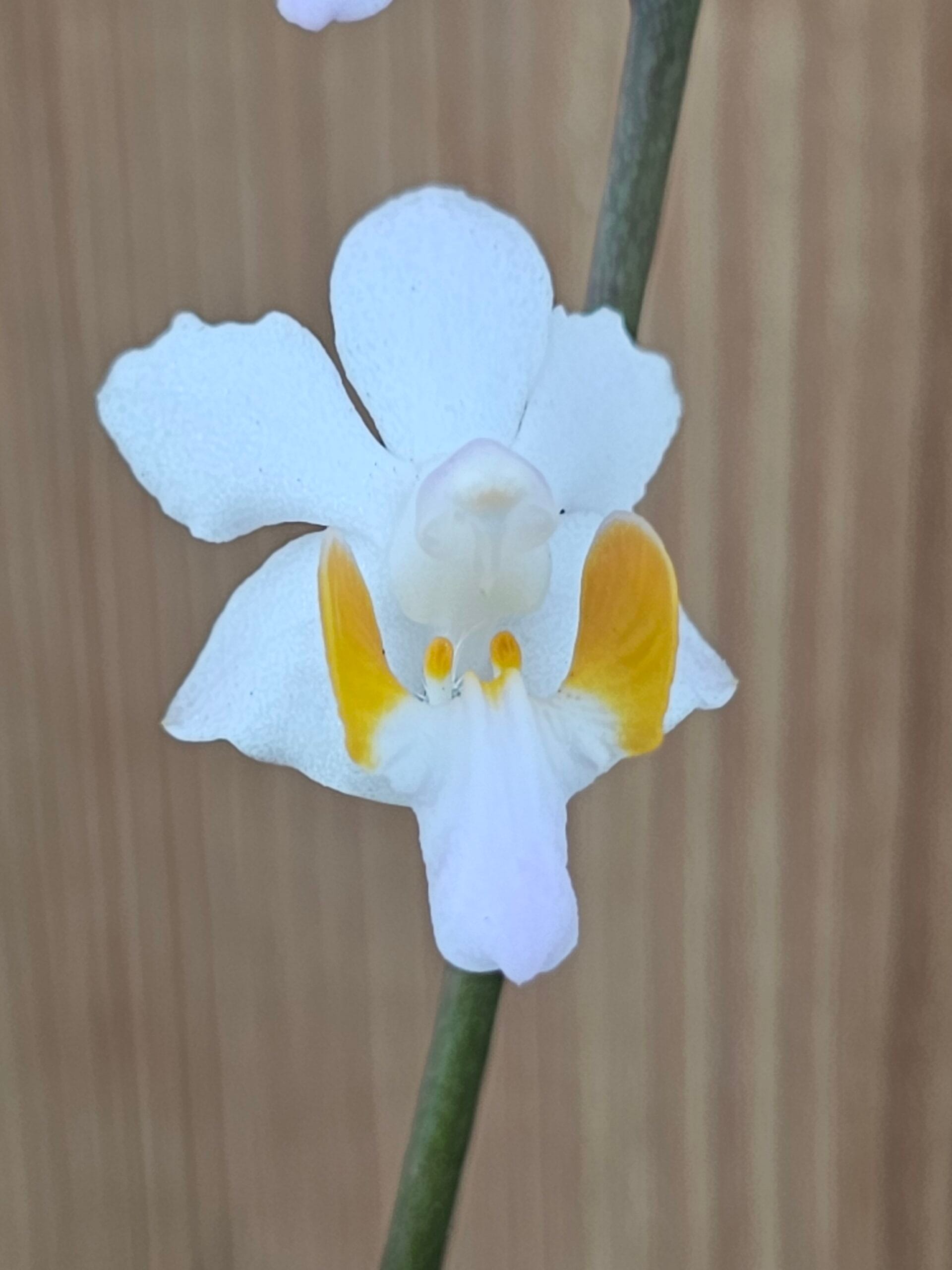
As Phalaenopsis, also known as moth orchids, for this reason, in this article I will look in a little more depth at how to care for Phalaenopsis orchids and the questions most frequently asked by beginners.
If you have bought or been given a Phalaenopsis as a gift, it is quite likely you have questions such as:
These orchids are native to South-East Asia, but today there are thousands of hybrids produced by people, many of them quite different from the wild species.
In any case, the care is the same for all of them; in fact, most varieties were bred to be easy to grow at home for beginners.
In nature, Phalaenopsis grow as epiphytes, that is, clinging to tree trunks. When grown at home, they should not be planted in soil but in a pot with a mix of substrates such as coconut husk, pine bark or other good-quality materials; this is important because these substrates provide ideal drainage and air circulation for the roots.
As the substrates age and break down, the roots risk suffocating because there is no longer enough air circulation and drainage, so it is necessary to repot them every 2 or 3 years; this applies to most of these orchids.
They have monopodial growth, meaning there is a central stem that supports the leaves, which grow alternately upwards, unlike sympodial orchids, which grow sideways. As a result, Phalaenopsis rarely outgrow their pot with their roots.
Because they have no pseudobulbs or other means of storing water, they do not like to dry out completely, so it is best to water them as the substrate approaches dryness, which usually means about 1 or 2 times a week.
The most common reason these orchids die in beginners' hands is overwatering, so do not keep them wet all the time, as the roots may rot and attract diseases and pests.
To water your Phalaenopsis, take it to the sink and let the water run freely over the whole substrate and drain out through the bottom of the pot.
Another way is to submerge the pot in water until the substrate stops bubbling; avoid wetting the top of the plant so that water does not get trapped in any crevice and cause unnecessary rot.
You can feed it once a week, for example by dissolving the fertiliser in the water you use for watering; this is important so that the orchids grow stronger and healthier.
When the flowering period ends, the stems that were holding the flowers may bloom again in the coming years, provided they stay green; if they turn brown, pruning will be necessary.
They need low light. For many orchids this may be too little, but for them it is sufficient. You can grow it on a windowsill facing east or south, lightly shaded by a thin curtain. Direct sunlight is a very bad idea, as it will cause serious sunburn. If the plant does not flower and the leaves are dark and soft, you need to increase the light level.
They prefer moderate to warm temperatures, around 21 to 30ºC during the day, with a drop of 6 to 8ºC at night. In general, a temperature that is comfortable for you will also be comfortable for them.
Most Phalaenopsis grow best with humidity of around 70%; to achieve this, you can use a humidity tray if necessary.
News from our greenhouse in Fernão Ferro, for people who grow with passion.
By subscribing, you accept our Privacy policy. You can unsubscribe at any time.