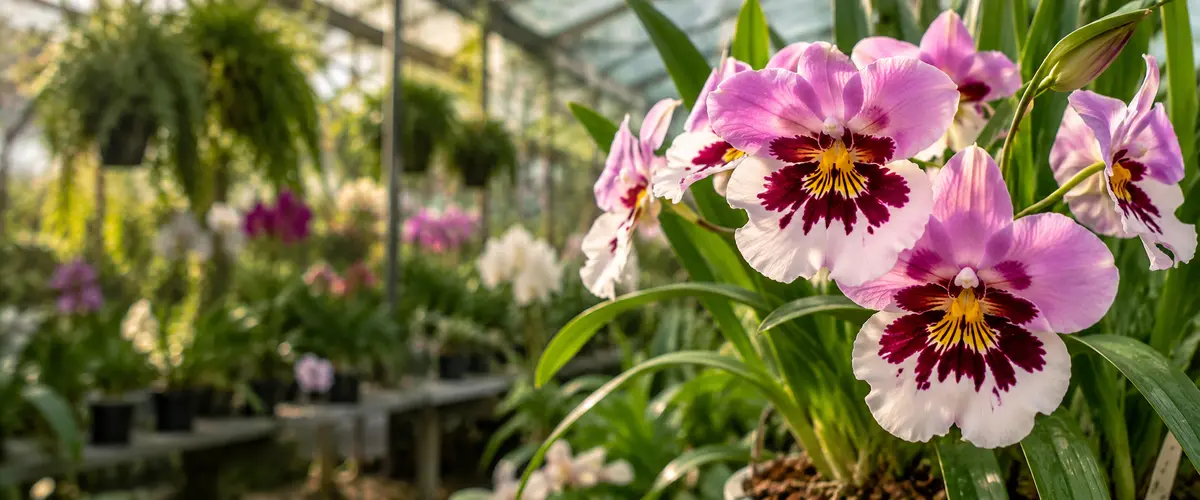
Rlc. King of Taiwan: The Vibrant Royalty of Your Collection
A Rlc. King of Taiwan is a spectacular orchid hybrid, known for its large, dazzling flowers and vibrant colours that bring a true burst of life to any space. It is a magnificent addition for collectors and enthusiasts seeking a specimen of imposing beauty.
Key Features:
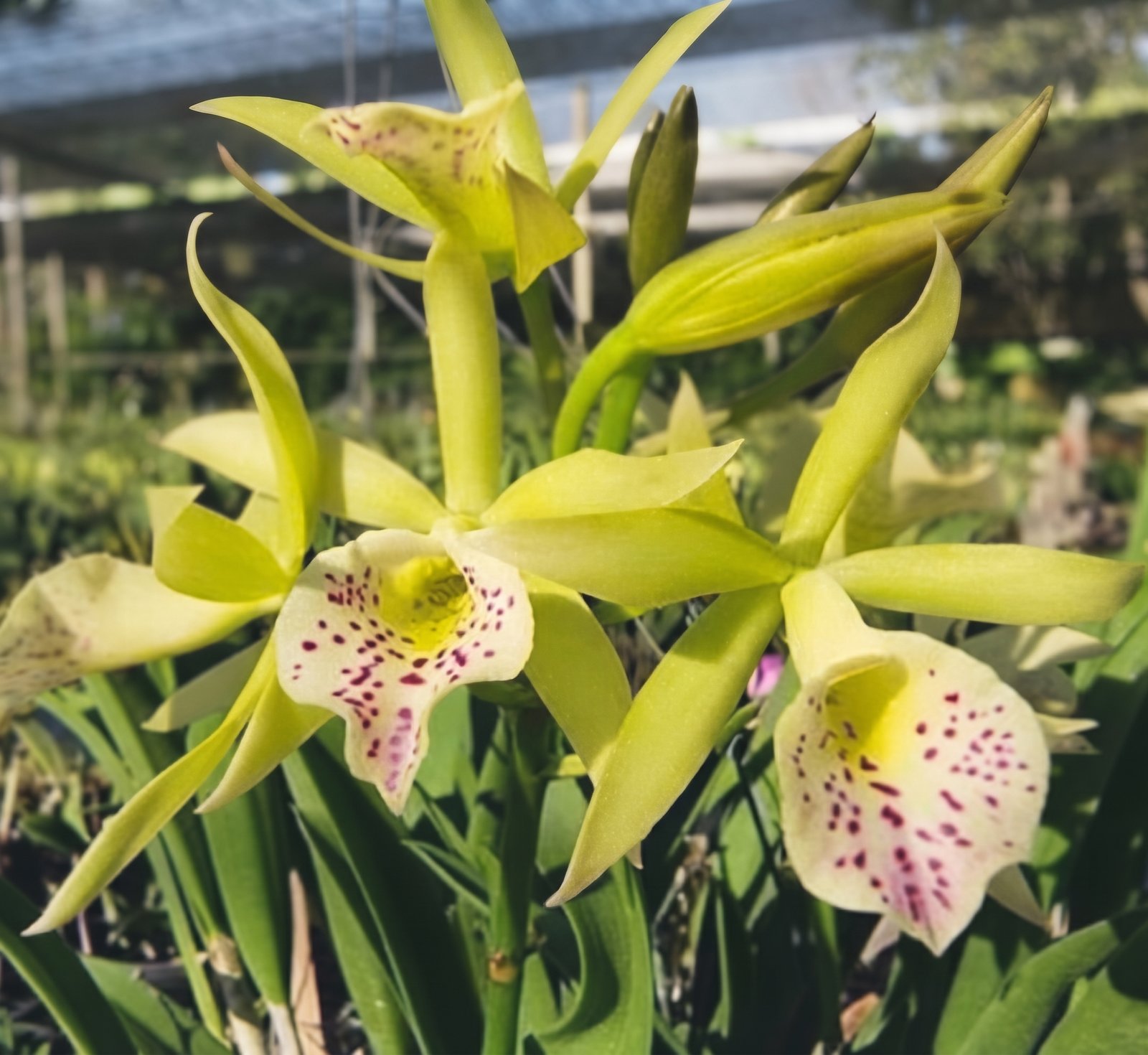
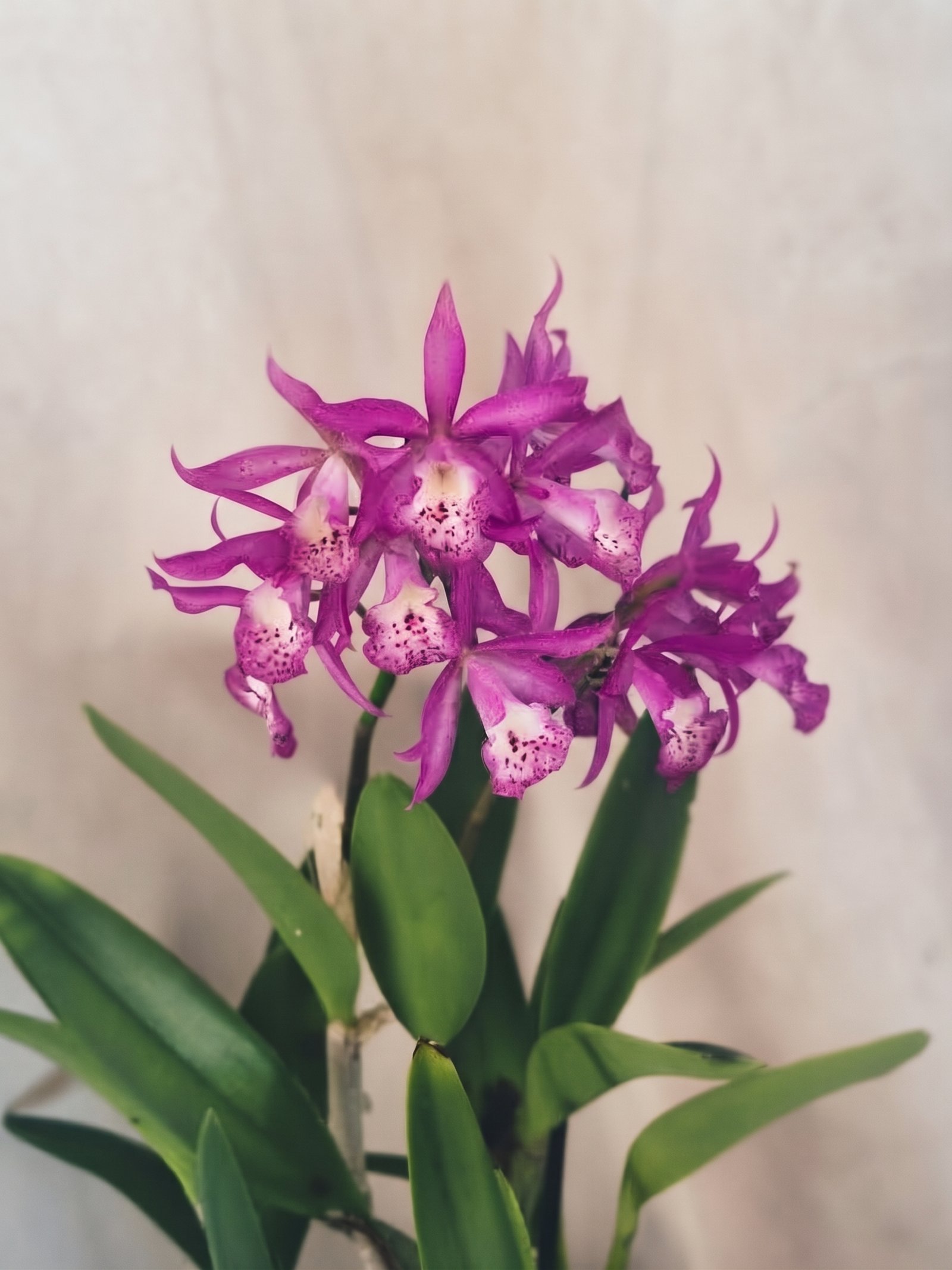
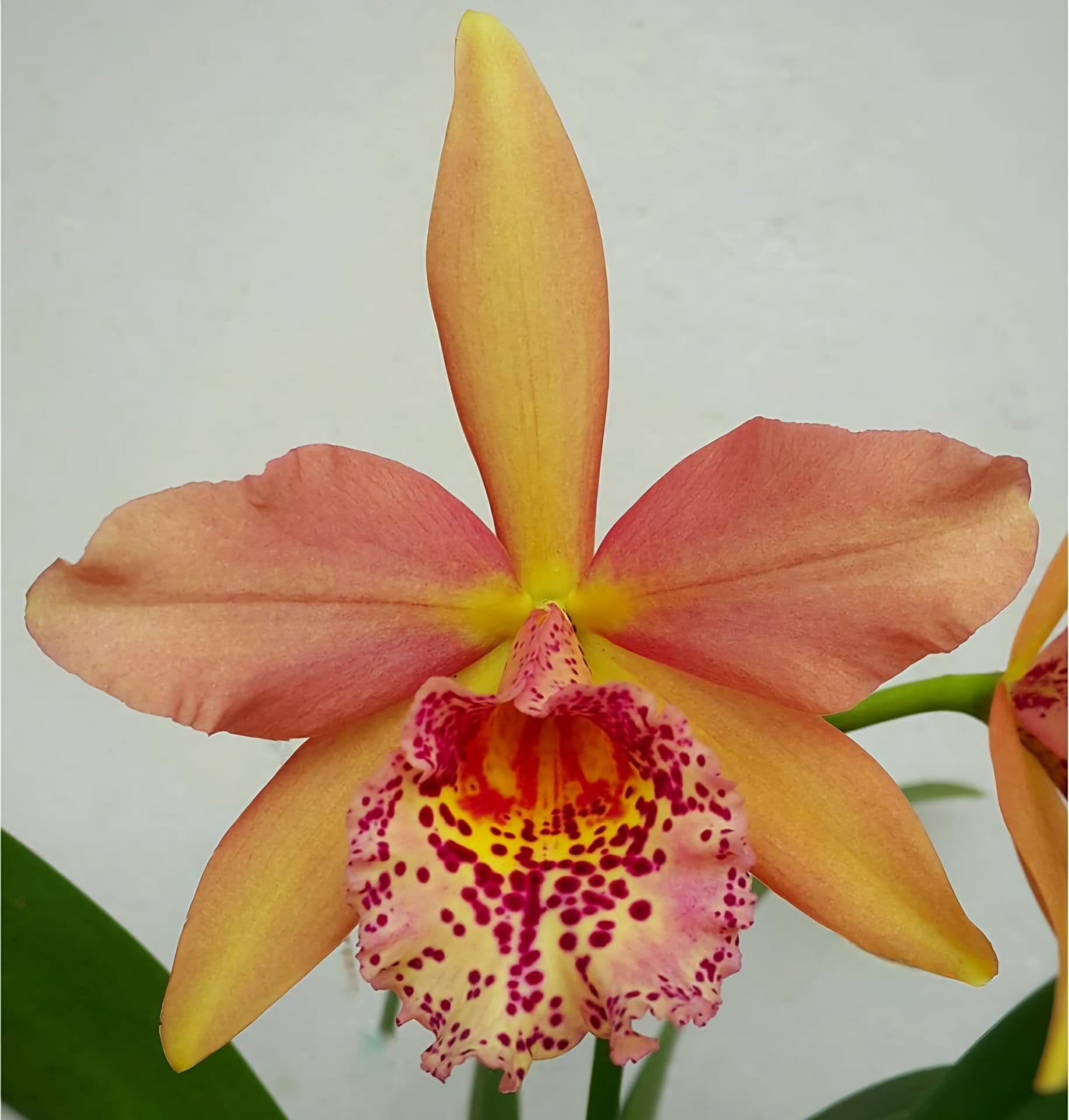
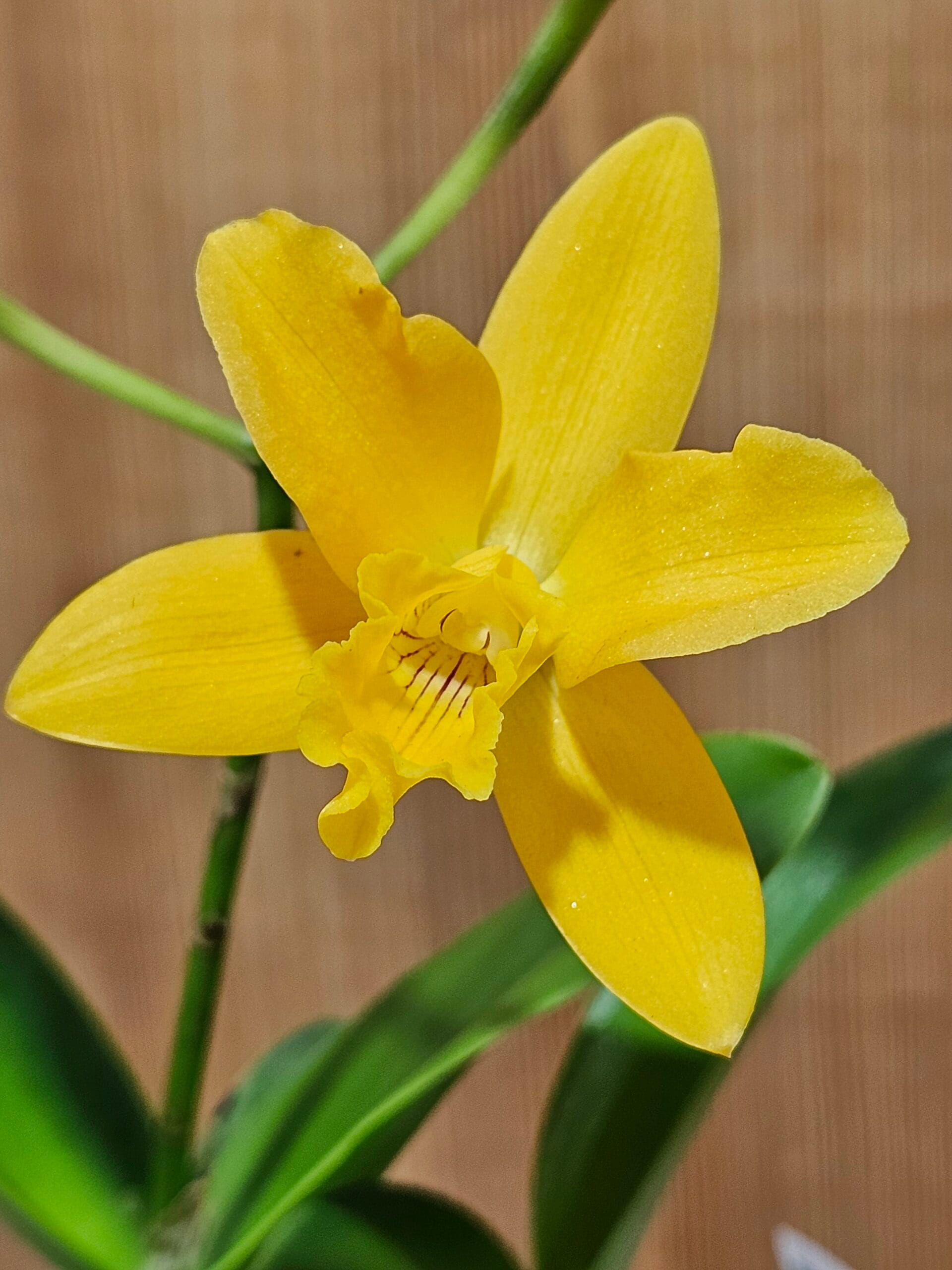
- Imposing and Vibrant Flowers: The flowers of the Rlc. King of Taiwan are remarkable for their size and the intensity of their colours, which typically include rich shades of yellow, orange and red, often with a contrasting, intricately marked lip. Each flower is a work of natural art.
- Epiphytic Growth Habit: Like most Cattleya and their hybrids, the Rlc. King of Taiwan is an epiphytic orchid. This means that, in its natural habitat, it attaches itself to trees for support, absorbing moisture and nutrients from the air and accumulated organic matter.
- Possible Fragrance: Many Rhyncholaeliocattleya hybrids are known for their fragrance. Although not all plants of this variety have a strong perfume, many may give off a soft, pleasant fragrance, especially on warm, sunny days.
Growing the Rlc. King of Taiwan:
- Light: Prefers bright, indirect light. For good flowering, it is essential that it receives plenty of light, but without direct exposure to strong sun, which can scorch the leaves. A spot near an east- or west-facing window, with some shade during peak hours, is ideal.
- Temperature: Enjoys warm temperatures. During the day, ideally it should be between 20°C and 28°C. At night, a drop in temperature to around 15°C to 18°C is beneficial for encouraging flowering.
- Humidity: Requires moderate to high humidity, between 60% and 80%. In dry air environments, consider using a humidifier or placing the plant on a tray of wet pebbles, making sure the base of the pot does not sit in direct contact with the water.
- Watering: Water when the substrate is nearly dry to the touch. It is crucial to avoid overwatering, which leads to root rot. The watering frequency varies with environmental conditions and the type of substrate.
- Substrate: Use a substrate specifically for epiphytic orchids that provides excellent drainage and aeration. A common and effective mix is made up of medium-grade pine bark, charcoal and, optionally, a little perlite or sphagnum moss.
- Feeding: During the active growing period (spring and summer), feed monthly with a balanced orchid fertiliser, diluted to half the strength recommended by the manufacturer. Reduce feeding frequency in autumn and winter.
- Repotting: Repotting should be done every 2 to 3 years, or when the substrate starts to break down, which impairs aeration and drainage, or when the plant becomes too large for its pot. The best time to repot is after flowering, at the start of the new growth cycle.
Additional Care:
- Ventilation: Good air circulation is essential for the plant's health, helping to prevent the development of fungal diseases and the build-up of moisture on leaves and roots.
- Pests and Diseases: Keep an eye out for common orchid pests such as mealybugs, aphids and mites. Inspect the plant regularly and, if necessary, treat promptly with specific products or natural solutions.
With proper care, the Rlc. King of Taiwan will reward you with spectacular flowers every year, transforming your space into a true kingdom of vibrant beauty.