Tillandsia
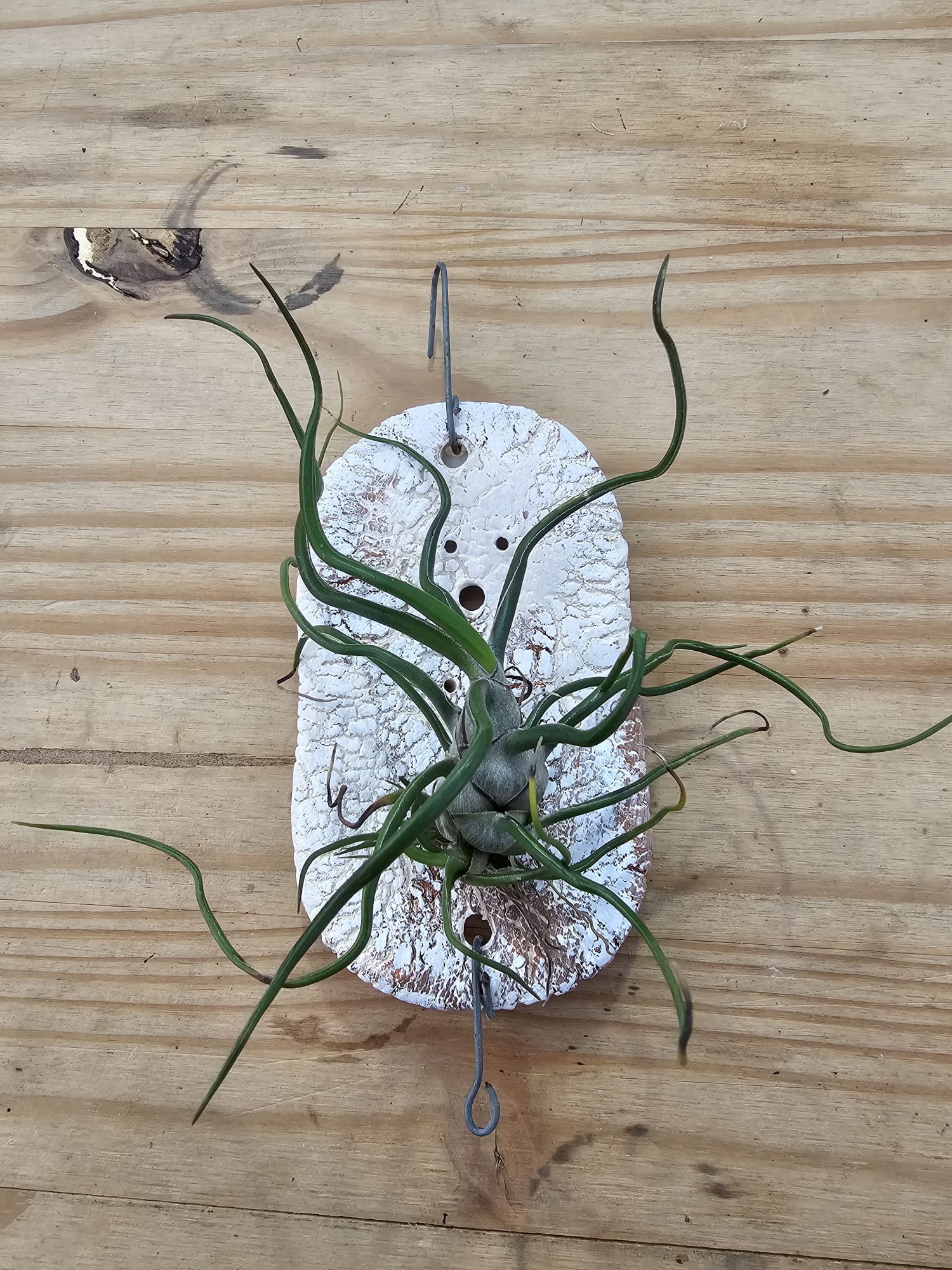
Tillandsia bulbosa€10.00

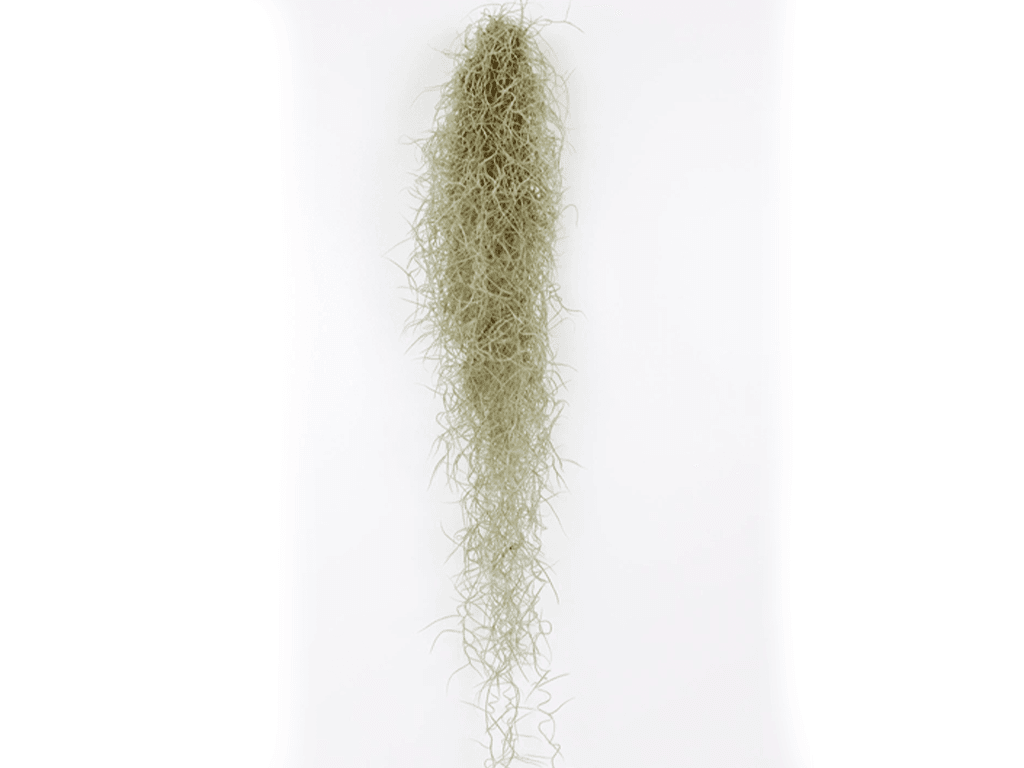
The Tillandsia usneoides, known worldwide as Spanish Moss or Old Man's Beard, is one of the most extraordinary and versatile air plants in the plant kingdom. Although it is popularly called a moss, this species actually belongs to the bromeliad family (Bromeliaceae). Native to the tropical and subtropical regions of the Americas, Tillandsia usneoides stands out for having no roots to absorb nutrients, growing suspended from cork, branches or decorative supports in an extremely elegant way.
Indeed, its silvery, lacy appearance lends a unique touch of sophistication to any space, and it is widely used in landscaping projects, vertical gardens and bright interior decor. By growing Tillandsia usneoides, you will have a simple-care, highly adaptable plant, perfect for anyone who wants to create tropical settings without the need for traditional pots or substrates.
To keep your Tillandsia usneoides lush and silvery, it is essential to provide the right conditions of light, ventilation and misting. Below, we detail all the steps you need for success.
Tillandsia usneoides enjoys plenty of bright, indirect light. It thrives near well-lit windows or in porches and greenhouses with 40% to 50% shading. Avoid direct sunlight during the middle of the day in the summer months, as intense radiation can dehydrate the fine stems. When grown with adequate lighting, the silvery colour of the leaves becomes considerably more intense.
This air-dwelling bromeliad adapts very well to temperate to warm climates, preferring temperatures between 15°C and 30°C. Continuous ventilation is the most critical factor in growing Tillandsia usneoides: air must circulate freely around every side of the plant so that it dries completely a few hours after watering, preventing internal rot.
As it has no roots in a substrate, Tillandsia usneoides should be watered by generous misting or by soaking. Mist the plant 2 to 3 times a week in summer, or soak it in room-temperature water for 10 to 15 minutes. In winter, reduce the frequency to once a week. After watering, gently shake the plant to remove any excess water trapped inside the bunch.
Remember that Tillandsia usneoides should not be planted in pots with soil. The best way to display it is hanging from stainless steel hooks, tied to natural cork plaques or solid wood, or simply suspended from mesh or plastic-coated wire supports.
Although it is a very economical plant in terms of nutrients, regular application of foliar fertiliser helps to speed up the growth of the strands and keep the plant dense. Use a fertiliser specific to air plants or orchids, diluted in water and misted on every two weeks during spring and summer. To choose the best nutrition formulas for your orchid collection, see our range of fertilisers for orchids and epiphytic plants, where you will find ideal soluble formulas such as Peters 20-20-20 or NPK 10-30-20 maintenance formulas.
To learn more about the botanical classification of Tillandsias and exotic bromeliads, you can consult the records of the Bromeliad Society International (BSI), the global authority on the conservation of these species.
Add Tillandsia usneoides to your home or greenhouse and transform the decor of your space with a true work of art from nature!
muito satisfeitaNews from our greenhouse in Fernão Ferro, for people who grow with passion.
By subscribing, you accept our Privacy policy. You can unsubscribe at any time.