Vanda coerulescens: The Charming Celestial Orchid for Collectors
Description:
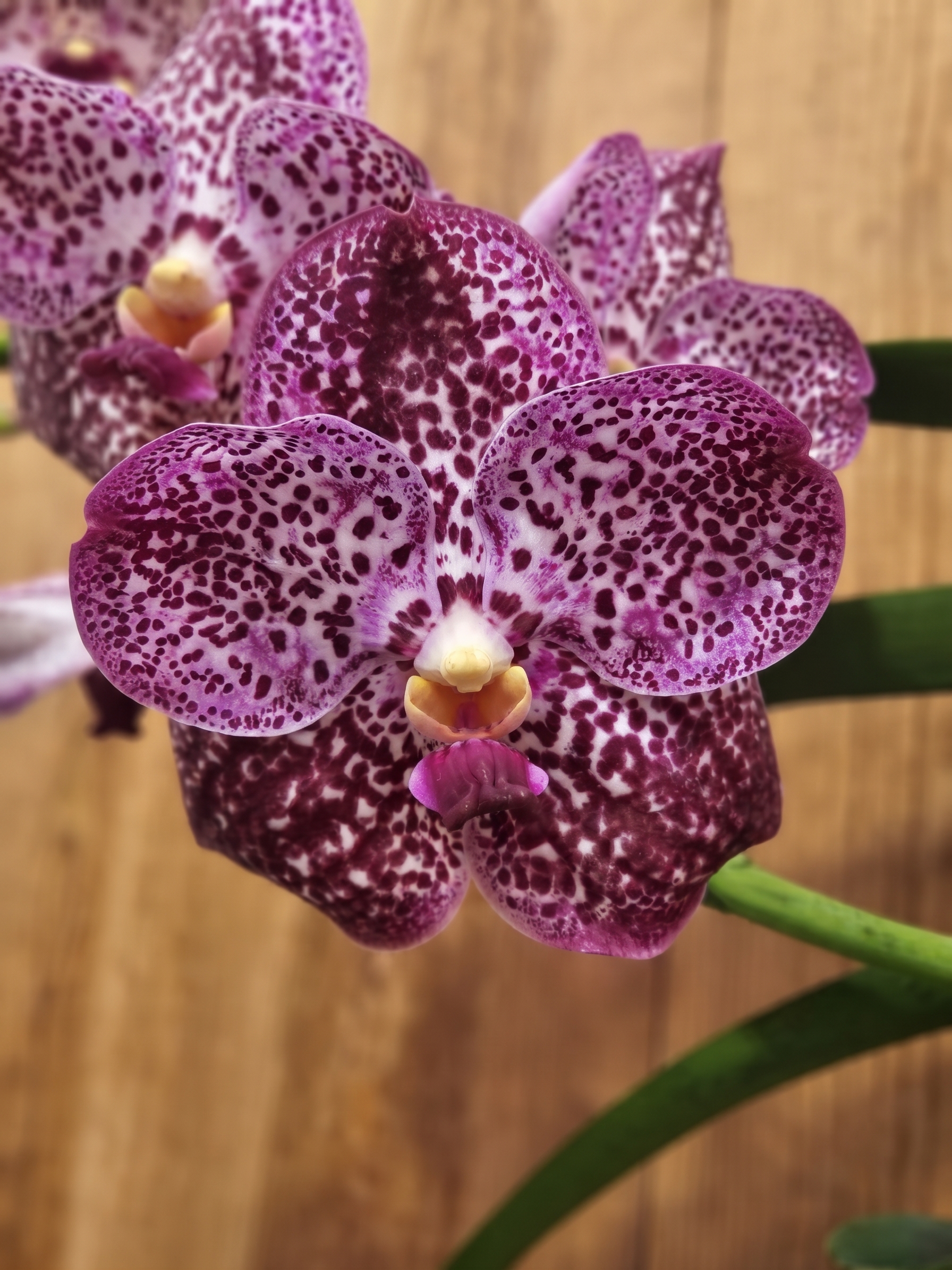
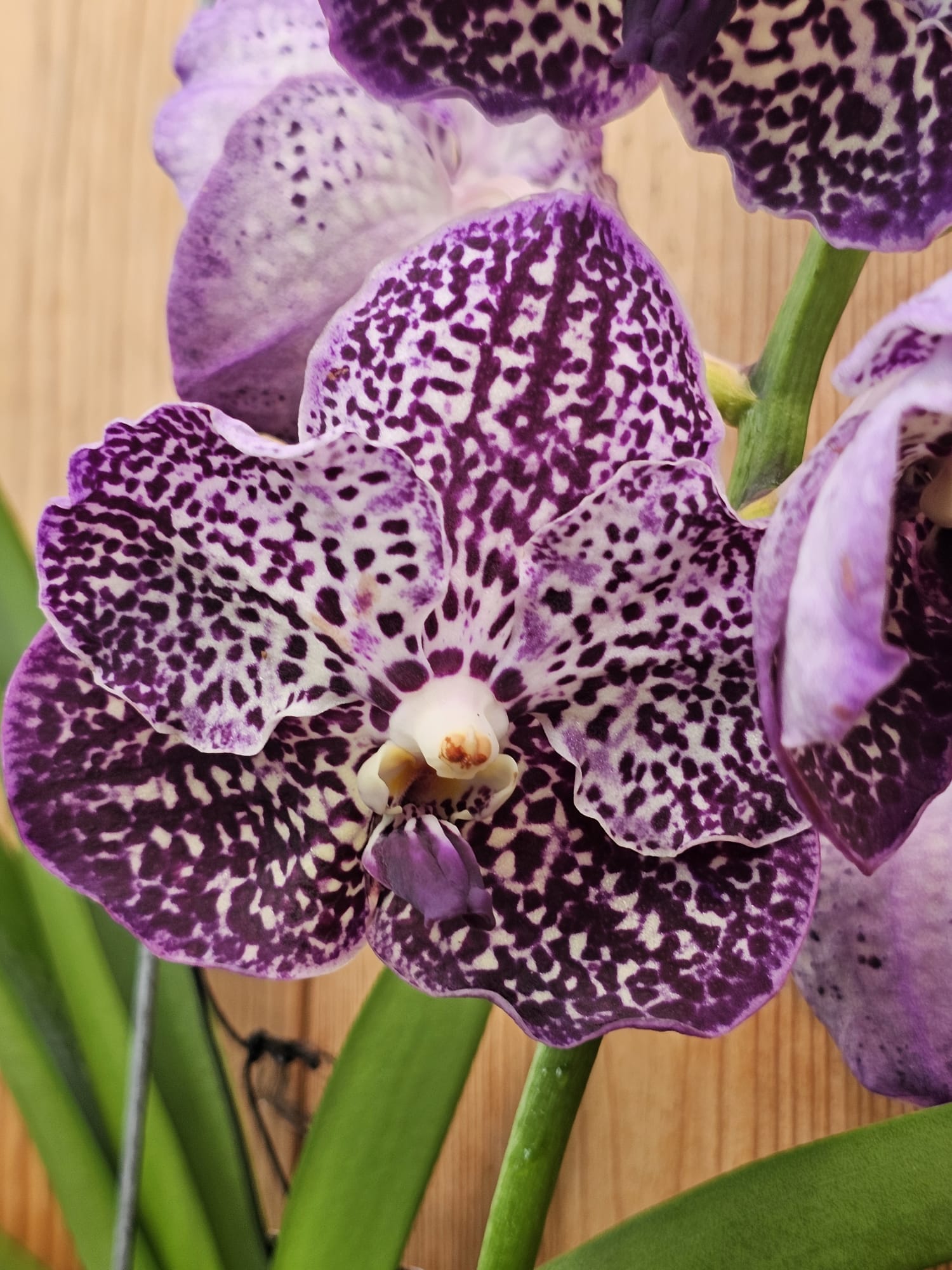
The Vanda coerulescens, also known as the Sky Vanda, is a stunning epiphytic orchid native to the Himalayan region, India, South-East Asia and China. Prized for its delicate, fragrant heavenly blue flowers, this rare and exotic orchid is a treasure for experienced collectors.
Features:
- Size: Small to medium in size, with mature plants reaching an average of 30 to 60 cm in height.
- Light: Intense filtered sunlight. Needs plenty of light, but avoid direct sun during the hottest hours of the day.
- Temperature: Wide temperature range, from mild (15°C) to warm (28°C). Prefers mild night-time temperatures.
- Humidity: High humidity (between 60% and 80%).
- Watering: Water moderately when the substrate is nearly dry. Ensure good drainage to prevent root rot.
- Feeding: Use an orchid-specific fertiliser diluted every two weeks during the growing season (spring and summer).
- Flowering: Flowers in late winter and spring, producing upright or pendent inflorescences with several fragrant blue flowers.
Care:
- The Vanda coerulescens needs a pot with wide holes to ensure water drainage. Use well-aerated substrates, such as coarse pine bark, charcoal or coconut fibre mounts.
- Provide intense filtered sunlight in well-lit spaces. Sheltered balconies, conservatories or spots near windows with adequate light are ideal.
- Water according to the plant's needs, monitoring the substrate. Avoid waterlogging and allow partial drying between waterings.
- High humidity is crucial for this orchid. Use humidifiers, humidity trays or group plants together to raise the humidity of the environment.
- Feed during the growing season to encourage abundant flowering.
Tips:
- The Vanda coerulescens is recommended for growers with experience of orchids due to its specific light, humidity and temperature needs.
- Mounting on boards is a suitable growing method for this species, as it allows good air circulation around the roots.
- Provide support for the flower spikes if necessary, to stop them bending under the weight of the flowers.
- Watch for signs of pests or diseases such as mealybugs, aphids or leaf spots. Take corrective action as soon as you identify them.