Bulbophyllum
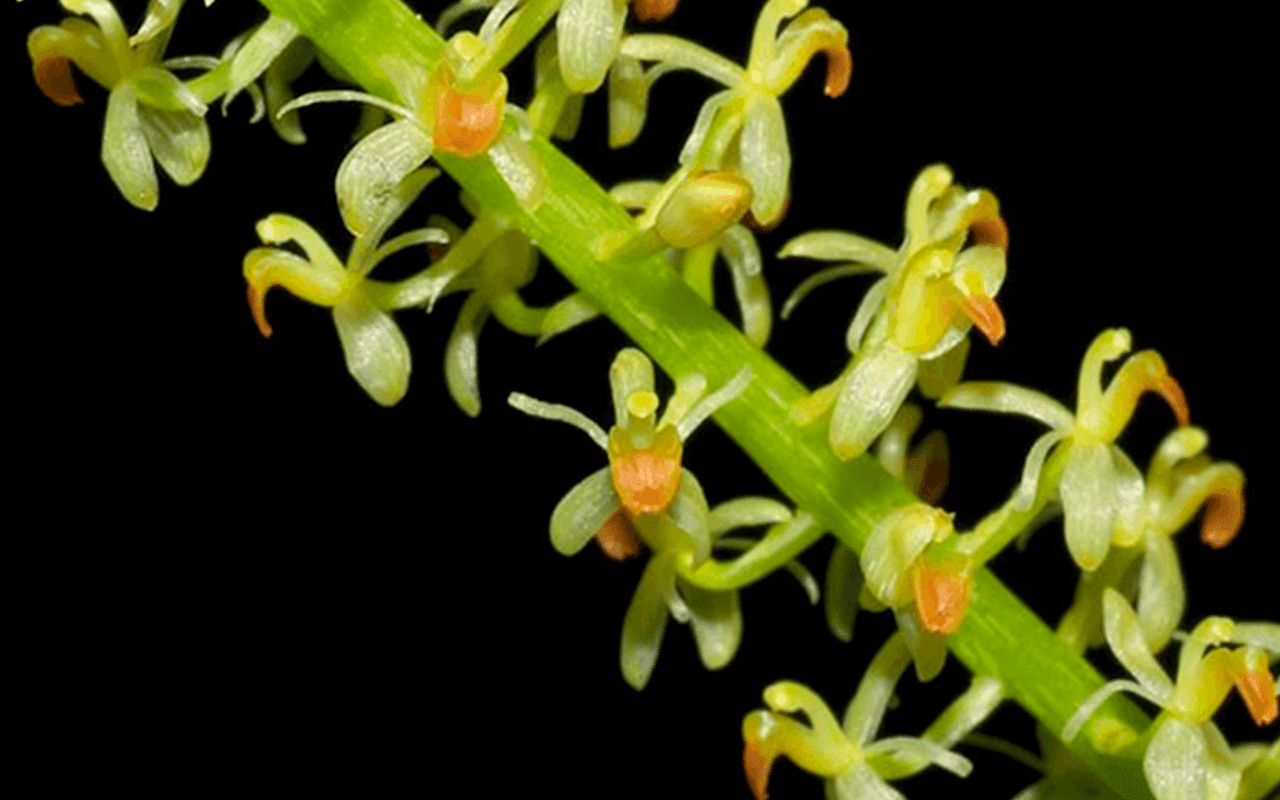
Bulbophyllum falcatum€22.00

Talk to us to find out when it is back, or let us suggest an alternative.
Fornecida sem substrato
Planta importada do Brasil de acordo com as normas fitosanitárias estabelecidas pela DGAV
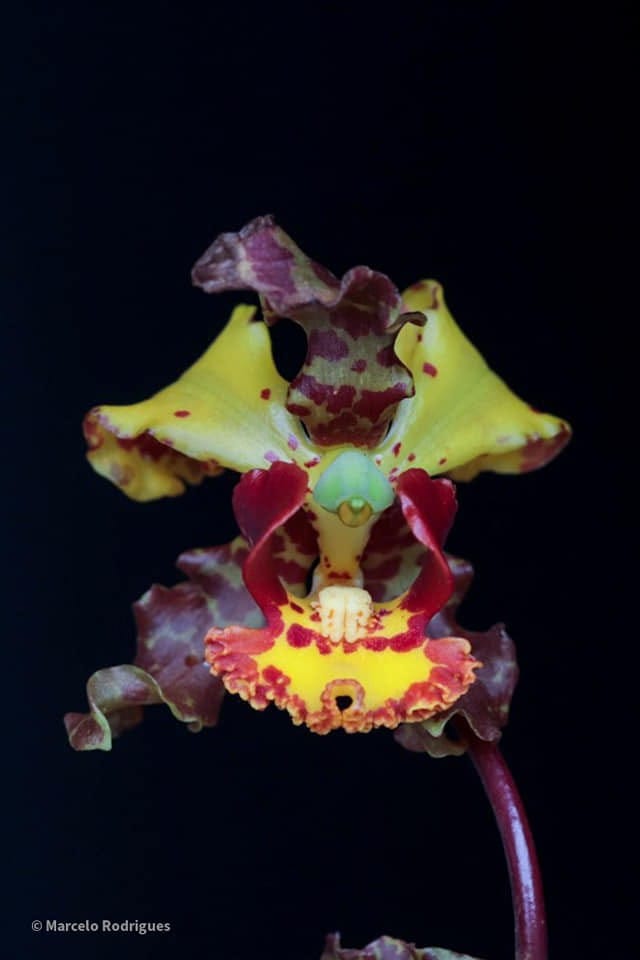
is a large plant, with substantial pseudobulbs and magnificent inflorescences laden with spectacular flowers.
Cyrtopodium is a genus of plants belonging to the family Orchidaceae, comprising just over 40 species. It was proposed in 1813 by the renowned Scottish botanist and physician Robert Brown (1773 – 1858).
Brown became noted as a plant collector in south-east Asia and Oceania. His most brilliant discoveries were in the lands now known as Australia, where he collected, between 1801 and 1805, close to 4000 plants, more than half of which were previously unknown. Unfortunately, for him and for science, much of his collection was lost when the ship Porpoise, which was carrying these plants to London, was wrecked midway through the voyage.
Central-western Brazil, as an epiphyte, on palm trees, sometimes on the trunk and at other times in the sheaths of the fronds.
It produces large pseudobulbs, over 60 cm, covered by tightly adhered sheaths, with 6 and, at times, more leaves.
Cyrtopodium saintlegerianum should be grown by aiming to reproduce, as closely as possible, the conditions prevailing in the Brazilian cerrado, where it originates: pots of shallow depth (or with drainage occupying 2/3 of the pot), with a very porous, uncompacted substrate.
It can be grown in full sun, provided there is good ventilation and air circulation.
Most suitable temperature Hot days, above 30 º in summer and below 20 º during the dry winter period, with a good drop in temperature at night.
It is adapted to the conditions of the cerrado, with a long dry period preceding the flowering season. Watering is normal, two or three times a week, but from July to September it should be reduced to once a week.
Fertilisers with an equal NPK ratio, with periodic additions of calcium and magnesium.
Apical inflorescence, more often with secondary stems. Produces hundreds of flowers when well grown, making a beautiful visual spectacle.
News from our greenhouse in Fernão Ferro, for people who grow with passion.
By subscribing, you accept our Privacy policy. You can unsubscribe at any time.